


Excavation methods are essential in plumbing projects where pipes need to be accessed or installed underground. In places like Clarksburg and Gaithersburg, MD, understanding the right excavation methods ensures safety and efficiency. From preserving landscaping to avoiding utility damage, the right approach can make all the difference. Choosing the proper excavation methods helps homeowners protect their property and plumbing investment.
Every plumbing project starts with knowing how to dig safely and strategically. Different methods suit different property types and plumbing needs. A professional plumber will evaluate soil, location, and pipe depth before choosing the technique. Whether it’s hand digging or using advanced machinery, each method has its place.
Safety is a major concern when working below ground. Striking a utility line or damaging a pipe can cause major setbacks. By using proven excavation methods, plumbing experts avoid risks and get the job done right. That’s why experience and local knowledge are so important in Maryland neighborhoods.
With help from Clarksburg Plumbing, homeowners can rest easy knowing their excavation is handled by experts. These pros combine modern tools with time-tested strategies. They understand what’s beneath your lawn and how to work around it. Trust in their experience ensures your system stays protected using the best excavation methods.
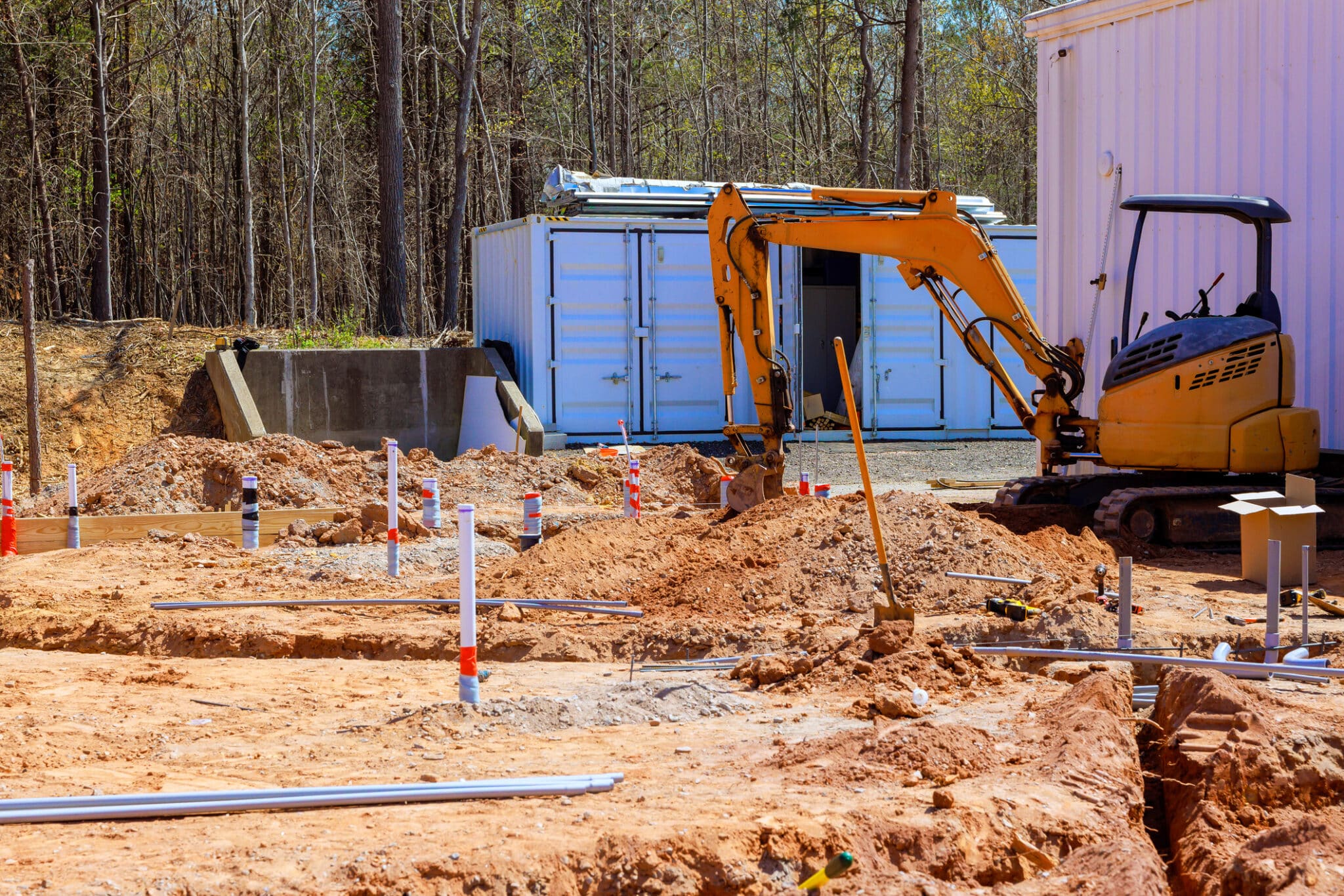
Traditional Trenching: Still a Reliable Option
Traditional trenching remains one of the most commonly used excavation methods for plumbing projects. It involves digging a continuous, open trench to expose the length of the pipe. This method works well when full pipe access is necessary, especially in straightforward layouts. Many homes in Clarksburg and Gaithersburg still benefit from this classic approach.
One major benefit of trenching is visibility, making it easier for plumbers to inspect and replace pipes. Workers can clearly see what they’re dealing with, which reduces guesswork. It’s especially helpful for repairing older, damaged plumbing lines. However, it does come with some drawbacks.
Trenching often disrupts landscaping, sidewalks, or driveways in residential neighborhoods. Property owners may need to invest in restoration afterward. The method also requires more labor and time compared to modern alternatives. That said, it remains reliable when pipe access is a priority.
Clarksburg Plumbing knows when traditional trenching is the best fit for your home. Their team carefully assesses the layout and potential impact. They minimize damage while delivering effective results. With the right crew, even classic excavation methods can be performed with modern care and precision.
Hydrovac Excavation: A Modern Safe Choice
Hydrovac excavation is a cutting-edge method that uses pressurized water and a vacuum system to dig with precision. It’s one of the safest excavation methods for plumbing projects, especially in utility-dense areas like Gaithersburg, MD. This technique reduces the risk of damaging buried lines or nearby infrastructure. It’s ideal when accuracy and protection are top priorities.
The process starts by spraying high-pressure water to loosen soil. A powerful vacuum then removes the slurry, leaving a clean, precise hole. This method limits ground disruption and works well in tight spaces. It’s especially useful around trees, foundations, or existing utilities.
Hydrovac equipment can access hard-to-reach areas without large machinery. It also performs well in winter when frozen soil makes traditional digging harder. Because it’s non-mechanical, there’s a lower chance of striking hidden pipes. The result is a cleaner, safer worksite every time.
In Clarksburg and Gaithersburg, hydrovac is gaining popularity for residential and commercial plumbing projects. It combines efficiency with a strong safety record. Local terrain and infrastructure demand smarter excavation strategies. Hydrovac offers a dependable solution for those needs.
Mini Excavators for Targeted Plumbing Repairs
Mini excavators are compact machines designed for digging in tight or confined areas. They’re a popular choice for residential plumbing projects in Clarksburg and Gaithersburg, MD. When full-size equipment can’t access a site, mini excavators offer the perfect balance of power and precision. These machines help plumbers minimize surface disruption while reaching the necessary depth.
Because of their small size, mini excavators can maneuver around fences, trees, and narrow yard spaces. They’re ideal for digging short trenches or accessing localized pipe issues. With attachments like buckets and augers, they adapt to various soil types. That versatility makes them useful across many property layouts.
Compared to manual digging, mini excavators save significant time and effort. They provide a cleaner excavation with less backfilling required. Property damage is limited, and cleanup is simpler than with larger machinery. This makes them ideal for quick plumbing repairs or upgrades.
Mini excavators support efficient, targeted work without overwhelming a property. Whether the project involves water lines or drainage issues, they offer control and reliability. Their use continues to grow in suburban areas where space is at a premium. For many homes, they strike the right balance between minimal impact and maximum efficiency.
Hand Digging for Delicate Plumbing Zones
Hand digging remains a vital method in plumbing, especially in areas requiring extreme caution. It’s often used near foundation walls, tight corners, or sensitive underground systems. In both Clarksburg and Gaithersburg, MD, many older homes present unique excavation challenges. Manual digging offers precision that machines simply can’t match.
This method allows for controlled soil removal around pipes, preventing accidental damage. It’s also useful when working close to gas lines, electric cables, or landscaping features. Though slower than mechanical options, the added safety can be worth the time. It’s the go-to choice when accuracy outweighs speed.
Hand digging proves helpful during inspections or small pipe repairs. When space is too limited for equipment, it’s the only safe option. It also eliminates the noise and vibration caused by machinery. This makes it less disruptive for both homeowners and neighbors.
Even in today’s tech-driven world, hand digging plays a key role in responsible excavation. Its simplicity ensures a steady, cautious approach where it matters most. Many plumbers rely on this method for final adjustments or tricky access points. It continues to be one of the most dependable excavation methods available.
Trenchless Technology: Minimal Impact, Maximum Efficiency
Trenchless excavation methods have revolutionized how plumbing systems are repaired and replaced. These techniques allow work to be done underground without digging long, open trenches. Homeowners in Clarksburg and Gaithersburg, MD, benefit from preserved landscapes and faster service times. It’s a modern solution for minimizing disruption while addressing serious pipe issues.
Two common trenchless techniques include pipe bursting and slip lining. Pipe bursting breaks apart the old pipe while pulling in a new one. Slip lining involves inserting a smaller pipe into the damaged one to restore flow. Both methods require only small access points at either end of the repair area.
These techniques are ideal for sewer line replacement beneath driveways, patios, or mature trees. They eliminate the need for large-scale excavation and property restoration. The result is less mess, fewer repairs, and lower stress for homeowners. Trenchless methods are also quicker, often completing in a single day.
Trenchless technology works best in homes with stable soil and clear access points. It’s not suitable for every situation but offers huge advantages where applicable. More plumbing pros are recommending it for long-term efficiency. In many Maryland neighborhoods, it’s becoming the go-to option for underground repairs.
Understanding Soil Types and Their Role
Soil type plays a crucial role in selecting the right excavation methods for plumbing projects. In Clarksburg and Gaithersburg, MD, properties often feature a mix of clay, loam, and rocky soil. Each type affects digging difficulty, equipment choice, and overall project safety. Ignoring these factors can lead to costly mistakes and delays.
Clay-heavy soil, common in parts of Maryland, holds moisture and can be difficult to excavate cleanly. Sandy soils, while easier to dig, may collapse without proper shoring. Rocky terrain requires specialized tools or manual effort to avoid damaging equipment. Every soil type presents unique challenges that demand proper planning.
Clarksburg Plumbing conducts thorough soil assessments before starting any excavation work. This helps their team choose the safest and most efficient digging approach. By matching the method to the ground conditions, they reduce risks and improve outcomes. Their experience with local terrain makes them a reliable choice for area homeowners.
Choosing the right excavation method starts from the ground up, literally. Understanding soil behavior prevents unnecessary damage to pipes and property. With the right knowledge, even difficult soil becomes manageable. Trusting a team like Clarksburg Plumbing ensures that excavation is done right the first time.
Utility Locating and Permits Before You Dig
Before starting any excavation project, locating underground utilities is absolutely essential. In Clarksburg and Gaithersburg, MD, buried lines for gas, electricity, water, and internet are often close together. Digging without checking first can result in dangerous, costly accidents. That’s why utility location is one of the first steps in any professional plumbing excavation.
Utility markers help identify safe digging zones and highlight areas that need extra caution. Proper mapping prevents accidental damage to underground systems. It also supports efficient planning for the excavation method chosen. Avoiding disruptions is always better than dealing with the aftermath.
Equally important is obtaining the right permits before excavation begins. Local regulations often require approvals for digging near streets, sidewalks, or public utilities. These rules ensure safety, maintain infrastructure integrity, and guide contractors through proper processes. Skipping permits can lead to project delays or penalties.
Professionals like Clarksburg Plumbing rely on these safeguards to ensure everything goes according to plan. In cities like Clarksburg and Gaithersburg, that preparation makes all the difference. Their understanding of local rules and underground layouts ensures safe, compliant service. That level of care sets experienced teams apart.
Shoring and Shielding for Safety
Excavation safety goes beyond choosing the right tools, it involves protecting workers and surrounding structures from soil collapse. In deeper plumbing trenches, especially in Clarksburg and Gaithersburg, MD, shoring and shielding systems are vital. These safety measures prevent cave-ins and ensure a stable work environment. Without them, both crews and property face serious risk.
Shoring involves using supports like hydraulic jacks or timber to hold trench walls in place. Shielding uses metal trench boxes to protect workers from falling soil. Both methods are common in deeper or longer-duration excavations. They provide structural support and maintain trench integrity throughout the job.
Clarksburg Plumbing strictly follows trench safety regulations on every excavation project. Their team uses appropriate shoring or shielding based on trench depth and soil type. This attention to safety protects their workers and preserves the surrounding property. Clients can trust their projects are completed with care and compliance.
Safe excavation is not just good practice, it’s the law. Federal and Maryland regulations require protective systems for trenches over certain depths. Clarksburg Plumbing ensures full compliance on every site. Their expertise helps keep projects on track and incident-free.
Excavation for Sewer Line Replacement
Sewer line replacement often requires more complex excavation methods than other plumbing jobs. In cities like Clarksburg and Gaithersburg, MD, older homes may have deep, aging sewer systems that need careful handling. These projects typically involve deeper digging, larger trenches, and thorough soil management. Choosing the right excavation strategy is essential for long-term system health.
Root intrusion, soil shifting, or pipe corrosion can all lead to sewer failure. Excavation helps access and replace damaged lines with stronger, modern piping. Depending on the layout, methods like trenching, hydrovac, or trenchless repair may be used. The goal is always to limit disruption while resolving serious plumbing issues.
Because sewer lines often run under driveways, gardens, or patios, precision matters. A well-planned dig minimizes property damage and speeds up recovery. Excavation teams must also handle wastewater safely during the project. Proper handling keeps homes safe and prevents environmental concerns.
Clarksburg Plumbing has experience managing complex sewer excavations in Maryland neighborhoods. Their team evaluates each site to determine the best method for the situation. They work efficiently to restore function while protecting property and safety. For sewer line projects, their expertise ensures the job gets done right the first time.
Backfilling and Site Restoration After Digging
Once the plumbing work is complete, the next step is backfilling the trench and restoring the site. In Clarksburg and Gaithersburg, MD, proper backfilling ensures ground stability and prevents future sinking. The process involves layering soil, compacting it correctly, and ensuring drainage flows away from the foundation. It’s just as important as the excavation itself.
Using the right backfill material is crucial to long-term success. Soil removed earlier is often reused, but sometimes gravel or sand is added for better support. Each layer is compacted to avoid air pockets and future settling. This prevents dips or uneven spots in yards, driveways, or sidewalks.
Restoration also includes replacing grass, concrete, or landscaping affected by the dig. Some sites may need sod, seed, or concrete patching for a clean finish. Attention to detail during this step helps maintain the home’s curb appeal. It shows that quality matters from start to finish.
Clarksburg Plumbing takes care to restore properties after every excavation. Their crews ensure everything is stable, safe, and looks just the way it should. They don’t just dig and fix pipes, they clean up and leave your home looking cared for. That commitment makes all the difference in customer satisfaction.

Choosing the Right Excavation Method with Clarksburg Plumbing
Selecting the right excavation method can make or break a plumbing project. From Clarksburg to Gaithersburg, MD, property conditions vary, and so should the approach to digging. Factors like soil type, pipe depth, and surface materials all influence the decision. That’s why experience and local knowledge are so valuable.
Clarksburg Plumbing offers a range of excavation methods tailored to each property’s needs. Their team evaluates every situation to find the safest, most efficient solution. Whether it’s trenching, hydrovac, or trenchless technology, they use what works best for the job. Their focus is on minimizing disruption while ensuring lasting results.
Homeowners gain peace of mind when they work with a team that understands the full picture. It’s not just about digging, it’s about protecting pipes, landscaping, and safety. From the first shovel to the final cleanup, each step is handled with care. That kind of service builds trust with every job.
With Clarksburg Plumbing, you get more than just plumbing, you get skilled excavation backed by local experience. They know the terrain, the regulations, and the best practices that keep your system running strong. When it comes to excavation methods, their expertise helps keep your home protected and your plumbing performing at its best.
Frequently Asked Questions
What are the most common excavation methods for plumbing?
The most common excavation methods include trenching, hand digging, hydrovac excavation, mini excavators, and trenchless technology. Each method serves different needs based on location, soil, and pipe depth.
How do I know which excavation method is right for my property?
A plumbing professional will assess your soil type, pipe layout, and property features to determine the best method. In areas like Clarksburg and Gaithersburg, MD, local terrain often guides the decision.
Is trenchless excavation always better than traditional digging?
Not always. Trenchless methods are less invasive but depend on pipe condition and site access. Some situations still require open trenching or manual digging.
Will my yard be damaged during excavation?
Some surface disruption is normal, but careful planning and skilled execution minimize damage. Professionals restore the site with proper backfilling and cleanup after the job.
Why is utility locating so important before digging?
Locating underground utilities prevents accidental damage to gas, electric, or water lines. It’s a safety requirement and ensures the excavation proceeds without costly or dangerous setbacks.
For expert excavation solutions, contact Clarksburg Plumbing. Their team ensures safe, efficient plumbing service with the right method for your property.