
Water Heaters · Clarksburg, MD
Water Heater Repair & Replacement
Hot water, when you need it.
Nobody wants a cold shower. Your tank water heater is the quiet workhorse of the house, and when it starts running cold, rusty, or noisy, it is telling you something. We repair, replace, and install gas and electric tank water heaters across Clarksburg, Germantown, Gaithersburg, and Montgomery County, fast, so your home gets its hot water back. Searching for water heater repair near me? You found your local crew.
Gas & electricSame day availableLicensed & insured
Book OnlineCall Now
Hot water back
Often same day The basics
How a tank water heater works
A standard tank water heater, also called a hot water heater, stores 40 to 75 gallons of water and keeps it hot and ready. Cold water enters through a dip tube to the bottom of the tank, where a gas burner or electric elements heat it. A thermostat holds your set temperature, and hot water is drawn off the top as you use it. Inside, a sacrificial anode rod protects the steel tank from rust, and a temperature and pressure relief valve keeps things safe. When any of these parts wear out, you feel it as cold water, rusty water, or strange noises. The good news is most of it is repairable, and when it is not, a clean replacement is quick.
What we do
Water heater services
Repair, replacement, installation, and the maintenance that makes a tank last.
Water Heater Repair
No hot water, leaks, pilot or igniter trouble, bad thermostats, heating elements, and gas valves diagnosed and fixed.
Water Heater Replacement
Old, leaking, or undersized tank? We haul off the old unit and install a right sized replacement, code compliant, the same day in most cases.
New Installation
Adding a unit, finishing a basement, or upgrading capacity. We size it correctly and install it to last.
Gas & Electric
We service and install both gas and electric tank water heaters from the brands we trust, and help you pick the right fit.
Anode Rod & T&P Valve
Replacing a spent anode rod can add years to your tank. We also test and replace temperature and pressure relief valves for safety.
Tank Flush & Maintenance
Annual flushing clears the sediment that Maryland hard water leaves behind, restoring efficiency and protecting the tank.
How it works
From cold water in to hot water out
Four things happen inside the tank every time you turn on the hot tap.
1
Cold water in
Fresh water enters through a dip tube and fills the bottom of the tank.
2
Burner or element heats
A gas burner below or electric elements inside warm the water to your setting.
3
Thermostat holds temp
The thermostat cycles the heat to keep a full tank of hot water ready to go.
4
Hot water out
Hot water rises and is drawn off the top to your showers, sinks, and appliances.
Catch it early
Signs your water heater is failing
Spot these early and a repair is often all you need. Ignore them and you risk a cold morning or a flooded floor.
No hot water, or not enough
A failed element, burner, thermostat, or pilot, or simply a tank too small for your household.
Rusty or smelly water
Brown water or a rotten egg smell usually points to a spent anode rod or sediment in the tank.
Rumbling or popping noises
Sediment hardened on the bottom makes the tank work harder and bang as it heats.
Water pooling at the base
A leaking tank rarely gets better. This is the clearest sign it is time to replace before it bursts.
Slower reheat or higher bills
Sediment and aging parts make the heater run longer and cost more to do the same job.
Eight or more years old
Tank heaters typically last 8 to 12 years. Past that, plan a replacement before it fails on you.
Spot any of these? Don't wait for a cold morning.
Book OnlineCall (301) 972 2223
Know your options
Gas, electric, and the right size
We help you weigh fuel type and capacity so you are not paying for more than you need, or running out mid shower.
Gas Tank
Heats quickly and recovers fast between uses, often cheaper to run where natural gas is available. Needs proper venting, which we handle.
Electric Tank
Simple, no venting required, and a great fit for homes without a gas line. Recovery is a little slower, so sizing matters more.
Right Sizing
A 40 gallon tank suits smaller homes, 50 gallons fits most families, and 75 gallons covers big households. We size to your real use.
Curious about going tankless for endless hot water and lower bills? Ask us about a tankless upgrade when we visit.
Built for Maryland homes
Hard water is hard on tanks
Much of Montgomery and Frederick County runs hard water, which leaves mineral sediment in the bottom of your tank. That sediment is the number one reason heaters get noisy, lose efficiency, and fail early. A yearly flush and a healthy anode rod are the simplest way to get the full life out of yours.
- Flush the tank once a year to clear sediment
- Check the anode rod every few years and replace when spent
- Test the temperature and pressure relief valve for safety
- Consider whole house filtration to slow sediment buildup
Annual peace of mind
Add it to a membership
Our membership includes an annual water heater flush and inspection, so small issues get caught before they leave you with a cold shower.
The people in your home
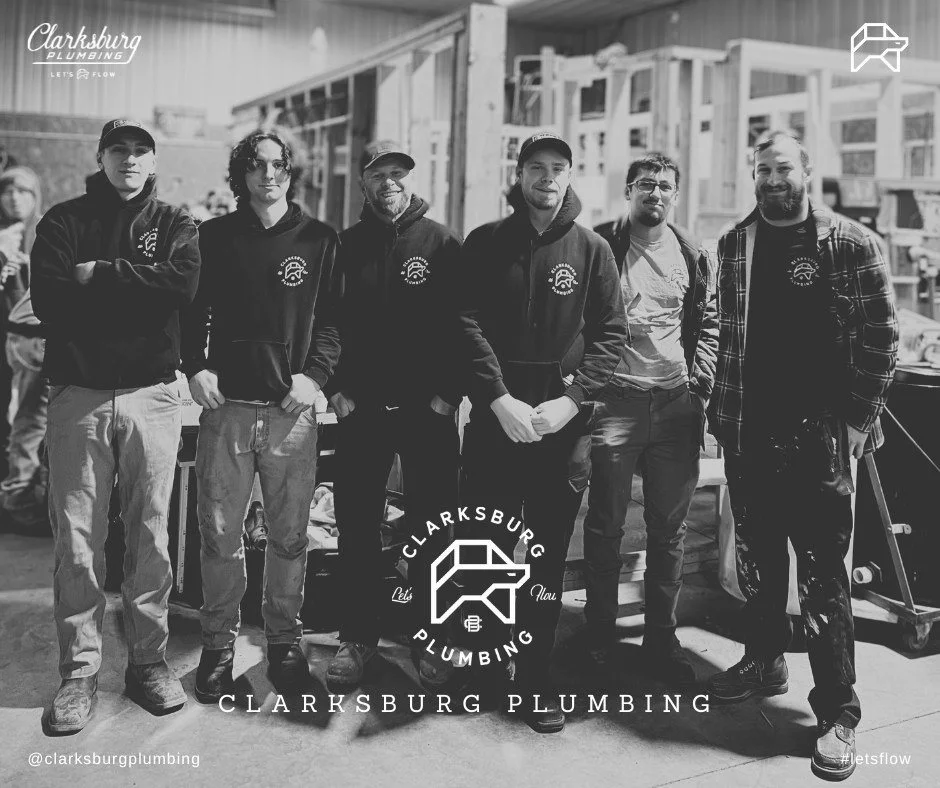
A crew you are glad to let in
Every technician is part of our own trained, background checked team, not a subcontractor. We show up on time, explain your options honestly, and leave the space clean, even on a same day swap.
From our neighbors
What your neighbors say
 Rating

S D.
July 16, 2026
Highly recommend Clarksburg Plumbing! They accommodated my schedule right away. John and Maddie were amazing!! They took care of my pipe repair quickly and efficiently! 10/10 recommend!

Jim C.
July 16, 2026
John and Maddie were the ultimate professionals. Came on time. Clear estimate. Excellent work fixing my pressure relief valve, which had been improperly installed by another plumber. Clarksburg are my go to plumbers from now on.

Ruth T.
July 15, 2026
Arrived on time, explained entire process, had plan a,b,c, in place, Did the best job I could ask for, and even show me the hole in my main line in the pipe. Highly recommend this company for all your plumbing needs.

Pamela B.
July 15, 2026
Absolute best plumbers I have ever used. Needed them a few times recently and each time they were so professional, kind and resolved each problem the first time around. This last issue took them several hours to fix. They explained everything along the way and gave a very fair price for a lot of work. They also work very cleanly! I will never use another plumber!

Al B.
July 9, 2026
I had Seth come out to change my outdoor spiked. He was in and out in no time and did a great job!

Duh S.
July 7, 2026
Called yesterday, they came today, had a clogged kitchen sink. The service was quick and Professional. Great job!

Praneeth M.
July 7, 2026
Garrett did a fantastic job snaking our clogged drain. He was incredibly professional, efficient, and made sure everything was completely clean before he left.

Andrea B.
July 7, 2026
I needed a water valve installed for my new fridge and a new faucet installed in upstairs bathroom. Seth was amazing. He came out and really listened to me and my concerns. We even called the company that was going to deliver my new fridge so he would have a better understanding of what he needed to do his job. It made me feel at ease with the whole process. He is even coming back later in the week to install new fridge once it’s delivered. I will absolutely call them again.

Shariq S.
July 6, 2026
Seth was great explaining the descaling process and performing it with precision.

Sarah R.
July 1, 2026
Seth replaced our hose bib in the front yard and did a great job! It was hot out but he still took the time to make sure everything was good to go. I called Clarksburg Plumbing yesterday and they were able to come out next day. Very professional.

B H.
June 30, 2026
Seth and his partner were very professional and did an awesome job fixing the main water valve. I highly recommend them.

CandP H.
June 29, 2026
Amazing experience with Clarksburg Plumbing LLC! Our well pump needed replacement. Seth showed up right on time, was very professional, knew what he was doing and pricing was fare (they showed me all estimates upfront and explained everything). Any future plumbing needs and Clarksburg Plumbing will be my first call. I’ll also ask for Seth by name if I can get him!!

Sarah B.
June 26, 2026
We had a pinhole leak suddenly appear in our outdoor hose bib, and Clarksburg Plumbing was able to provide next-day service, which we really appreciated. Our technician, John Brown, arrived right on time after giving us a 30-minute courtesy call. John quickly diagnosed the problem, explained everything clearly, and provided an accurate assessment of what needed to be done. He completed the repair in under two hours, and the quality of his work was excellent. Before leaving, he even took the time to share some helpful tips on how to prevent similar issues in the future. John was friendly, professional, knowledgeable, and efficient from start to finish. We couldn’t have asked for a better service experience. I highly recommend Clarksburg Plumbing and especially John Brown for anyone needing reliable, high-quality plumbing work.

Neil D.
June 26, 2026
Great experience. Team arrived on time and were efficient. Seth explained everything with even gave me some tips and pointers to look out for moving forward. David made sure everything was cleaned up before they left.


Eliot C.
June 12, 2026
Clarksburg Plumbing installed an external bib; after a couple of months there was a mechanical failure in the vacuum breaker. They responded within 24 hours, fixed it, no charge. Seth was prompt, courteous and efficient. We will be happy to use their services again.

Joseph A.
June 10, 2026
Franklin and Cris — great job and great guys. Everything went smoothly with water line replacement. A tough job. Thanks for your hard work. Clarksburg Plumbing is the best!


Joshua R.
June 5, 2026
Cris and Franklin from Clarksburg Plumbing did incredible work at our home fixing an underground water service leak. They encountered complications but went to plan B efficiently and skillfully and got the job done well and in a timely manner. They also answered all our questions patiently and taught us a lot of why they made the decisions they made. We are very pleased with their work and plan to recommend them and all of Clarksburg Plumbing to our friends and neighbors.

David N.
June 2, 2026
Franklin and Cris were especially helpful, informative and instructive. The rest of the instructive, polite and professional. Overall a good experience for me and my wife.

Stephen C.
May 17, 2026
We had a clog in our septic line. The Clarksburg Plumbing crew located the troublesome area using a camera and then removed the clog and tested the line. They then remounted the toilet with a new wax ring and cleaned the area. Overall, a great experience!

Tom W.
May 7, 2026
Seth did a great job today 5/7/2026 installing a new toilet for us. Second time he has helped us through Clarksburg Plumbing. Ask for him by name and you won’t be disappointed!! Thanks Seth!


peter D.
April 30, 2026
These guys are diligent, courteous and did a great job! They were friendly, helpful and thorough - I'd recommend Clarksburg plumbing any day of the week and twice on Sundays

Seth K.
April 28, 2026
Seth was absolutely amazing! He was very courteous and knowledgeable about his profession. He arrived on time and worked the entire time. He kept me in the loop the entire way as to what he was doing. He diagnosed two leaks within our toilet system and readily fixed them. Clarksburg Plumbing should be honored to have such an amazing employee as him.

Jethro L.
April 28, 2026
Seth from Clarksburg Plumbing performed a thorough check of all our household plumbing and tested our water pressure and hardness. He was intelligent, patient, and pleasant to work with!

Alvin B.
April 27, 2026
Had a great experience with Clarksburg plumbing. Franklin and Chris were excellent! They clearly explained every step of the process. They kept any mess to a minimum and cleaned up the work area extremely well after the job was done. The office also amended our invoice to remove a line item that was in our estimate, but didn’t need to be done after all. We are extremely happy with Clarksburg Plumbing from the estimate to completion!

Sam Z.
April 27, 2026
Was very Satisfied with Garret Kline work on our water heater at earth animal Riverstone. As I helped him he taught me a lot and showed me somethings here and there of industrial water heaters. My boss was very satisfied he got our plant back in production and overall very satisfied. Especially since we stayed together till almost 9:30pm installing everything. Very good tech and very professional with his job and for these reasons we are glad to say that any plumbing needs our company has we will be calling Garret for he is our go to plumber.

Matthew B.
April 23, 2026
Incredible experience. I called Clarksburg Plumbiing yesterday because of a broken garbage disposal, arrived this morning, and fixed it within an hour. John Brown was professional, informative, friendly, and skilled. Such a great experience that I signed up for the membership. Looking forward to working with Clarksburg Plumbing and John again on regular maintenance for the home. And I am comforted to know that I have John and his team available to me in case of emergencies. Thanks John !

Maggie N.
April 17, 2026
We contacted Clarksburg Plumbing to have the drain and faucet connected for our new powder room sink. Plumber and apprentice were on time. The drain pipe had to be replaced to connect to new sink location. The apprentice completed the work with instruction and supervision. I only gave four stars because they were onsite for approximately 30 minutes and charged us $641. They were professional, and cleaned up after themselves. I just felt like perhaps we should have gotten a second quote. it seemed expensive but I haven't had plumbing work done in several years.

Toni S.
April 17, 2026
Highly recommend Clarksburg Plumbing. Very professional, nice family business. I have used them for many different things over the years from leak detection to testing backflows, water heater replacements, pipe replacements, and each time has been a very positive and successful visit. Garrett is awesome, very thorough, very communicative, use them if you get a chance.

Sandra B.
April 16, 2026
Cris and Franklin was very polite and helpful. Cris explained everything about what they would be doing to find my water line. I would highly recommend Clarksburg Plumbing !!!

Brian F.
April 14, 2026
Garrett was fantastic, Troubleshooted the problem and knew in minutes what was wrong and how to fix it. Solved the problem answered all of my questions and was very professional.

Andrew F.
April 7, 2026
#1 call for the #2 pipe. Ben and his assistant promptly connected a new cast iron riser to my existing sewer lateral, keeping my project in progress. I’m doing my own plumbing in the bathroom and have pro tools and experience, but this tie-in was a job for a real pro and I’m glad I called them in. With a wife and 3 daughters, every day on our water system is a heavy flow day, and downtime needed to be minimized. As an engineer I ask lots of questions and he was patient and answered them. Bravo Zulu!


Rob P.
March 27, 2026
We had a sewage backup within three days of moving into our new home. We called Clarksburg, and Charlie came and did a great, thorough job. He explained everything he was doing, and even recommended a great water damage mitigation company. I will definitely be calling them back if we have another issue.

Brady R.
March 26, 2026
He came in and assessed the issues, told me wha needed to be done and then took care of the h jobs. He explained what he did. Very good experience.

Bill O.
March 23, 2026
Very knowledgeable and professional. Would definitely call for other issues in the future.

Steven B.
March 19, 2026
Tyler was very knowledgeable, courteous, and efficient completing work at our home


Sara P.
March 18, 2026
John Brown was very knowledgeable and kind. The work was completed quickly and the job site was left clean. He is also a Yo-Yo master, lol


Sisyphean F.
March 13, 2026
John Brown is a steller representative of Clarksburg Plumbing. He arrived on time. Solved a problem I've had for years by suggesting the right tool. No prior plumber ever thought of an alternate method to solve the issue. Polite, pleasant and professional. Give him a raise!

Jesse J.
March 13, 2026
Ben H. from the Clarksburg plumbing team did a great job. He flushed the tankless water heater and replaced the backflow without any issues. He was on time, very knowledgeable, and explained what he was doing. Really appreciate the good service.


Leonel A.
March 6, 2026
I called that morning, they had someone (Tyler) out that same morning. Mind you, this was for a routine job. Tyler arrived; listened to my long, drawn out explanation. He diagnosed it within minutes, explained the issue, how he would fix it, and got to work. He also let me explain an additional issue I was having but instead of charging me to fix it, advised me to take the issue to the company that has lifetime warranty. 10/10 would recommend and use again!
Good questions
Water heater FAQ
What homeowners ask us most about tank water heaters.
How long does a tank water heater last?
Most tank water heaters last 8 to 12 years. Hard water and skipped maintenance shorten that, while an annual flush and a fresh anode rod can stretch it. If yours is in that range, it is wise to plan ahead rather than wait for a cold morning.
Should I repair or replace my water heater?
If the tank is under about 8 years old and the issue is a part like a thermostat, element, igniter, or valve, repair is usually the smart call. If it is leaking from the tank, very old, or repairs are stacking up, replacement is the better value. We give you the honest math either way.
What size water heater do I need?
As a rough guide, a 40 gallon tank suits 1 to 2 people, 50 gallons fits most families of 3 to 4, and 75 gallons serves larger households or homes with big tubs. We size it to how you actually use hot water, not just square footage.
Why do I have no hot water or run out quickly?
Common causes are a failed heating element or thermostat on electric units, a pilot or burner problem on gas units, a tripped breaker, or sediment stealing capacity. If you run out fast, the tank may also be undersized for your household.
Why is my hot water rusty or smells like rotten eggs?
That is almost always the anode rod and sediment. The anode rod sacrifices itself to protect the tank, and when it is spent you get rusty water or a sulfur smell from bacteria reacting in the tank. Replacing the rod and flushing the tank usually clears it up.
Gas or electric, which is better?
Gas heats and recovers faster and often costs less to run where natural gas is available, but it needs proper venting. Electric is simpler, needs no venting, and fits homes without gas. We help you choose based on your home and your budget.
Do you install tankless water heaters too?
Yes. If you want endless hot water and lower standby energy use, we can walk you through a tankless upgrade and whether it makes sense for your home. Just ask when we visit.
Are you licensed, insured, and available for emergencies?
Yes. We are fully licensed and insured, every technician is background checked, and we are available 24/7 for plumbing emergencies across Clarksburg, Gaithersburg, Germantown, and the surrounding Montgomery and Frederick County area. Call 301 972 2223 any time.
No more cold showers
Get your hot water back.
Let's Flow.
Running cold, rusty, or noisy, or ready for a new unit? Book online or call and talk to a real neighbor. We are here 24/7 for emergencies and can often replace the same day.
Book OnlineCall (301) 972 2223