


In Frederick, MD, homeowners are increasingly aware of the challenges posed by pipe corrosion in their plumbing systems. This insidious problem can lead to a host of issues, from water discoloration to leaks, significantly impacting the quality and safety of household water. Understanding the best ways to prevent and tackle pipe corrosion is essential for maintaining a healthy, efficient home. Fortunately, there are effective strategies and solutions available that can protect your plumbing from the damaging effects of rust and corrosion.
Gaithersburg, MD, residents also face similar concerns with their plumbing systems. The key to preventing pipe corrosion lies in early detection and consistent maintenance. By identifying the early signs of rust and taking proactive steps, homeowners can significantly extend the lifespan of their pipes. It’s not just about fixing a problem, it’s about implementing a long-term solution that keeps your plumbing in top condition.
Selecting the right materials and employing proper installation techniques are crucial in the fight against pipe corrosion. Modern plumbing practices and materials offer superior resistance to corrosion, compared to older pipes made from metal that are more prone to rust. Homeowners should consider consulting with professionals who can provide insights and recommendations tailored to their home’s specific needs.
Clarksburg Plumbing, serving the Clarksburg, MD area, emphasizes the importance of regular inspections and maintenance. These practices are among the best ways to prevent pipe corrosion, ensuring your home’s plumbing system remains robust and reliable. By staying informed and proactive, Frederick homeowners can safeguard their homes against the detrimental effects of pipe corrosion, ensuring clean, safe water for years to come.
Understanding Pipe Corrosion in Frederick Homes
Understanding how to combat pipe corrosion requires a deep dive into the factors that contribute to this common problem in Frederick homes. Water quality plays a significant role, as high levels of minerals can accelerate the rusting process. Homeowners should consider having their water tested and, if necessary, install a water softener to reduce mineral content. This step can drastically decrease the likelihood of pipe corrosion, ensuring the longevity of your plumbing system.
Another effective strategy involves the use of corrosion inhibitors. These chemicals, when added to the water, form a protective layer on the inside of pipes, preventing direct contact with corrosive elements. It’s a simple yet powerful way to guard against rust and extend the life of your plumbing. Homeowners can seek advice from plumbing professionals, like those at Clarksburg Plumbing, to identify the best inhibitors for their specific situation.
Regular plumbing inspections also play a critical role in preventing pipe corrosion. By scheduling annual check-ups, homeowners can catch early signs of rust before they escalate into bigger problems. Professionals use specialized tools to inspect pipes from the inside, identifying issues that might not be visible to the naked eye. This proactive approach can save homeowners in Frederick and Gaithersburg from costly repairs down the line.
Finally, when it comes to new installations or replacing old pipes, choosing the right materials is crucial. Copper and PVC pipes offer superior resistance to corrosion compared to traditional metal pipes. Consulting with a knowledgeable plumber can help homeowners make informed decisions about which materials are best suited for their home’s specific needs. By taking these steps, Frederick residents can effectively protect their homes from the damaging effects of pipe corrosion.
The Role of Water Quality in Preventing Pipe Corrosion
Water quality in Frederick, MD, plays a pivotal role in the prevention of pipe corrosion. High mineral content, particularly calcium and magnesium, can accelerate the corrosion process, leading to the deterioration of pipes. Homeowners can combat this by installing water softening systems, which remove these minerals from the water. This not only helps in preserving the integrity of the plumbing but also enhances the overall quality of the water.
In Gaithersburg, MD, residents can further protect their plumbing by being vigilant about the pH levels of their water. Water that is too acidic or too alkaline can cause significant damage to pipes over time. By regularly testing water pH and adjusting it as necessary, homeowners can maintain a balance that minimizes the risk of pipe corrosion. This proactive measure is a simple yet effective way to extend the lifespan of plumbing systems.
Another aspect to consider is the temperature of the water flowing through pipes. Hot water can exacerbate pipe corrosion by accelerating chemical reactions. To mitigate this, setting your water heater to a moderate temperature can make a significant difference. This not only reduces the risk of corrosion but also conserves energy and lowers utility bills, offering a win-win solution for homeowners.
Lastly, the introduction of corrosion inhibitors into the water supply serves as a formidable defense against pipe corrosion. These inhibitors create a protective barrier on the inside of pipes, preventing harmful minerals and chemicals from causing damage. Homeowners interested in this solution should consult with plumbing professionals to identify the most suitable type of inhibitor for their home’s specific needs. By taking these steps, residents of Frederick and Gaithersburg can effectively safeguard their plumbing systems against the threat of corrosion.
Choosing the Right Materials to Combat Pipe Corrosion
Choosing the right materials is a key step in preventing pipe corrosion in homes. In Frederick, MD, homeowners are increasingly turning to copper and PEX pipes for their corrosion-resistant properties. These materials are less likely to succumb to the damaging effects of rust compared to traditional metal pipes. Consulting with experts like those at Clarksburg Plumbing can help you make the best choice for your home.
In Gaithersburg, MD, residents should also consider the role of pipe fittings and fixtures in combating pipe corrosion. Brass and stainless steel fittings offer superior resistance to corrosion and can significantly extend the life of your plumbing system. By selecting these materials, homeowners can avoid the pitfalls of mismatched metals that may accelerate corrosion.
Another important consideration is the use of protective coatings on pipes. These coatings can shield the metal from corrosive substances and water, further prolonging the lifespan of the plumbing system. Homeowners can discuss with professionals the most effective coatings available and how they can be applied to their existing pipes.
Lastly, embracing new technologies and materials is crucial in the fight against pipe corrosion. Innovations in plumbing, such as antimicrobial pipes and eco-friendly materials, offer promising solutions for reducing the risk of corrosion. Staying informed about these options and incorporating them into your home can provide long-term protection against pipe corrosion.
Installation Practices to Reduce Pipe Corrosion Risk
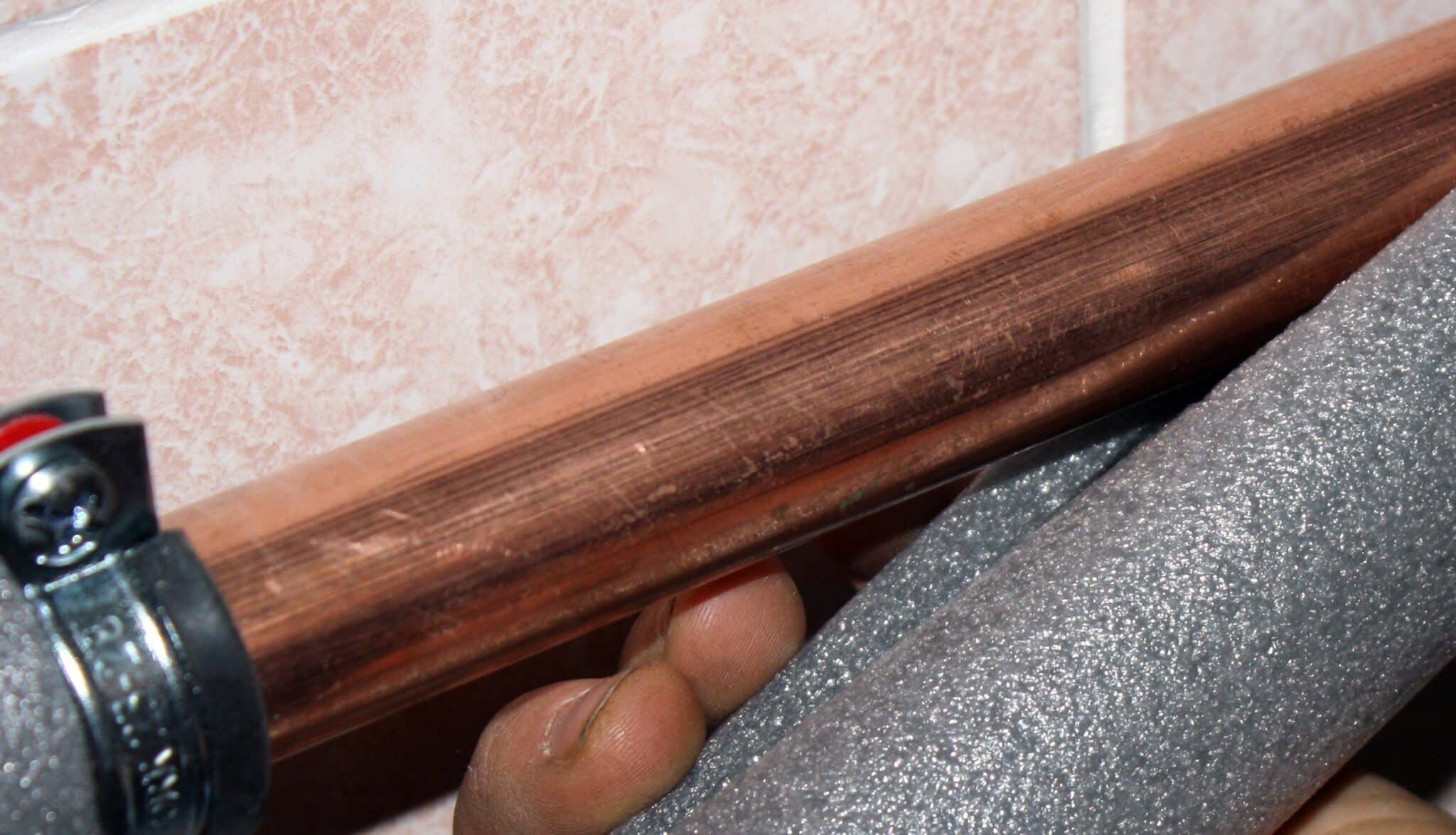
Adopting proper installation practices is crucial in reducing the risk of pipe corrosion in Frederick homes. When installing new plumbing systems, ensuring pipes are not in direct contact with materials that could trigger corrosion is essential. For instance, using insulating materials between pipes and concrete or metal surfaces can prevent electrochemical reactions. This simple step can significantly extend the life of your plumbing system by minimizing the chances of rust formation.
In Gaithersburg, MD, the orientation and layout of plumbing systems can also influence the risk of pipe corrosion. Ensuring that pipes are installed in a way that avoids unnecessary stress and strain can prevent cracks and leaks where corrosion often starts. Professional plumbers understand how to design systems that distribute water evenly, reducing the wear and tear on any one section of piping. This thoughtful planning helps maintain the integrity of the entire plumbing network.
Another effective strategy involves the use of dielectric unions when connecting dissimilar metals in plumbing systems. These specialized fittings prevent galvanic corrosion, a common issue that arises when metals with different electrochemical properties are joined. By incorporating these fittings, homeowners can effectively halt the electrochemical reactions that lead to pipe corrosion. This method is particularly beneficial in areas with hard water, which can accelerate the corrosion process.
Lastly, ensuring proper ventilation around plumbing fixtures can also deter pipe corrosion. Moisture accumulation is a leading cause of rust in pipes, so maintaining a dry environment around plumbing can make a significant difference. Homeowners should consider installing dehumidifiers in areas prone to dampness, like basements and crawl spaces. This proactive measure, combined with regular inspections, can keep your plumbing system in optimal condition, safeguarding your home against the challenges of pipe corrosion.
Regular Maintenance to Detect and Prevent Pipe Corrosion
Regular maintenance is key to preventing pipe corrosion in Frederick homes. By scheduling annual inspections, homeowners can identify and address minor issues before they escalate. Professionals use advanced tools to detect early signs of corrosion, ensuring your plumbing remains in excellent condition. This proactive approach saves money and prolongs the life of your plumbing system.
In Gaithersburg, MD, cleaning and flushing your system regularly can also ward off pipe corrosion. Removing sediment and debris helps maintain water quality and prevents the buildup of corrosive materials. Homeowners should consider professional services for thorough cleaning, which enhances the overall efficiency of the plumbing system. This simple step can significantly reduce the risk of corrosion over time.
Another crucial aspect of maintenance is replacing worn-out anodes in water heaters. These anodes attract corrosive elements, protecting the tank from rust. Checking and replacing them as needed can prevent pipe corrosion from spreading throughout your home’s plumbing. This task, often overlooked, is essential for maintaining the health of your water heating system.
Lastly, staying informed about the condition of your pipes allows for timely upgrades and replacements. Older pipes are more susceptible to corrosion, making them a risk to your home’s water quality. Upgrading to corrosion-resistant materials can safeguard your home against future issues. Homeowners in Frederick and Gaithersburg can rely on experts to recommend the best options for their specific needs, ensuring their plumbing systems are robust and reliable.
Innovative Solutions for Pipe Corrosion Prevention
Exploring innovative solutions for pipe corrosion prevention offers homeowners in Frederick, MD, a new frontier in safeguarding their plumbing systems. One emerging technology is the use of smart water monitors. These devices detect changes in water pressure and flow, which can indicate the onset of corrosion or leaks. By providing real-time data, homeowners can address issues promptly, preventing minor problems from escalating.
In Gaithersburg, MD, another promising approach involves the application of nanotechnology coatings. These coatings are designed to repel water and resist corrosion, offering a protective barrier far superior to traditional methods. Applied directly to pipes, they can significantly extend the lifespan of plumbing systems by preventing the direct contact between metal and corrosive substances.
Biological solutions are also gaining traction as an eco-friendly alternative to chemical inhibitors. Certain bacteria strains can be introduced into the plumbing system, where they form a biofilm that protects against corrosion. This method not only prevents pipe corrosion but does so in a way that is safe for the environment and the home’s water supply.
Lastly, integrating corrosion-resistant alloys into plumbing systems presents a long-term solution for homeowners. Alloys designed specifically to withstand the effects of corrosive water can replace older, more vulnerable pipes. While the initial investment may be higher, the cost savings in reduced maintenance and longer system life make this an attractive option for those looking to prevent pipe corrosion.
The Cost-Benefit Analysis of Anti-Corrosion Measures
When considering the implementation of anti-corrosion measures in Frederick, MD, homeowners should weigh the initial costs against the long-term benefits. Investing in corrosion-resistant materials and technologies may seem expensive upfront. However, these measures can significantly reduce the frequency and severity of plumbing repairs needed over time. This approach not only protects the home’s water quality but also offers substantial savings by extending the lifespan of plumbing systems.
In Gaithersburg, MD, the adoption of smart water monitors and nanotechnology coatings represents a forward-thinking strategy in combating pipe corrosion. While the cost of these innovative solutions might be higher initially, they provide real-time monitoring and superior protection against corrosion. This means homeowners can avoid the costly consequences of advanced pipe corrosion, such as water damage and extensive pipe replacement projects. The peace of mind and reduced maintenance costs make these technologies a wise investment.
Regular maintenance, including inspections and cleaning, plays a crucial role in preventing pipe corrosion and should not be overlooked. These services incur costs, but they are minimal compared to the expenses associated with repairing or replacing corroded pipes. By catching signs of corrosion early, homeowners in Frederick can take corrective action before significant damage occurs. This proactive approach is cost-effective, ensuring that small, manageable expenses prevent larger financial burdens down the line.
Finally, the environmental impact of certain anti-corrosion measures is an important consideration for many homeowners. Biological solutions and eco-friendly materials offer a way to protect plumbing systems without harming the surrounding environment. While these green options might come with a higher price tag, they contribute to a sustainable future and can offer long-term savings in terms of water quality and health benefits. For residents of Gaithersburg and Frederick, investing in these solutions aligns with a commitment to environmental stewardship and economic efficiency.
Case Studies: Successful Pipe Corrosion Prevention in Frederick
In Frederick, MD, a homeowner successfully combated pipe corrosion by installing a water softener system. This move significantly reduced the mineral content in their water, addressing the root cause of the corrosion. The homeowner noticed a marked improvement in water quality and a decrease in pipe maintenance needs. This case highlights the importance of addressing water quality to prevent pipe corrosion.
Another resident in Gaithersburg, MD, opted for regular plumbing inspections and the use of corrosion inhibitors. These steps allowed for early detection of potential issues and provided a protective barrier against corrosive elements. As a result, the homeowner extended the lifespan of their plumbing system and avoided costly repairs. This approach underscores the value of proactive maintenance and the use of chemical inhibitors.
In a different scenario, a Frederick homeowner decided to replace old metal pipes with copper alternatives. This upgrade significantly reduced the occurrence of pipe corrosion, thanks to copper’s natural resistance to rust. The homeowner appreciated the peace of mind that came with knowing their plumbing system was more robust and reliable. This example demonstrates the benefits of selecting corrosion-resistant materials for plumbing systems.
Lastly, a Gaithersburg community implemented smart water monitors to detect early signs of pipe corrosion. This technology enabled residents to address issues promptly, preventing minor problems from escalating. The community experienced fewer plumbing emergencies and enjoyed better water quality. This case shows how innovative technology can play a crucial role in preventing pipe corrosion.

Frequently Asked Questions
What causes pipe corrosion in homes?
Pipe corrosion in homes often starts with water’s chemical makeup. High levels of minerals can speed up the rusting process in pipes. Additionally, the age of plumbing and constant contact with water contribute to wear. Regular maintenance can help identify early signs and prevent further damage.
How can I detect pipe corrosion early?
Detecting pipe corrosion early is key to keeping your plumbing in top shape. Look for discoloration or flaking on pipes, a telltale sign of rust. Unusual water color or a drop in water pressure can also indicate issues. Regular inspections by a professional can catch problems before they worsen, ensuring your system stays healthy.
What are signs of pipe corrosion?
Signs of pipe corrosion include a metallic taste in your water, which is a clear indicator. You might also notice your water has a reddish or brown tint, pointing to rust inside the pipes. Leaks appearing in your plumbing system can signal that corrosion has weakened the pipes. Lastly, if you hear strange noises like clanking or banging from your pipes, it’s time to check for corrosion.
How does water quality affect pipe corrosion?
Water quality plays a crucial role in the rate of pipe corrosion in your home. High mineral content, like calcium and magnesium, can accelerate rust formation, leading to leaks and damage. Low pH levels in water can also increase corrosion, eating away at pipes from the inside out. Ensuring your water has the right balance of minerals and pH can help protect your plumbing from premature wear and tear.
Can water softeners prevent pipe corrosion?
Water softeners can indeed help in fighting against pipe corrosion by removing harsh minerals from your water. This process prevents the buildup of calcium and magnesium, which are known culprits in speeding up rust formation. By ensuring the water is softer, these systems reduce the stress on your pipes, extending their lifespan. It’s a practical step toward maintaining a healthy plumbing system in your home.