


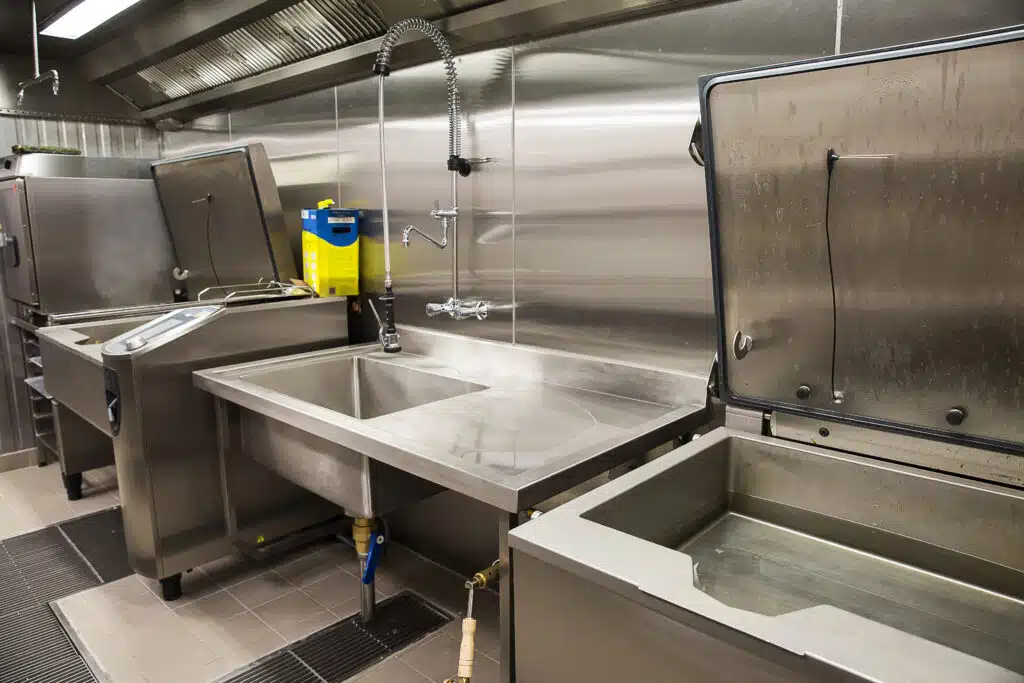
Grease trap maintenance is a critical aspect of managing a commercial kitchen, ensuring it runs smoothly and complies with health regulations. In areas like Clarksburg, MD, where the culinary scene is bustling, neglecting this duty can lead to severe consequences. Not only does it prevent clogging and backups, but it also significantly reduces the risk of unpleasant odors that can deter customers. Understanding the importance of this task is the first step towards a cleaner, more efficient kitchen operation.
Selecting the right size for a grease trap and knowing when it needs cleaning are foundational to proper maintenance. Restaurants in Gaithersburg, MD, for instance, must consider their kitchen’s size and output to determine their specific needs. A trap that’s too small will require frequent cleaning, while one that’s too large may not operate as efficiently. This balance is crucial for maintaining an optimal kitchen environment.
Cleaning intervals are equally important, as they can vary significantly based on the volume of grease a kitchen produces. High-volume establishments, like those found in Potomac, MD, might need more frequent service to avoid blockages and maintain efficiency. Regular maintenance not only extends the lifespan of your grease trap but also ensures it functions properly, keeping your operations smooth and compliant with local regulations.
Lastly, controlling odors is a vital component of grease trap maintenance. Unpleasant smells can quickly become a problem in any commercial kitchen, affecting both staff and customer experience. Through regular and thorough cleaning, businesses can prevent these odors, ensuring a pleasant environment for everyone. Embracing these maintenance practices is essential for any kitchen’s success, highlighting the importance of professional grease trap services in maintaining a clean, welcoming establishment.
Understanding Grease Trap Basics for Commercial Kitchens
Understanding the basics of grease trap maintenance is crucial for any commercial kitchen, especially in bustling culinary scenes like Gaithersburg, MD. The first step is to ensure the grease trap is correctly sized for your kitchen’s needs. A properly sized trap captures fats, oils, and greases efficiently, preventing them from entering the sewage system. This not only keeps the kitchen running smoothly but also helps in avoiding costly fines from non-compliance with local regulations.
Regular cleaning intervals are essential for maintaining the effectiveness of a grease trap. For kitchens in Potomac, MD, producing a high volume of greasy waste, this might mean scheduling maintenance more frequently. Keeping a log of cleaning dates and amounts of waste removed can help in predicting future cleaning needs. This proactive approach prevents backups and ensures the kitchen remains operational without unexpected interruptions.
Odor control is another critical aspect of grease trap maintenance. Unpleasant smells can quickly fill a kitchen and dining area if the trap is not cleaned regularly. Implementing odor control measures, such as using odor-neutralizing products and ensuring the trap’s lids are securely fitted, can make a significant difference. These steps create a more pleasant working and dining environment for staff and patrons alike.
Lastly, engaging with a professional service for grease trap maintenance can provide peace of mind. Experts bring the right tools and knowledge to thoroughly clean and inspect your grease trap, ensuring it operates at peak efficiency. They can also offer valuable advice on how to minimize grease waste, further reducing the need for frequent cleanings. Partnering with professionals ensures your kitchen complies with all local health and safety regulations, keeping your business running smoothly.
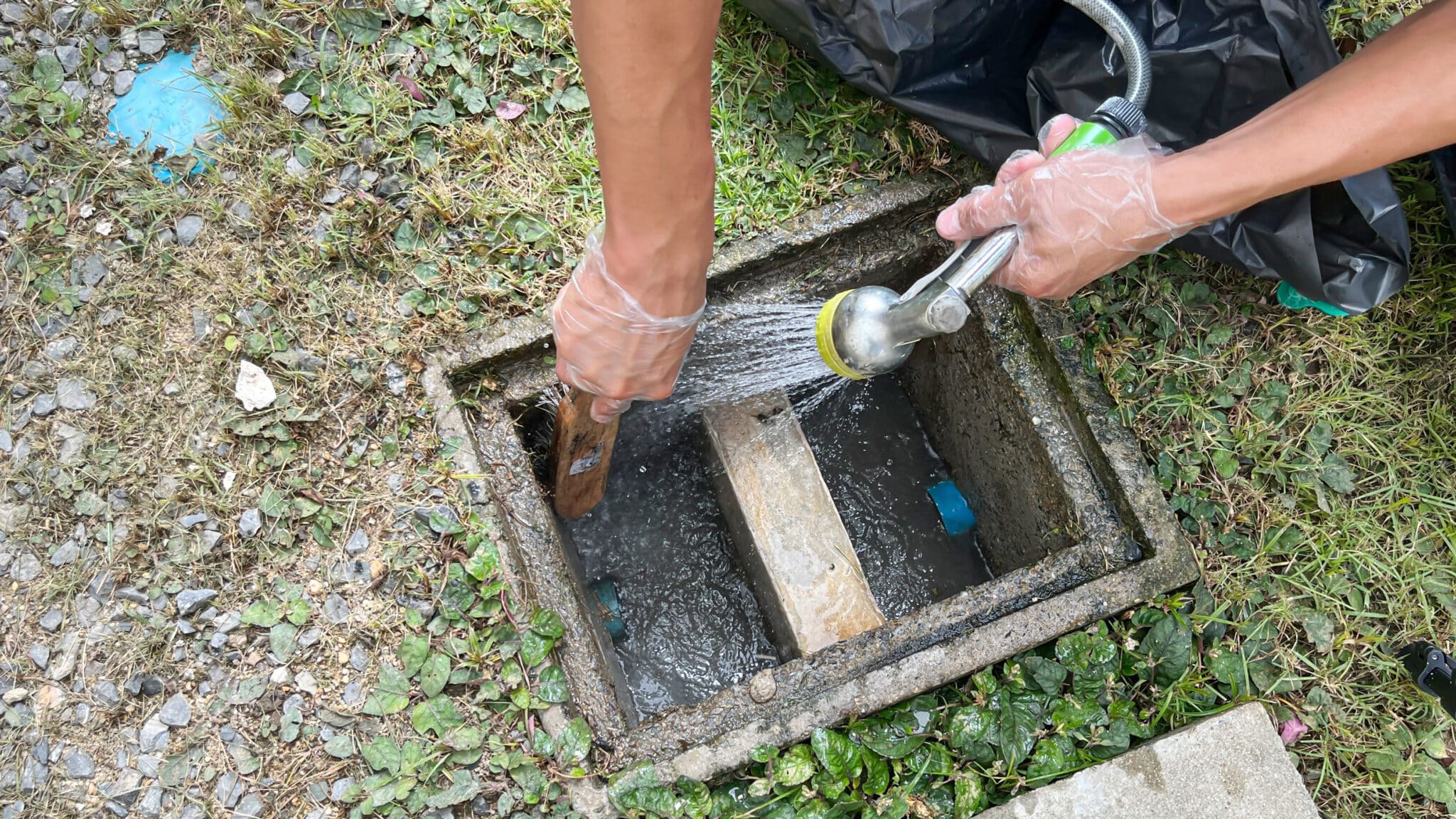
The Importance of Proper Grease Trap Sizing
Grease trap maintenance plays a pivotal role in the efficiency and compliance of commercial kitchens. In Gaithersburg, MD, where the culinary industry thrives, selecting an appropriately sized grease trap is essential. A trap too small can lead to frequent and costly cleanings, whereas one too large may not capture grease effectively. Understanding your kitchen’s output is the first step towards optimizing maintenance routines.
Regular cleaning intervals are determined by the volume of waste your kitchen produces. For high-volume kitchens, like those in Potomac, MD, more frequent maintenance is necessary to prevent blockages and ensure smooth operations. Scheduling professional cleanings based on your kitchen’s specific needs can avoid disruptions and maintain a high standard of hygiene. This proactive approach is crucial for the longevity and effectiveness of your grease trap.
Odor control is another significant aspect of grease trap maintenance. Unpleasant smells can negatively impact both the dining experience and the working environment. Regular and thorough cleanings, along with the use of odor-neutralizing products, can keep odors at bay. Ensuring that the trap’s lids are securely fitted also helps in minimizing the escape of foul smells into the kitchen and dining areas.
Lastly, partnering with a professional service for grease trap maintenance offers numerous benefits. Experts equipped with the right tools and knowledge can ensure your system operates efficiently and complies with local regulations. They can also provide tailored advice to minimize grease waste, reducing the frequency of cleanings needed. This partnership not only ensures the optimal performance of your grease trap but also supports the overall success of your kitchen.
Grease Trap Maintenance: Cleaning Schedules
Establishing a consistent cleaning schedule for grease trap maintenance is crucial for any commercial kitchen, especially in bustling areas like Gaithersburg, MD. By setting regular intervals for cleaning, kitchens can avoid the buildup of fats, oils, and greases that lead to blockages. This proactive approach not only keeps the kitchen running smoothly but also helps in meeting local health regulations. Planning ahead ensures that maintenance doesn’t disrupt the kitchen’s daily operations.
In Potomac, MD, the frequency of grease trap maintenance varies depending on the volume of waste produced. High-volume kitchens may require monthly cleanings, while those with less grease output might extend the interval to quarterly services. Tailoring the cleaning schedule to the specific needs of your kitchen prevents overflows and maintains efficiency. It’s essential to monitor grease levels regularly to adjust the cleaning frequency as needed.
Odor control is an integral part of grease trap maintenance, directly impacting the kitchen’s environment. Regular cleaning minimizes the risk of unpleasant odors, creating a more pleasant atmosphere for both staff and customers. Using odor-neutralizing products in conjunction with a well-maintained grease trap can significantly reduce the presence of foul smells. Ensuring that lids are securely sealed further prevents odors from escaping into the kitchen and dining area.
Finally, engaging with a professional service for grease trap maintenance streamlines the process, making it more efficient. Experts can assess your kitchen’s needs, recommending a cleaning schedule that aligns with your operations. They bring specialized tools and knowledge to thoroughly clean and inspect the grease trap, ensuring it functions at its best. Partnering with professionals not only keeps your kitchen in compliance with local regulations but also supports its long-term success.
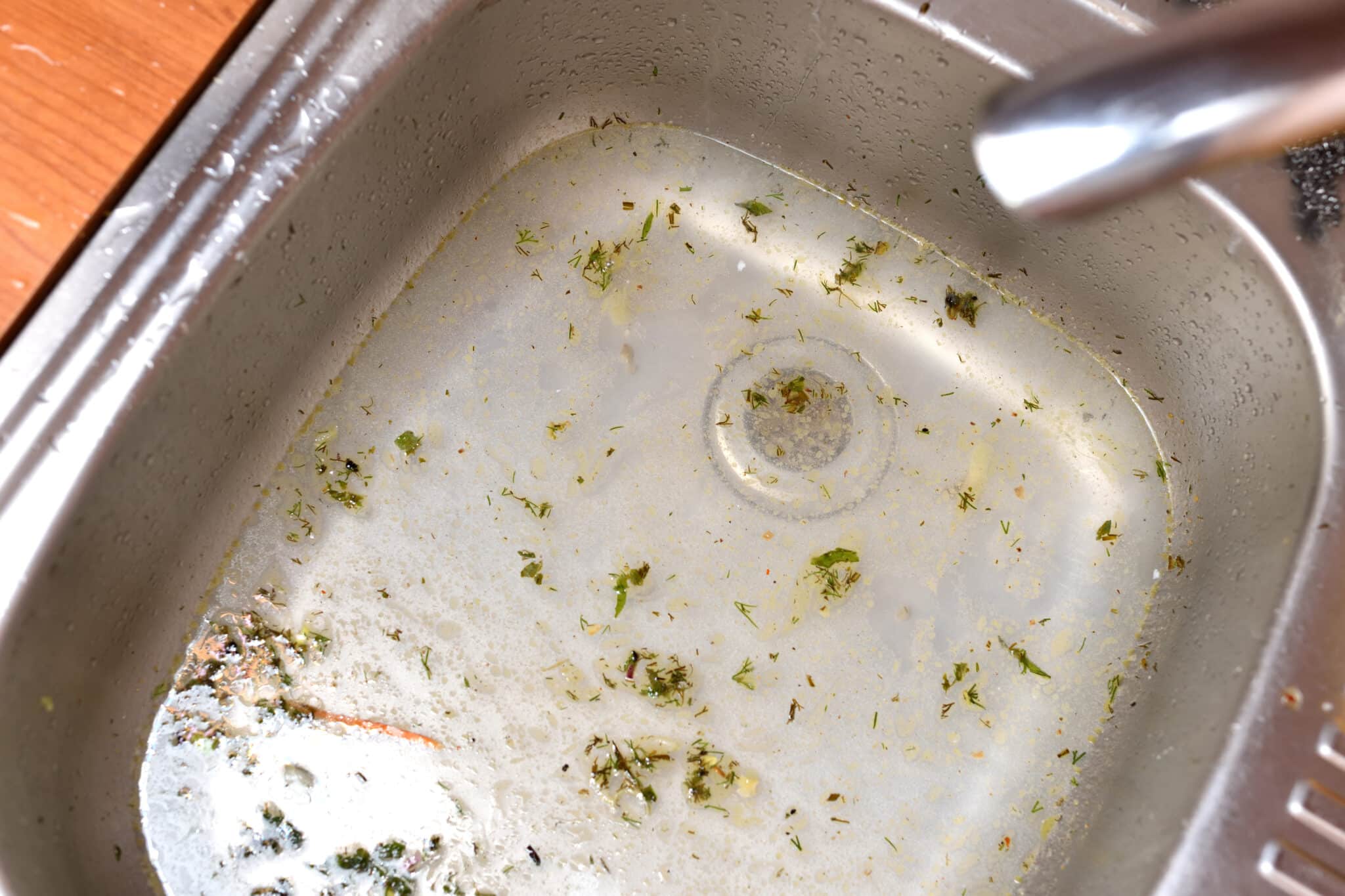
Signs Your Grease Trap Needs Immediate Attention
Recognizing the signs that your grease trap requires immediate attention is key to maintaining a smooth operation in your commercial kitchen. If you notice slow drainage in your sinks, it’s a clear indicator that your grease trap might be full or clogged. This issue can escalate quickly, leading to more severe plumbing problems that disrupt your kitchen’s functionality. Addressing these signs early on prevents costly repairs and ensures your business in Gaithersburg, MD, remains operational.
Another sign to watch for is an unpleasant odor emanating from the grease trap area. Foul smells are not only a nuisance but also a health hazard, affecting the well-being of both employees and customers. Regular grease trap maintenance eliminates these odors, keeping your kitchen environment in Potomac, MD, fresh and inviting. It’s crucial to act swiftly when these odors arise to maintain a positive dining experience.
Unexpected backups or overflows are also telltale signs that your grease trap needs immediate professional attention. Such incidents can significantly disrupt your kitchen’s operations and may lead to temporary closures. Promptly addressing these issues ensures that your kitchen adheres to health and safety standards, preventing any interruptions in service. Professional grease trap maintenance services can quickly resolve these problems, keeping your kitchen running efficiently.
Lastly, if it’s been longer than the recommended cleaning interval since your last grease trap service, it’s time to schedule another cleaning. Regular maintenance is essential to prevent the accumulation of fats, oils, and greases that lead to the issues mentioned. Staying on top of these maintenance schedules supports the longevity of your grease trap and the overall success of your kitchen. Ensuring your grease trap is cleaned regularly is a proactive step towards maintaining a healthy, efficient commercial kitchen environment.
Best Practices for Effective Odor Control
Effective odor control is a crucial aspect of grease trap maintenance, ensuring a pleasant environment for both staff and customers in commercial kitchens. In Gaithersburg, MD, adopting best practices for odor management can significantly enhance the dining experience. This involves regular cleaning and inspection of grease traps to remove the accumulated fats, oils, and greases that often cause foul smells. By prioritizing these practices, restaurants can maintain a fresh and welcoming atmosphere.
In addition to routine cleaning, the use of odor-neutralizing products plays a vital role in controlling smells emanating from grease traps. These products work by breaking down the odor-causing compounds, rather than merely masking the smells. Establishments in Potomac, MD, have found success by integrating these products into their regular grease trap maintenance schedule. This proactive approach not only addresses odors but also contributes to a cleaner and more hygienic kitchen environment.
Ensuring that grease traps are properly sealed is another effective strategy to prevent odors from escaping into the kitchen and dining areas. A well-sealed lid keeps the contained gases from leaking out, which is essential for odor control. Regular checks for gaps or damages to the seal can prevent unexpected odor issues, keeping the kitchen environment pleasant for everyone. This simple yet effective measure is an integral part of grease trap maintenance routines.
Lastly, engaging with professional grease trap maintenance services ensures that all aspects of odor control are thoroughly addressed. Professionals bring expertise and specialized equipment to clean and maintain grease traps efficiently. Their services not only help in controlling odors but also in extending the lifespan of the grease trap itself. By partnering with experts, commercial kitchens can ensure that they are adhering to the best practices for grease trap maintenance and odor control.
The Role of Professional Services in Grease Trap Maintenance
Engaging with professional services for grease trap maintenance ensures a higher standard of cleanliness and efficiency in commercial kitchens. These experts come equipped with specialized tools and extensive knowledge, allowing them to tackle any issues head-on. In Gaithersburg, MD, where the culinary scene is competitive, having a reliable professional service can make all the difference. They not only clean but also inspect grease traps thoroughly, preventing future problems.
Professional services offer tailored maintenance schedules based on a kitchen’s specific needs. This customization is crucial for kitchens in Potomac, MD, where grease production can vary significantly. By analyzing the volume of waste produced, professionals can recommend the optimal frequency for maintenance. This proactive approach helps kitchens avoid emergency situations and maintain continuous operation.
In addition to cleaning, professional grease trap maintenance services provide invaluable advice on how to reduce grease waste. This guidance can lead to more sustainable kitchen practices, ultimately saving time and resources. They teach staff how to minimize the amount of fats, oils, and greases that enter the system. Such education is essential for maintaining an efficient grease trap and a cleaner kitchen environment.
Lastly, partnering with a professional service ensures compliance with local health and safety regulations. These experts are well-versed in the requirements of different jurisdictions, including those in Clarksburg, MD. They ensure that your grease trap maintenance practices meet all legal standards, protecting your business from potential fines. This peace of mind is invaluable for any commercial kitchen aiming for long-term success.
Environmental Benefits of Regular Grease Trap Cleaning
Regular grease trap maintenance not only ensures a clean and efficient kitchen but also offers significant environmental benefits. By preventing fats, oils, and greases from entering sewage systems, these practices protect local waterways from pollution. In Gaithersburg, MD, where environmental conservation is a priority, such maintenance contributes to the overall health of the community. It reduces the risk of sewer blockages, which can lead to overflows and contaminate natural water bodies.
In Potomac, MD, restaurants practicing diligent grease trap cleaning are part of a larger movement towards sustainability. This routine prevents harmful substances from reaching landfill sites, where they can generate greenhouse gases as they decompose. Moreover, it encourages the recycling of waste oil into biofuels, further reducing the carbon footprint of commercial kitchens. This approach not only aligns with environmental goals but also promotes a greener image for businesses.
Engaging in regular grease trap maintenance also conserves water by ensuring that kitchens operate more efficiently. When traps are clean, there is less need for excessive water use to manage clogs and overflows. This is particularly important in areas facing water scarcity challenges. By optimizing water use, kitchens contribute to the conservation of this vital resource, showcasing their commitment to sustainable operations.
Lastly, the practice supports biodiversity by keeping local ecosystems free from harmful waste. Clean waterways provide a healthier habitat for aquatic life, supporting a diverse range of species. Through responsible grease trap maintenance, commercial kitchens in Clarksburg, MD, play a crucial role in protecting the environment. This commitment to sustainability not only benefits the planet but also enhances the reputation of businesses within the community.
Common Mistakes to Avoid in Grease Trap Maintenance
In grease trap maintenance, overlooking the cleaning schedule is a frequent misstep. Kitchens in Gaithersburg, MD, sometimes wait until problems arise before acting, which can lead to bigger issues. This reactive approach disrupts operations and can result in unnecessary expenses. Proactively scheduling cleanings ensures a smooth-running kitchen and prevents emergencies.
Another common mistake is neglecting the correct disposal of grease. Some establishments in Potomac, MD, might pour fats, oils, and greases down the sink, thinking it’s a shortcut. However, this practice quickly clogs the grease trap, leading to inefficiencies and potential health violations. Proper disposal methods are crucial for maintaining an effective grease trap system.
Failing to train staff on the importance of grease trap maintenance is also a pitfall. Without understanding the role they play, employees might inadvertently contribute to the problem. Educating your team on best practices, like scraping plates before washing, can significantly reduce the grease load. This collective effort helps in extending the lifespan of your grease trap.
Lastly, underestimating the value of professional grease trap maintenance services is a mistake. Some kitchens attempt to cut costs by handling it in-house without the necessary expertise. This often results in incomplete cleaning, which doesn’t fully address the issue. Engaging professionals ensures a thorough job, keeping your kitchen compliant and operational.
Frequently Asked Questions
What is a grease trap?
A grease trap is a plumbing device designed to capture fats, oils, and grease from wastewater in commercial kitchens. It prevents these substances from entering the sewer system. Regular grease trap maintenance ensures it works efficiently, reducing the risk of blockages. Proper care also helps in controlling unpleasant odors that can arise from accumulated grease.
How often should grease trap maintenance occur?
Grease trap maintenance should be a regular task, typically every 1 to 3 months. This frequency can vary based on the size of your grease trap and the volume of fats, oils, and grease your kitchen produces. Waiting too long can lead to clogs and odors, making your kitchen less pleasant and efficient. Staying on top of cleaning schedules ensures your grease trap works well and remains in compliance with local regulations.
Can I clean a grease trap myself?
Cleaning a grease trap yourself is possible, but it’s not recommended for everyone. It requires specific knowledge and tools to do it correctly and safely. Professional grease trap maintenance services have the expertise to ensure it’s done right, avoiding potential problems. They also dispose of the waste in compliance with local regulations, making the process hassle-free for you.
What happens during grease trap maintenance?
During grease trap maintenance, a professional cleans out all the trapped fats, oils, and grease. They also inspect the system for any signs of wear or damage. This ensures your kitchen stays clean and odor-free. Regular maintenance keeps your grease trap working efficiently, avoiding costly repairs.
Why is regular grease trap maintenance important?
Regular grease trap maintenance keeps your commercial kitchen running smoothly. It prevents blockages and backups, saving you from costly repairs. This routine care also fights against unpleasant odors, keeping your space fresh and welcoming. Ultimately, staying on top of maintenance ensures compliance with health regulations, protecting your business’s reputation.