


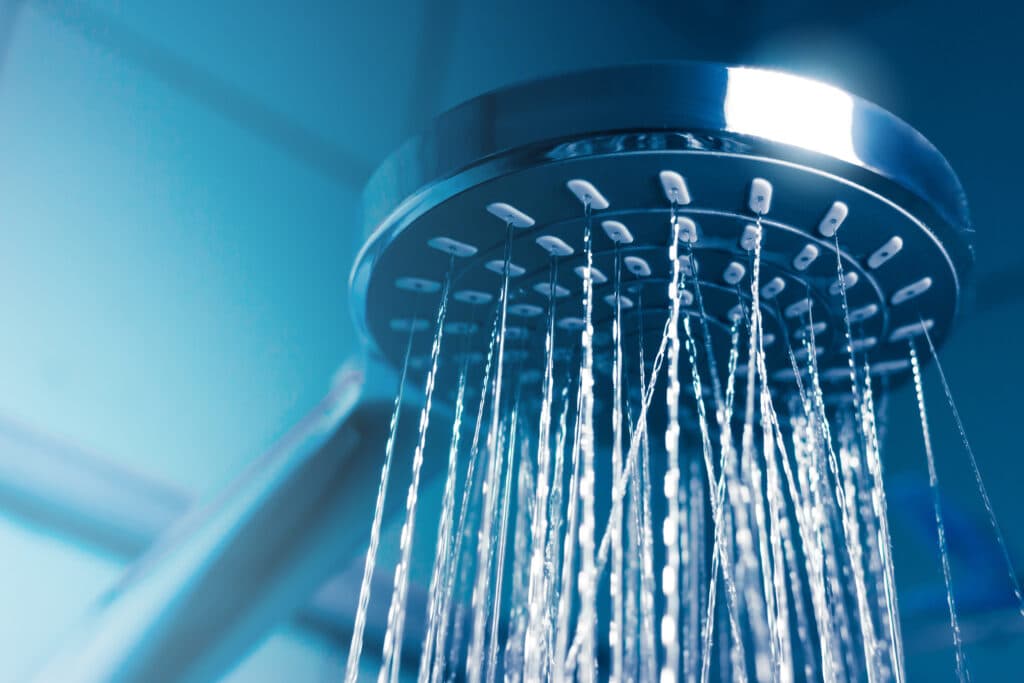
In Clarksburg, MD, and surrounding areas like Laytonsville, the conversation around water conservation is becoming increasingly prevalent. Residents are seeking ways to save water without compromising on their daily comfort. This is where understanding fixture flow rates comes into play. By adjusting the flow rates of faucets and showers, households can achieve a balance between conservation and comfort.
Fixture flow rates are a crucial factor in managing water usage efficiently. In the heart of Clarksburg, homeowners are beginning to recognize the impact that optimized flow rates can have on their water bills and the environment. It’s not just about reducing consumption, it’s about smart consumption. With the right adjustments, it’s possible to significantly reduce water waste without feeling the difference in daily water use.
The journey towards water conservation doesn’t have to involve drastic measures. Simple changes in fixture flow rates can lead to substantial savings. Whether it’s a home in Laytonsville or a business in Clarksburg, adjusting flow rates is a step in the right direction. This approach ensures that everyone can contribute to water conservation efforts without sacrificing the quality of their water experience.
Understanding and adjusting fixture flow rates is a practical step towards sustainable living. It’s a topic that resonates with Clarksburg and Laytonsville residents alike. By embracing these changes, communities can work together towards a more sustainable future. The balance between water conservation and maintaining comfort is achievable, and it starts with paying attention to the flow rates of our fixtures.
Understanding Fixture Flow Rates and Their Importance
Understanding fixture flow rates is essential for managing water use in both homes and businesses. These rates determine how much water flows through faucets and showers, impacting both conservation efforts and utility bills. By knowing the optimal flow rates, residents in Laytonsville, MD, can make informed decisions that align with both their comfort and environmental goals. This knowledge empowers individuals to take control of their water usage, paving the way for more sustainable living practices.
Fixture flow rates are not just numbers, they represent a balance between efficiency and practicality. For example, a shower with a too-low flow rate might conserve water but could lead to longer shower times, negating any savings. Conversely, a faucet with a high flow rate in Clarksburg, MD, might offer quick convenience but at the cost of excessive water use. Finding the right flow rate is about achieving that middle ground where water is used wisely without compromising on the quality of use.
Adjusting these rates is a straightforward process that can have immediate benefits. Simple tools and adjustments can convert a high-flow fixture into a water-efficient one without the need for professional help. This do-it-yourself approach not only reduces water consumption but also fosters a sense of accomplishment among residents. It’s a practical step towards environmental stewardship that also offers the potential for savings on water bills.
Ultimately, the importance of fixture flow rates extends beyond individual households or businesses. It’s a critical component of a community-wide approach to water conservation. As more people in areas like Clarksburg, MD, and Laytonsville, MD, adopt efficient flow rates, the cumulative effect can lead to significant water savings. This collective effort not only helps in preserving our precious water resources but also in fostering a culture of sustainability and responsibility towards the environment.
The Environmental Impact of High Flow Rates
The environmental impact of high fixture flow rates extends beyond just increased water bills for residents of Clarksburg, MD. When faucets and showers release water more rapidly than necessary, it leads to a substantial rise in water consumption. This not only depletes local water resources but also increases the energy required for water treatment and distribution. By understanding and managing these rates, individuals can significantly reduce their environmental footprint.
In Laytonsville, MD, the shift towards optimizing fixture flow rates represents a critical step in environmental conservation. Reducing flow rates to an efficient level means less water is wasted during daily activities such as showering, washing dishes, or handwashing. This reduction in waste directly contributes to the preservation of local aquatic ecosystems and reduces the strain on municipal water systems. It’s a simple yet effective way to support the environment.
Moreover, the cumulative effect of individual actions can lead to broader environmental benefits. When communities like those in Clarksburg and Laytonsville embrace lower fixture flow rates, the collective savings in water and energy can be substantial. This community effort not only conserves water but also reduces the overall energy consumption related to water heating and treatment, contributing to a reduction in greenhouse gas emissions.
Encouraging the adoption of efficient fixture flow rates is essential for sustainable water use. It empowers residents to take actionable steps towards conservation without compromising their comfort. As more people adjust their fixtures to lower flow rates, the positive impact on the environment grows, showcasing how small changes can lead to significant environmental benefits. This approach aligns with the broader goals of water conservation and environmental stewardship, making it a win-win for both individuals and the planet.
How to Measure Your Current Fixture Flow Rates
Measuring your current fixture flow rates is a critical first step in optimizing water use in your Clarksburg, MD home. By understanding the amount of water your faucets and showers use, you can identify opportunities for improvement. A simple gallon jug and a stopwatch are all you need to get started. This process not only reveals your fixtures’ efficiency but also sets the stage for making impactful changes.
Once you have your measurements, comparing them to recommended flow rates can highlight areas where adjustments are necessary. If your fixtures exceed the Environmental Protection Agency’s (EPA) WaterSense standards, it’s time to consider updates or adjustments. This comparison offers a clear path to reducing water use without compromising performance. Making these changes can lead to significant water savings and contribute to environmental conservation efforts.
For residents in Laytonsville, MD, finding water-efficient fixtures has become easier than ever. Many modern options are designed to lower flow rates without reducing water pressure. These fixtures provide the same level of comfort and functionality while using less water. Switching to these water-efficient models is a straightforward way to decrease your household’s water consumption and utility bills.
Lastly, educating yourself on the benefits of lower fixture flow rates empowers you to make informed decisions about water use. By taking the initiative to measure and adjust your fixtures, you contribute to a larger community effort towards sustainability. This proactive approach not only benefits your household but also supports the broader goal of preserving our planet’s precious water resources.
Setting Optimal Flow Rates for Comfort and Conservation
Setting optimal fixture flow rates is a practical approach that marries the need for water conservation with the desire for comfort. By fine-tuning the flow from our showers and faucets, we can make a significant dent in our water usage without feeling deprived. This balance ensures that while we’re doing our part for the environment, our daily routines in Clarksburg, MD, remain unaffected. It’s about making smart choices that benefit both our wallets and the planet.
In Laytonsville, MD, residents have the opportunity to lead by example, showing how small adjustments can lead to big savings. By choosing fixtures that meet or exceed the EPA’s WaterSense standards, they set a standard for responsible water use. These adjustments not only reduce the strain on municipal water systems but also pave the way for a sustainable future. It’s a testament to how community actions can influence broader environmental goals.
Educating ourselves on the impact of our water use is the first step towards meaningful change. When we understand the correlation between fixture flow rates and water conservation, we become more inclined to make those necessary adjustments. This knowledge empowers us to take control of our environmental footprint, ensuring that our actions align with our values. It’s a journey that starts in the home but extends far beyond, contributing to a global effort to conserve water.
Finally, the transition to water-efficient fixtures is easier than many might think. With a wide array of options available, finding a model that suits both our aesthetic preferences and conservation goals is straightforward. This change not only enhances the sustainability of our homes in Clarksburg, MD, but also offers a sense of pride in our contributions to environmental stewardship. By embracing optimal fixture flow rates, we embrace a future where comfort and conservation go hand in hand.
Fixture Flow Rates: Choosing the Right Fixtures for Your Home
Choosing the right fixtures for your home in Clarksburg, MD, starts with understanding fixture flow rates. These rates are pivotal in ensuring water conservation while maintaining daily comfort. By selecting fixtures that align with the recommended flow rates, homeowners can enjoy the dual benefits of efficiency and functionality. This smart selection process is crucial for those aiming to reduce their environmental footprint without compromising on their lifestyle.
In Laytonsville, MD, the move towards water-efficient fixtures is gaining momentum. Residents are increasingly opting for models that not only meet but exceed the Environmental Protection Agency’s WaterSense standards. This shift not only signifies a commitment to sustainable living but also showcases the community’s dedication to preserving natural resources. Such choices reflect a growing awareness of the importance of conservation in everyday life.
When it comes to installation, homeowners have a variety of options. Many modern fixtures are designed for easy installation, allowing individuals to upgrade their homes without the need for professional assistance. This do-it-yourself approach not only saves money but also encourages a hands-on approach to conservation. It’s a rewarding process that empowers residents to take direct action in managing their water usage.
Finally, the journey towards optimizing fixture flow rates in your Clarksburg or Laytonsville home is a step towards a more sustainable future. By choosing the right fixtures, individuals can make a significant impact on water conservation efforts. This decision not only benefits the environment but also supports the community’s goal of achieving a balanced and responsible approach to water usage. It’s a testament to the power of informed choices and their role in shaping a greener tomorrow.
Tips for Maintaining Ideal Flow Rates in Your Plumbing
Maintaining ideal fixture flow rates is essential for both water conservation and ensuring your daily comfort isn’t compromised. In Clarksburg, MD, residents can easily keep their plumbing efficient with regular checks. By monitoring these rates, you can catch any deviations early and adjust accordingly. This proactive approach prevents unnecessary water usage and keeps bills low.
Simple tools like flow gauges can be invaluable for homeowners in Laytonsville, MD, aiming to maintain optimal flow rates. These devices help measure water output from faucets and showers, making it easier to identify when adjustments are needed. With this information, residents can make precise changes to stay within recommended conservation targets. It’s an effective way to ensure sustainability without sacrificing functionality.
Educating yourself on the signs of fluctuating fixture flow rates can also make a big difference. If you notice a sudden increase in water usage or a drop in water pressure, it might be time to check your fixtures. This awareness helps in addressing issues before they escalate, ensuring your plumbing remains in top condition. Regular maintenance checks contribute to a more efficient home and a healthier environment.
Finally, embracing water-saving habits complements the effort to maintain ideal fixture flow rates. Turning off the tap while brushing your teeth or fixing leaks promptly can significantly reduce water waste. These small actions, when combined with efficient fixtures, amplify the impact on conservation efforts. Together, they represent a comprehensive approach to managing water use in your home, aligning with Clarksburg and Laytonsville’s commitment to sustainability.
The Role of Aerators and Pressure-Reducing Valves
Enhancing fixture flow rates for water conservation doesn’t stop at selecting the right faucets and showers. In Clarksburg, MD, residents can further optimize their water usage through the installation of aerators and pressure-reducing valves. Aerators, by introducing air into the water stream, can significantly reduce water use without compromising the sensation of high pressure. This simple addition to your fixtures can make a substantial difference in managing water efficiently.
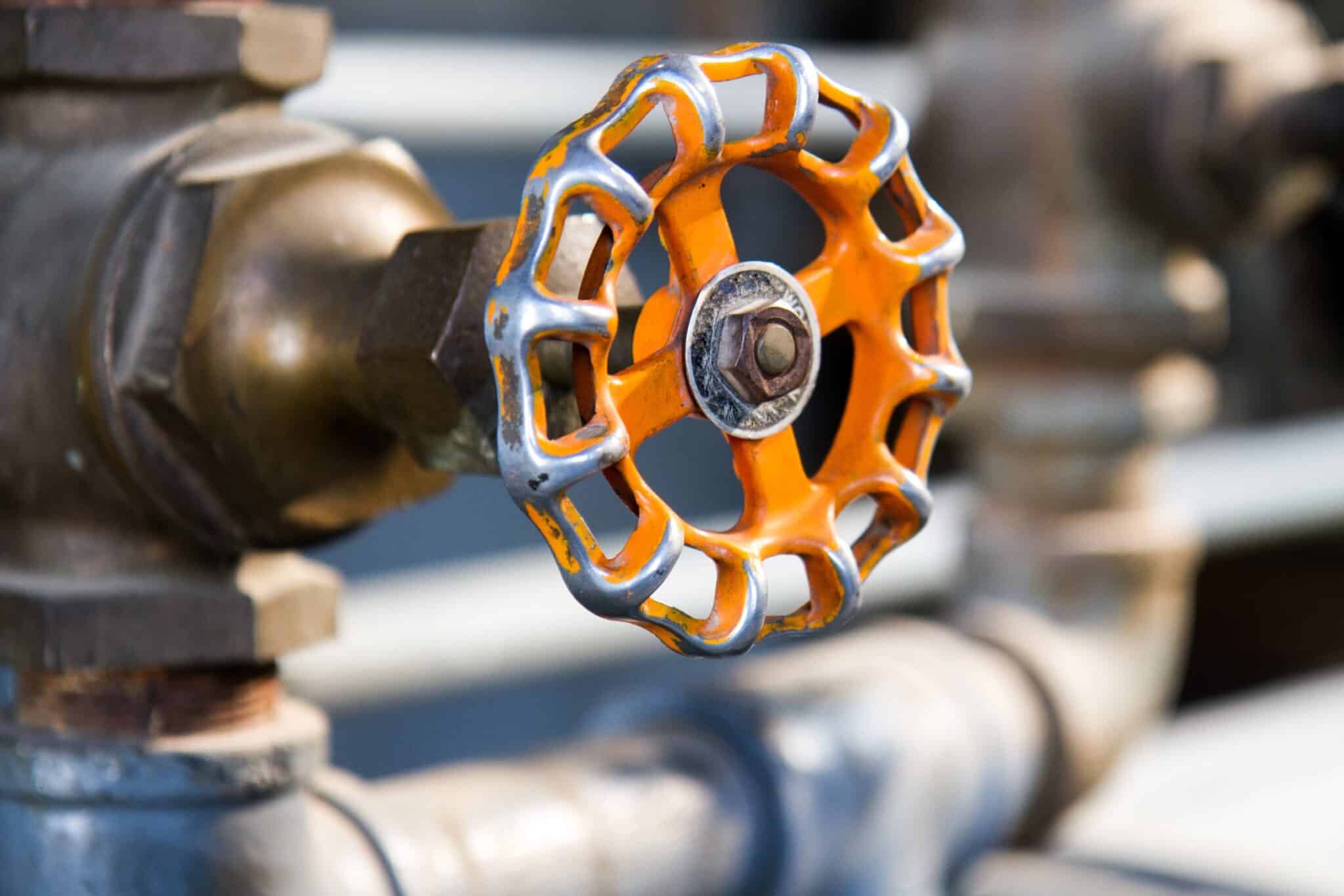
Pressure-reducing valves play a crucial role in controlling the overall water pressure entering a home. In Laytonsville, MD, where water pressure from the municipal supply can be high, installing these valves ensures that water flows at a more manageable rate. Not only does this reduce strain on your plumbing system, but it also contributes to lowering the fixture flow rates, aligning with conservation goals. It’s an effective strategy for residents looking to minimize their environmental impact while maintaining comfort.
Educating oneself on the benefits and installation of these water-saving devices is a step towards a more sustainable household. Many homeowners might not realize the impact aerators and pressure-reducing valves can have on their water consumption. By incorporating these tools, individuals take an active role in reducing their water usage. It’s a practical approach that complements the efforts to maintain ideal fixture flow rates.
Ultimately, the combination of mindful fixture selection, along with the use of aerators and pressure-reducing valves, presents a comprehensive solution to water conservation in Clarksburg and Laytonsville. These methods, when implemented together, ensure that residents can achieve significant savings on their water bills while contributing to environmental sustainability. It’s a testament to how small changes in our daily routines can lead to substantial benefits for our community and the planet.
Case Studies: Success Stories of Flow Rate Adjustments
In Laytonsville, MD, a local school implemented fixture flow rates adjustments that led to a 30% reduction in their monthly water usage. This significant decrease came after installing aerators on all faucets and low-flow showerheads in the gymnasium. The school’s initiative not only saved thousands of gallons of water but also set a precedent for sustainability within the community. Their success story has inspired other institutions to consider similar adjustments for water conservation.
Meanwhile, a restaurant in Clarksburg, MD, saw a remarkable decrease in their water bill after optimizing their kitchen’s fixture flow rates. By choosing water-efficient pre-rinse spray valves and encouraging staff to use water more judiciously, they achieved a 20% savings. This not only improved their bottom line but also demonstrated their commitment to environmental stewardship. The restaurant’s efforts have been recognized by the local business community, sparking a wider conversation on sustainable practices.
A residential community in Clarksburg undertook a collective project to replace old, inefficient fixtures with models meeting the EPA’s WaterSense standards. Homeowners reported not only a decrease in water consumption but also an enhanced experience with their new, efficient fixtures. This community-wide initiative has strengthened neighborhood bonds and highlighted the power of collective action in achieving sustainability goals. Their story serves as a model for other communities aiming to reduce their environmental footprint without compromising comfort.
In Laytonsville, a homeowner’s decision to install pressure-reducing valves and monitor fixture flow rates closely paid off with a 25% reduction in water use. This individual’s proactive approach, combined with regular maintenance checks, ensured optimal performance of all water fixtures. Sharing this success story through local workshops has empowered others to take similar steps toward water conservation. It’s a testament to how individual actions can lead to significant community benefits, reinforcing the importance of mindful water use.

Frequently Asked Questions
What are fixture flow rates?
Fixture flow rates refer to how much water flows from your taps and showers per minute. They are key in balancing water use with comfort in your home. Adjusting these rates can lead to significant savings on water bills. Clarksburg Plumbing experts can help set these rates to conserve water without impacting your daily routines.
How do flow rates affect water conservation?
Flow rates directly impact water conservation by controlling how much water is used. Lowering these rates means less water flows through your fixtures, leading to savings. Clarksburg Plumbing can adjust these rates to ensure you use only what you need. This approach helps preserve our precious resource without compromising your comfort.
Can changing fixture flow rates save money?
Yes, changing fixture flow rates can lead to savings on your water bills. By adjusting how much water flows through your taps and showers, Clarksburg Plumbing helps you use less. This reduction in water usage means you pay for only what you need. Over time, these savings can add up, making a noticeable difference in your expenses.
How to measure fixture flow rates?
Measuring fixture flow rates is simpler than you might think. First, turn on the fixture and let the water flow into a bucket for 10 seconds. Then, measure the amount of water in the bucket and multiply by six to find the flow rate per minute. Clarksburg Plumbing experts can perform this task quickly, ensuring accurate results for your home.
Are there legal limits on fixture flow rates?
Yes, there are indeed legal limits on fixture flow rates. These regulations aim to ensure water conservation across communities. Clarksburg Plumbing stays updated on all local and federal guidelines to keep your home compliant. Trust them to adjust your flow rates within legal boundaries, promoting both savings and sustainability.