


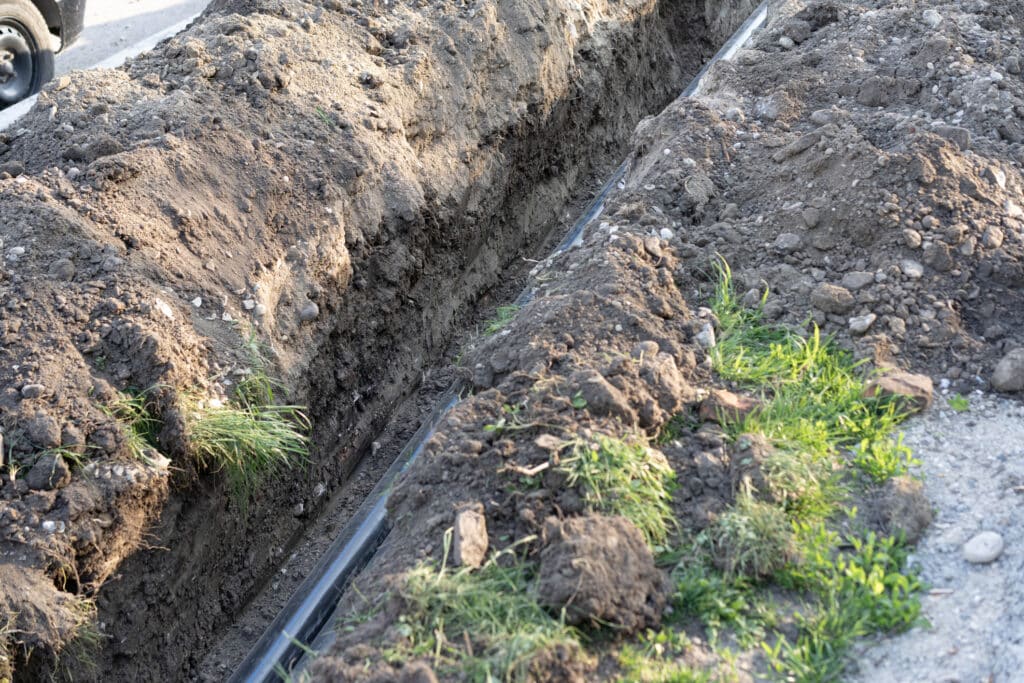
Root intrusion barriers work by creating a shield around your sewer lines. These barriers deter roots from encroaching on the pipes, ensuring the smooth operation of your sewage system. Whether installed during initial construction or added to existing systems, they provide peace of mind for homeowners. Understanding the importance of these barriers can save you from unexpected plumbing disasters.
In areas like Clarksburg, where the landscape is dotted with mature trees, the risk of root intrusion is particularly high. The use of root intrusion barriers is not just a preventive measure but a necessary investment in the longevity of your sewer system. Homeowners can choose from a variety of barrier types, each designed to meet specific landscaping and plumbing needs.
Educating yourself on root intrusion barriers is the first step toward protecting your home from potential damage. As we delve deeper into how these barriers work, remember that the right knowledge and a proactive approach can keep your sewer lines clear and functional. Stay tuned as we explore the benefits and installation processes of these essential defenses against root intrusion.
Understanding Root Intrusion in Private Sewer Lines
To understand how root intrusion barriers protect private sewer lines, it’s essential to grasp the nature of the problem. In areas like Bethesda, MD, the combination of older sewer systems and vigorous tree growth creates a battleground beneath the surface. Roots naturally seek out water sources, leading them to invade sewer lines in search of moisture. This invasion can result in blockages, leaks, and significant damage over time.
Physical barriers are one effective method to counteract this issue. They are usually made of metal or plastic and are buried around the sewer line to act as a shield. These barriers physically prevent roots from reaching the pipes, directing them away from the sewer lines. Homeowners in Gaithersburg, MD, have seen the benefits of installing such barriers, reporting fewer incidents of root intrusion.
Chemical barriers offer a different approach by discouraging root growth near sewer lines. These solutions involve the use of compounds that are safe for the environment but deter roots on a molecular level. Applied around the sewer line, they create a zone where roots are less likely to grow, thereby protecting the pipes from intrusion. This method is particularly useful for those looking to maintain the health of their landscaping while safeguarding their sewer systems.
Combining physical and chemical barriers provides a comprehensive defense against root intrusion. This dual approach ensures that sewer lines on private property remain clear and functional, saving homeowners from the hassle and expense of repairs. As Clarksburg residents continue to battle with invasive roots, the adoption of root intrusion barriers stands out as a smart and effective strategy to protect their homes.
The Importance of Protecting Your Sewer Line from Roots
Protecting your sewer line from roots is crucial for maintaining a healthy and efficient home plumbing system. In places like Bethesda, MD, where homes often come with a rich history and mature landscapes, the threat of root intrusion into sewer lines is a real concern. Root intrusion barriers serve as a guardian against such invasions, ensuring that your plumbing remains intact. By investing in these barriers, homeowners can avoid the inconvenience and expense of repairing root-damaged pipes.
The effectiveness of root intrusion barriers lies in their ability to provide a long-term solution to a potentially recurring problem. Whether opting for physical or chemical barriers, the goal is to keep roots at bay and your sewer lines clear. In Gaithersburg, MD, residents have witnessed the benefits of these barriers, enjoying a reduction in plumbing emergencies related to root intrusion. This peace of mind is invaluable, particularly in areas prone to aggressive root growth.
Moreover, the installation of root intrusion barriers is a proactive step towards preserving the environment around your property. By deterring roots from entering your sewer lines, you not only protect your plumbing but also the health of your trees and landscaping. This approach ensures that both your home and its surrounding nature can coexist without the risk of damage. It’s a win-win situation that promotes harmony between your property’s infrastructure and its natural setting.
In conclusion, the importance of protecting your sewer line from roots cannot be overstated. Root intrusion barriers offer a reliable and effective defense, safeguarding your home’s plumbing from the potentially devastating impact of invasive roots. As homeowners in Clarksburg, Bethesda, and Gaithersburg have discovered, taking preventive measures today can save a lot of trouble tomorrow. Embracing these barriers is a smart move for any homeowner looking to secure their property against the unseen threats lurking underground.
Types of Root Intrusion Barriers for Sewer Lines
Root intrusion barriers come in various forms, each designed to tackle the issue of invasive roots in a unique way. In Gaithersburg, MD, homeowners often choose mechanical barriers, which include solid physical obstructions made from metal or heavy-duty plastic. These barriers are buried along the perimeter of sewer lines, effectively blocking roots from penetrating. Their durability and strength make them a popular choice for long-term protection.
Another innovative option is the use of slow-release chemical barriers. These are applied around sewer lines and release a compound that discourages root growth without harming the tree or the environment. Bethesda, MD, residents appreciate this method for its dual benefit of protecting sewer lines while preserving the natural beauty of their landscapes. This method provides a non-invasive solution to root intrusion, ensuring the health of both the plumbing and plant life.
Biobarriers represent a blend of physical and chemical defenses, offering a comprehensive approach to root management. They consist of fabric impregnated with herbicide, which is then wrapped around the sewer line. As roots come into contact with the fabric, they are deterred by the herbicide, preventing them from growing any closer. This method is favored for its effectiveness and minimal environmental impact, making it a smart choice for eco-conscious homeowners.
Finally, growth regulators can be injected into the soil to control root expansion towards sewer lines. This method targets the roots’ ability to grow towards the pipes, redirecting their growth without damaging the tree itself. It’s a less common but highly effective strategy for managing root intrusion in areas with dense vegetation. By choosing the right type of barrier, homeowners can enjoy a worry-free sewer system, safeguarded against the threat of root invasion.
How Physical Barriers Work Against Root Intrusion
Root intrusion barriers play a vital role in maintaining the integrity of sewer lines on private property. In Bethesda, MD, homeowners who have invested in physical barriers have seen a significant reduction in root-related issues. These barriers, typically made of sturdy materials like metal or plastic, are installed around sewer lines. They act as a shield, preventing roots from penetrating and causing damage.
In Gaithersburg, MD, the effectiveness of these physical barriers is evident in the longevity and reliability of the sewer systems. By creating a physical boundary, these barriers ensure that roots are diverted away from the sewer lines. This not only protects the plumbing but also preserves the health and structure of nearby trees. Homeowners appreciate this method for its straightforward approach to safeguarding their property.
The installation process of these barriers is both efficient and non-invasive. Professionals carefully place them around the sewer lines, minimizing disruption to the property and its surroundings. This process is a proactive measure, offering long-term protection against the costly and inconvenient consequences of root intrusion. It’s a practical solution for anyone looking to secure their sewer system against the relentless pursuit of roots.
Root intrusion barriers are a testament to the value of preventive maintenance. By choosing to install these barriers, homeowners in Clarksburg, MD, and surrounding areas can avoid the headache of sewer line repairs. This smart investment not only saves money in the long run but also ensures the smooth operation of sewer systems, contributing to the overall well-being of the property.
Chemical Barriers: An Effective Solution for Root Control
Chemical root intrusion barriers offer a sophisticated solution to the pervasive issue of root invasion in sewer lines. These barriers utilize compounds that repel roots, effectively preventing them from encroaching on private sewer systems. In Bethesda, MD, homeowners have embraced this technology, appreciating its ability to safeguard their plumbing without harming the surrounding vegetation. This method proves especially beneficial for those who prioritize environmental health alongside infrastructure protection.
In Gaithersburg, MD, the application of chemical barriers has demonstrated a significant decrease in the frequency of root-related plumbing problems. Professionals apply these substances around sewer lines, creating an invisible shield that deters root growth. This preventive measure not only maintains the integrity of sewer systems but also reduces the need for invasive repairs. As a result, homeowners can enjoy peace of mind, knowing their sewer lines are protected from root intrusion.
The appeal of chemical root intrusion barriers lies in their non-invasive nature and long-lasting effectiveness. Unlike physical barriers, which require digging and installation, chemical solutions can be applied with minimal disturbance to the property. This convenience appeals to homeowners looking for an efficient and hassle-free way to protect their sewer lines. It’s a forward-thinking approach that blends seamlessly with the landscape, offering protection without the need for physical alterations.
Ultimately, chemical root intrusion barriers represent a modern and effective strategy for combating the threat of root intrusion. By choosing this method, residents in Clarksburg, MD, and beyond can secure their sewer systems against the relentless pursuit of roots. This innovative solution not only preserves the health of plumbing systems but also supports the well-being of the property’s natural environment, striking a balance between protection and preservation.
Installing Root Intrusion Barriers: What to Expect
When considering the installation of root intrusion barriers, homeowners can anticipate a process that is both thorough and minimally disruptive. Professionals begin by assessing the layout of your property’s sewer lines, ensuring the chosen barrier method aligns with your specific needs. This initial step is crucial in Gaithersburg, MD, where diverse landscaping can influence the selection between physical and chemical barriers. By tailoring the approach, experts guarantee the most effective protection for your sewer system.
Following the assessment, the installation process varies based on the type of barrier selected. For physical barriers, digging around the sewer line is necessary, but rest assured, experts strive to minimize the impact on your property. In Bethesda, MD, homeowners have found this method to be a worthwhile investment for long-term peace of mind. The precision and care taken during installation mean your daily routine will face minimal interruption.
For those opting for chemical root intrusion barriers, the process is even less invasive. Professionals apply the chemical solution around the sewer lines, creating an invisible shield against root invasion. This method is particularly appealing for its efficiency and the fact that it leaves the landscape untouched. It offers a quick and effective way to safeguard your sewer lines without altering the appearance of your property.
Ultimately, the installation of root intrusion barriers is a smart choice for homeowners looking to protect their sewer systems from root damage. Whether in Clarksburg, MD, or surrounding areas, taking this proactive step can save you from future headaches and costly repairs. With the expertise of professionals, you can rest easy knowing your sewer lines are well defended against invasive roots, ensuring the longevity and reliability of your plumbing infrastructure.

Maintenance Tips for Long-Lasting Sewer Line Protection
After installing root intrusion barriers, regular maintenance ensures your sewer lines remain protected for years. In Bethesda, MD, homeowners can extend the life of their barriers by scheduling annual inspections. These check-ups help identify any potential issues early, preventing root infiltration before it becomes a problem. Keeping an eye on the health of nearby trees also contributes to the effectiveness of these barriers.
In Gaithersburg, MD, applying additional chemical treatments can reinforce the barrier’s strength against aggressive root growth. Professionals can advise on the optimal frequency for reapplication, tailored to your property’s specific needs. This proactive approach keeps the chemical barrier robust, ensuring roots steer clear of your sewer lines. It’s a simple step that significantly boosts your system’s resilience.
Cleaning your sewer lines regularly also plays a crucial role in maintaining barrier integrity. Flushing the lines removes debris that could attract roots, reducing the likelihood of intrusion. This practice, combined with the barrier, creates a formidable defense against root-related issues. It’s an effective strategy that homeowners should not overlook.
Lastly, staying informed about the latest advancements in root intrusion prevention can offer new solutions for safeguarding your sewer lines. As technology evolves, so do the methods for protecting your home’s infrastructure. By being open to new techniques and materials, you ensure the best possible defense for your property. This forward-thinking approach keeps your sewer system secure against the persistent challenge of root intrusion.
Comparing Costs: Root Intrusion Barriers vs. Sewer Line Repair
When weighing the costs between root intrusion barriers and repairing damaged sewer lines, homeowners often find the former to be a more economical choice in the long run. Installing root intrusion barriers in Bethesda, MD, for instance, acts as a preventive measure, saving residents from the high expenses associated with sewer line repairs. These barriers, whether physical or chemical, provide a shield against root invasion, ensuring the longevity of sewer systems. This investment not only protects the infrastructure but also eliminates the frequent need for costly repairs.
In Gaithersburg, MD, the decision to install root intrusion barriers has proven to be cost-effective for many homeowners. The initial outlay for these barriers is significantly outweighed by the savings on potential future sewer line repairs. By opting for this preventive strategy, property owners avoid the disruption and expense of excavating their yards to fix or replace damaged pipes. It’s a choice that offers peace of mind, knowing that the sewer lines are secure and less likely to incur damage from invasive roots.
Moreover, root intrusion barriers contribute to the overall health of your property’s landscaping. By preventing roots from damaging sewer lines, these barriers ensure that trees and plants continue to thrive without compromising the integrity of underground plumbing. This balance between protecting infrastructure and preserving nature adds value to the property, making it an attractive feature for current and potential homeowners alike.
Ultimately, the comparison between the cost of root intrusion barriers and sewer line repairs leans favorably towards the former. Homeowners who invest in these barriers enjoy a dual benefit: safeguarding their sewer systems from root damage and avoiding the hefty expenses associated with repairing or replacing compromised pipes. This proactive approach not only saves money but also ensures the smooth functioning of the home’s plumbing system, making it a wise investment for the future.

Frequently Asked Questions
What are root intrusion barriers?
Root intrusion barriers are a smart solution for protecting your sewer line on private property from tree roots. They work by creating a physical or chemical shield around the pipes. This prevents roots from breaking in and causing damage. With these barriers, Clarksburg homes can enjoy fewer plumbing issues and smoother sewer function.
How do they protect sewer laterals?
Root intrusion barriers work effectively to safeguard your private sewer line. They block tree roots from penetrating and damaging the pipes. This protection helps maintain a smooth flow within the sewer system. As a result, Clarksburg homeowners experience fewer plumbing problems and better sewer performance.
Can they be installed in existing systems?
Yes, root intrusion barriers can be added to existing sewer lines. This process involves minimal disruption to your property. Professionals carefully place the barriers around your sewer pipes to block roots. Clarksburg homeowners can thus enhance their plumbing system’s longevity and efficiency.
How long do root intrusion barriers last?
Root intrusion barriers are designed to last for many years, offering long-term protection for your sewer line on private property. Most physical barriers can serve effectively for over a decade, while chemical solutions may require reapplication every few years. This durability ensures Clarksburg homes stay safe from root damage without constant upkeep. Investing in these barriers means securing a trouble-free plumbing system for the foreseeable future.
Are root intrusion barriers eco-friendly?
Root intrusion barriers are indeed eco-friendly, offering a safe way to protect your sewer line. They prevent the need for harsh chemicals by physically blocking roots. This method reduces environmental impact and keeps your property’s ecosystem balanced. Clarksburg homeowners can rest easy knowing they’re choosing a green solution for their plumbing needs.