


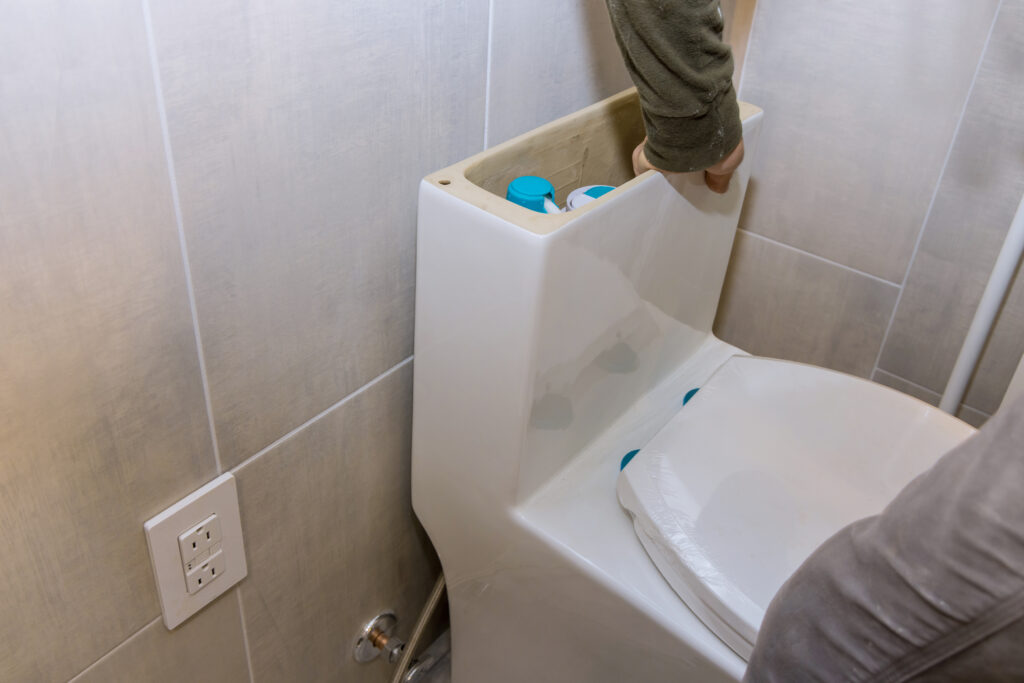
A running toilet is more than just a nuisance, it’s a silent water waster that can inflate your utility bills without notice. Fortunately, achieving a toilet running fix doesn’t have to involve guesswork or endless trials. With the right approach, residents in Clarksburg, MD, and surrounding areas like Kensington and Rockville can find relief. This guide will help you pinpoint the cause of your running toilet and offer reliable solutions to address the issue effectively.
Understanding the mechanics behind your toilet’s operation is the first step toward a fix. Most problems stem from issues within the tank, which houses components critical to your toilet’s functionality. By familiarizing yourself with these parts, you equip yourself with the knowledge needed to diagnose issues accurately. Whether you’re in Clarksburg or Kensington, MD, this understanding is your first line of defense against a continuously running toilet.
Next, identifying common culprits behind a running toilet can significantly narrow down your troubleshooting efforts. From a flapper that doesn’t seal properly to a fill valve that’s seen better days, the cause is often simpler than expected. Residents in Rockville, MD, have found that sometimes, a minor adjustment or part replacement is all that’s needed for a successful toilet running fix.
Finally, remember that not all toilet issues are DIY-friendly, and there’s no shame in seeking professional help. Clarksburg Plumbing stands ready to assist homeowners throughout Clarksburg, MD, and beyond. Whether your toilet running fix requires a simple tweak or a more comprehensive approach, our expertise ensures that your running toilet will be a thing of the past, without the guesswork.
Understanding Why Your Toilet Keeps Running
Toilet running fixes often start with understanding why the toilet keeps running. One common reason is a problem with the flapper. This rubber piece seals water in the tank, but over time, it can wear out or become misaligned. When this happens, water leaks from the tank into the bowl, causing the toilet to run continuously.
Another frequent cause is an issue with the fill valve. This component controls the water flow into the toilet tank after flushing. If it’s malfunctioning or improperly adjusted, it can lead to an overflow of water, which forces the toilet to keep running. Residents in Kensington, MD, have found that adjusting or replacing the fill valve often stops the unwanted flow.
The chain attached to the flapper can also be at fault. If it’s too short, it won’t allow the flapper to close fully, and if it’s too long, it can get caught under the flapper, preventing a proper seal. A quick adjustment of the chain length can be a simple toilet running fix that restores peace and quiet.
Lastly, the toilet’s float ball might not be set correctly. This ball floats on the surface of the water in the tank and tells the fill valve when to stop adding water. If set too high, the tank overfills, causing water to run into the overflow tube. Adjusting the float to the correct level is a straightforward toilet running fix that residents in Rockville, MD, can easily manage.
Toilet Running Fix: Checking the Flapper
In tackling a toilet running fix, checking the flapper is often your next logical step after identifying the potential causes of a running toilet. The flapper is a critical component that, when functioning properly, prevents water from continuously leaking from the tank into the bowl. Over time, however, it can wear out or become misaligned, leading to persistent running. Residents in Kensington, MD, have found that inspecting the flapper for signs of wear or misalignment is a crucial step in solving this issue.
When examining the flapper, it’s important to ensure that it forms a complete seal around the opening at the bottom of the tank. Even the smallest gap can allow water to leak, causing the toilet to run. If you notice any cracks, warping, or if the flapper doesn’t sit flush, it’s time for a replacement. This simple change can often be the key to a successful toilet running fix.
Another aspect to consider is the compatibility of the replacement flapper with your toilet model. Toilets vary, and using the wrong type of flapper can lead to inefficient sealing and continued running. Homeowners in Rockville, MD, have discovered that selecting the correct flapper not only stops the water waste but also improves the overall efficiency of their toilets.
Lastly, installing the new flapper correctly is paramount to ensuring it functions as intended. Make sure it’s securely attached to the tank’s base and that the chain length is adjusted so the flapper can fully lift and close without hindrance. This attention to detail can make all the difference in achieving a lasting toilet running fix, restoring peace of mind and contributing to water conservation efforts in your home.
Adjusting the Float to Stop the Leak
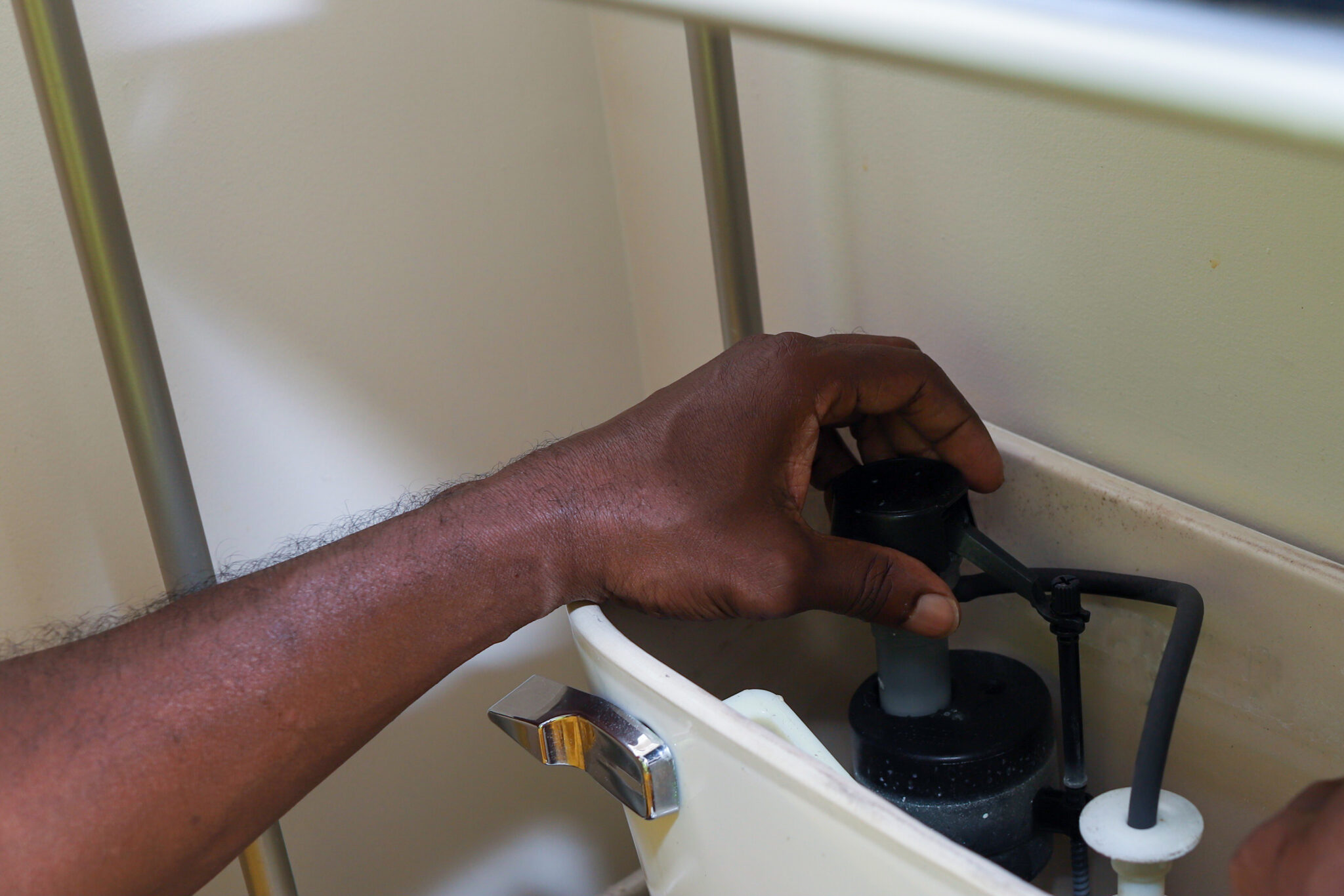
Adjusting the float is a crucial step for a toilet running fix, especially after you’ve checked the flapper and other components. If the water level in your tank is too high, it can lead to continuous running. By lowering the float, you encourage the tank to fill to an appropriate level, stopping the overflow. This simple adjustment can be the solution homeowners in Kensington, MD, need to stop their toilets from running unnecessarily.
Understanding how the float works is key to this process. The float signals the fill valve to shut off once the water reaches a certain height. If incorrectly set, it fails to give the proper signal, leading to excess water flow. Residents in Rockville, MD, have found success in carefully adjusting the float, ensuring their toilets fill correctly and don’t waste water.
Sometimes, the type of float your toilet uses may affect how you approach this fix. There are two main types: ball floats, which are more common in older toilets, and cup floats, found in newer models. Each type has a specific way to adjust it, but both aim to achieve the same result, a toilet that fills to the right level and then stops.
Finally, if adjusting the float doesn’t resolve the running toilet, it might indicate a more complex issue. In such cases, reaching out to professionals like Clarksburg Plumbing can save time and further frustration. They have the expertise to diagnose and fix any underlying problems, ensuring your toilet running fix is successful and sustainable.
Inspecting the Fill Valve for a Solution
After adjusting the float without success, the next step in a toilet running fix involves inspecting the fill valve. This component is crucial for controlling the water flow into the tank and can be the source of your troubles if malfunctioning. Residents in Kensington, MD, have found that a faulty fill valve often leads to a running toilet by failing to shut off water properly. Checking this part for damage or wear can reveal whether it needs adjusting or replacing to halt the water waste.
When inspecting the fill valve, it’s important to look for signs of mineral buildup or corrosion, which can impair its function. Sometimes, simply cleaning the valve can restore its operation and provide a straightforward toilet running fix. However, if cleaning doesn’t do the trick, the valve might require adjustment or even replacement. This toilet running fix can be a bit more involved but is essential for stopping the continuous flow of water.
Replacing the fill valve is a task that homeowners in Rockville, MD, can often undertake themselves with a bit of guidance. The key is to select a compatible replacement valve and follow the manufacturer’s instructions carefully. Ensuring the new valve is properly installed and adjusted can make a significant difference in solving the running toilet issue, providing a sense of accomplishment and relief from the constant sound of water.
If, after inspecting and possibly replacing the fill valve, your toilet continues to run, it may be time to call in the professionals. Clarksburg Plumbing offers the expertise needed to diagnose and fix more complex issues beyond the scope of typical DIY fixes. Their skilled team can ensure your toilet running fix is handled efficiently, restoring your bathroom’s quiet and conserving water in the process.
Toilet Running Fix: Seal and Valve Replacement Tips
After identifying and possibly replacing a faulty fill valve as part of your toilet running fix, the next critical step involves checking the seal between the tank and the bowl. This seal is crucial for preventing leaks that can cause your toilet to run continuously. Homeowners in Kensington, MD, have discovered that even a small breach in this seal can lead to significant water loss. Inspecting this area for any signs of damage and replacing the seal if necessary can effectively stop your toilet from running.
Another important component to examine is the flush valve assembly, which includes the flush valve seal. Over time, this seal can degrade, leading to water leaking from the tank into the bowl, a common cause of a running toilet. Residents in Rockville, MD, often find that replacing the flush valve seal is a straightforward fix that restores the toilet’s proper function. Ensuring a tight and secure fit can prevent future leaks and contribute to water conservation.
When undertaking a toilet running fix, it’s also essential to consider the condition of the fill valve washer. A worn or damaged washer can impair the fill valve’s ability to shut off water flow properly, leading to a running toilet. Replacing the washer is a simple yet effective solution that can make a significant difference in stopping unnecessary water flow. This fix not only addresses the immediate issue but also helps in maintaining the toilet’s efficiency over time.
Finally, for those who have attempted these fixes without success, it may indicate a more complex issue at hand. In such cases, reaching out to a professional plumbing service like Clarksburg Plumbing can provide the expertise required for a comprehensive toilet running fix. Their skilled technicians can identify and resolve any underlying problems, ensuring your toilet operates smoothly and efficiently, saving you from the frustration and water waste associated with a running toilet.
When to Call a Professional for a Running Toilet
Despite your best efforts with various toilet running fixes, there are times when the problem persists, signaling that it’s time to call in the professionals. Homeowners in Kensington, MD, have learned that certain issues, like internal leaks or complex valve malfunctions, require the expertise of a skilled plumber. Attempting to tackle these more intricate problems on your own can lead to frustration and even more significant water waste. Professional plumbers have the tools and knowledge to diagnose and resolve issues quickly, ensuring your toilet operates efficiently.
In Rockville, MD, residents often reach out to professionals when they’ve exhausted all DIY options without success. This approach not only saves time but also prevents potential damage from incorrect fixes. A professional plumber can offer a comprehensive evaluation of your toilet’s condition, identifying not just the obvious issues but also underlying problems that might not be immediately apparent. Their intervention can turn a seemingly endless cycle of repairs into a one-time, lasting fix.
Choosing to hire a professional for your toilet running fix also brings peace of mind. Knowing that an expert is handling the job means you can trust that the repair will be thorough and durable. Professionals bring a level of precision to the task, using specific parts and techniques best suited to your toilet’s model and make. This attention to detail ensures that the fix addresses the root cause of the running toilet, not just the symptoms.
Finally, enlisting the help of a professional plumbing service like Clarksburg Plumbing can be a cost-effective decision in the long run. While some may hesitate at the thought of professional fees, the truth is that expert repairs can save money by preventing further issues and reducing water waste. Residents in Clarksburg, MD, and surrounding areas have found that investing in professional plumbing services pays off with lower utility bills and the avoidance of future repairs, making it a wise choice for any homeowner facing a stubborn running toilet.
Water Conservation Tips While Performing a Toilet Running Fix
While working on a toilet running fix, incorporating water conservation habits can amplify your efforts and lead to greater savings. For instance, placing a filled water bottle in the toilet tank can reduce the amount of water used per flush, a simple yet effective strategy residents in Kensington, MD, have adopted. This method doesn’t compromise the flushing power but ensures less water is wasted. It’s an easy step that complements the repair process, reinforcing the importance of water conservation in everyday practices.
Another practical tip involves regularly checking your toilet for silent leaks, which can be a hidden source of water waste. A few drops of food coloring in the tank can reveal leaks if the color appears in the bowl without flushing. Homeowners in Rockville, MD, have found this to be an eye-opening experiment, prompting timely repairs that not only fix the running toilet but also prevent water from being wasted unnoticed. This proactive approach helps maintain an efficient toilet while keeping water conservation at the forefront.
Adjusting your water usage habits can also make a significant difference. For example, avoiding the toilet as a trash can for tissues or other waste reduces unnecessary flushes. Each flush uses several gallons of water, so limiting flushes to their intended purpose can contribute significantly to household water savings. It’s a shift in behavior that complements a toilet running fix, ensuring that every drop of water is used wisely.
Lastly, considering low-flow toilet models as a long-term solution can offer substantial water savings. Modern low-flow toilets are designed to use significantly less water per flush without sacrificing performance. This upgrade not only addresses the immediate issue of a running toilet but also aligns with broader water conservation goals. For those in Clarksburg, MD, and surrounding areas, investing in such technology can be a forward-thinking move towards sustainability and efficiency in home plumbing systems.
Preventing Future Toilet Running Issues
After successfully applying a toilet running fix, taking steps to prevent future issues is crucial. Regular maintenance checks can serve as an early warning system for potential problems. For instance, inspecting the toilet’s internal components, such as the flapper and fill valve, every few months ensures they are in good condition. This proactive approach helps residents in Kensington, MD, avoid the inconvenience of a running toilet, maintaining efficiency and saving water.
Educating everyone in your household about what should not be flushed down the toilet can also play a significant role in preventing blockages and related running toilet issues. Items like wipes, cotton balls, and other non-decomposable materials can cause clogs that lead to continuous running or overflow. By promoting responsible usage, families in Rockville, MD, can protect their plumbing systems and minimize the need for repairs.
Another effective preventive measure is to consider the installation of a water conservation kit. These kits can adjust the amount of water used per flush, reducing the strain on the toilet’s mechanical parts. It’s a smart investment that not only contributes to water savings but also extends the lifespan of your toilet’s components, ensuring they function properly for years to come.
Lastly, staying informed about the latest water-saving technologies and toilet designs can offer long-term benefits. Upgrading to a high-efficiency toilet model when it’s time for a replacement can drastically reduce water usage and prevent common issues that lead to a running toilet. By embracing these advancements, homeowners in Clarksburg, MD, and surrounding areas can enjoy peace of mind, knowing their toilets are both eco-friendly and less likely to encounter running problems.
Toilet Running Fix Frequently Asked Questions
What causes a toilet to run?
A running toilet often stems from issues inside the tank. Faulty flappers or fill valves can cause water to leak, leading to constant running. Over time, these parts may wear out or become misaligned. Regular checks and maintenance can prevent water waste and ensure a reliable toilet running fix.
How do you diagnose a running toilet?
To diagnose a running toilet, start by listening for a hissing sound, indicating a leak. Next, check the water level in the tank to see if it’s too high and spilling into the overflow tube. Inspect the flapper and chain for proper function and alignment. Finally, a dye test in the tank can reveal hidden leaks, guiding you to the right toilet running fix.
What tools are needed for a Toilet Running Fix?
For a toilet running fix, a few basic tools are essential. Start with an adjustable wrench and a pair of pliers for loosening and tightening parts. A screwdriver will come in handy for adjusting the flush mechanism. Lastly, consider having a replacement flapper or fill valve, as these are often the culprits. With these tools, you’re well-equipped to tackle most issues causing a toilet to run.
Can a Toilet Running Fix save money?
Absolutely, a toilet running fix can lead to significant savings on your water bill. Fixing a leak stops the wasteful flow of water, cutting down on unnecessary costs. Over time, these savings can add up, making the repair well worth it. Moreover, addressing the issue promptly prevents further damage and potential expense.
How often should toilet components be replaced?
Toilet components should be replaced every few years to ensure everything runs smoothly. Over time, parts like the flapper and fill valve can wear out, leading to leaks. Regular maintenance checks can help identify when replacements are necessary. This proactive approach prevents running toilets and conserves water, keeping your system efficient.