


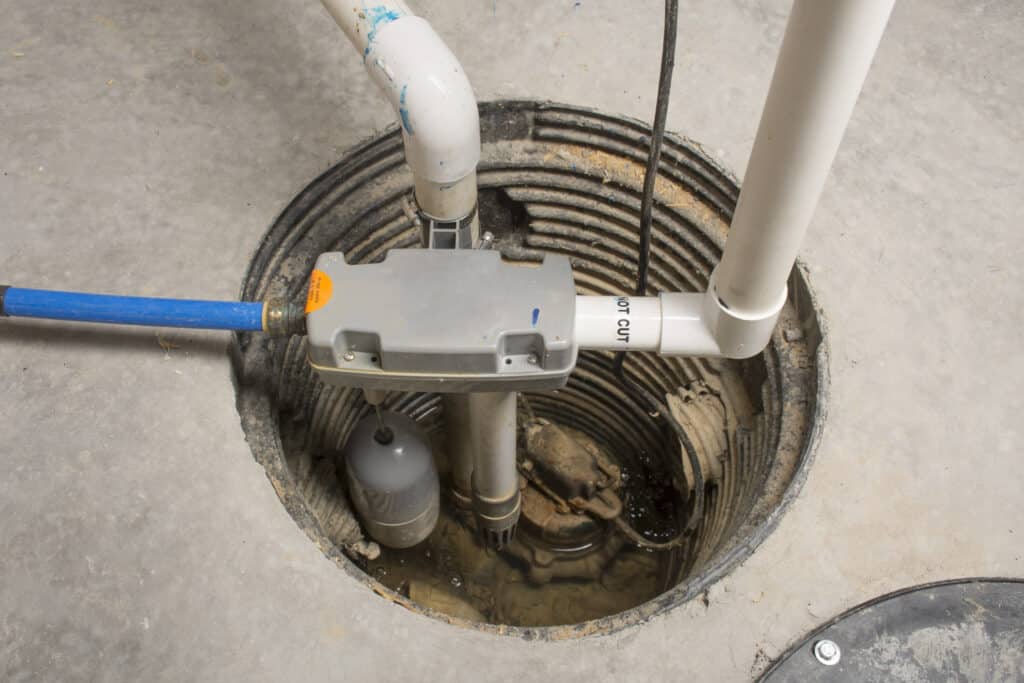
When it comes to maintaining a comfortable and safe home in Clarksburg, MD, understanding the role of your basement ejector pump is crucial. This essential piece of equipment ensures that wastewater and sewage are efficiently removed from your basement, preventing unwanted backups and maintaining the hygiene of your living space. However, like any mechanical system, ejector pumps can encounter issues, leading to the need for troubleshooting and repair. Recognizing the signs of trouble early can save you from costly damages and ensure your system runs smoothly.
Alarm indicators on your basement ejector pump serve as the first line of defense against potential failures. If you hear an unexpected alarm, it’s a signal that something is amiss with your system. Whether it’s a power failure, a clogged pump, or a full tank, identifying the cause early can prevent a minor issue from becoming a major headache. Residents of Clarksburg, MD, and surrounding areas like Poolesville, MD, benefit greatly from knowing these warning signs.
Regular maintenance is key to the longevity and efficiency of your basement ejector pump. Simple routines like checking for clogs, ensuring the float switch is free-moving, and listening for unusual noises can significantly extend the life of your pump. By keeping an eye on these aspects, homeowners can avoid the inconvenience and expense of emergency repairs.
When repairs are necessary, it’s important to consult with professionals who specialize in basement ejector pump services. Attempting to fix complex issues without the proper knowledge can lead to further damage and even higher repair costs. For residents in Clarksburg, MD, and the surrounding communities, seeking expert advice and service can make the process of troubleshooting and repairing your ejector pump straightforward and stress-free.

Understanding the Purpose of a Basement Ejector Pump
Understanding the purpose of a basement ejector pump is essential for homeowners in Clarksburg, MD, and beyond. This device plays a critical role in managing wastewater and sewage from basement fixtures such as bathrooms and laundry rooms. By pumping these waste materials into the sewer line, it ensures that your basement remains dry and sanitary. Knowing how this system works can help you identify issues before they escalate.
A basement ejector pump is designed with a sealed container that collects waste water. Once the water reaches a certain level, a float switch activates the pump. This mechanism then forces the water out of the basement and into the main sewer line. Keeping this process in mind helps homeowners understand the importance of regular maintenance.
In areas like Poolesville, MD, where basements are common, the ejector pump is a homeowner’s ally against potential flooding and sewage problems. Regular checks can prevent common issues such as clogs or float switch malfunctions. By staying proactive, residents can ensure their ejector pumps operate efficiently, avoiding unexpected disruptions.
However, when problems arise, it’s crucial to act swiftly. Ignoring or delaying repairs can lead to more significant issues, including basement flooding or sewage backup. Homeowners should seek professional assistance at the first sign of trouble. Experts in basement ejector pump services can diagnose and fix problems, ensuring your home stays clean and dry.
Common Alarm Indicators and What They Mean
Understanding the alarm indicators on your basement ejector pump is crucial for keeping your home in Clarksburg, MD, safe and dry. When the alarm sounds, it often signals a high water level in the basin, which could mean a potential overflow or backup is imminent. This could be due to a power outage, pump failure, or clog in the system. Promptly addressing these alarms can prevent more serious issues from developing.
In Poolesville, MD, residents may also encounter alarms indicating a pump jam or mechanical failure. If the pump fails to start, it could be a sign of electrical issues or a stuck switch. These alarms are designed to alert homeowners early, allowing for quick intervention before the situation worsens. Regularly testing the alarm system ensures it’s working correctly when you need it most.
Maintenance checks can help identify problems before they trigger an alarm. Homeowners should listen for unusual noises from their basement ejector pump, which can indicate a malfunction or obstruction. Ensuring the float switch moves freely and isn’t hindered by debris is another simple yet effective preventative measure. These steps can significantly reduce the risk of emergencies and the need for costly repairs.
When an alarm does sound, consulting with a professional experienced in basement ejector pump services in Clarksburg, MD, is wise. They can accurately diagnose the issue and recommend the best course of action. Ignoring alarm signals or attempting DIY repairs without proper knowledge can lead to further damage, emphasizing the importance of expert involvement. By staying alert to these common indicators, homeowners can maintain a functional and efficient ejector pump system.
Routine Maintenance for Your Basement Ejector Pump
Keeping your basement ejector pump in top condition requires a commitment to routine maintenance. This not only ensures the efficient operation of your system but also prevents unexpected breakdowns. For homeowners in Clarksburg, MD, incorporating a simple checklist for inspecting the pump, float switch, and other components can make a significant difference. Regularly removing debris and ensuring no blockages are present will keep your pump running smoothly.
In addition to visual inspections, listening for any unusual sounds coming from your pump can be a telltale sign of an issue. Sounds such as grinding, humming, or silence when the pump should be operating indicate it’s time for a closer look. Homeowners in Poolesville, MD, find that catching these early warning signs can save a lot of time and money on repairs. It’s all about staying one step ahead of potential problems.
Another key aspect of maintenance is testing the float switch and the alarm system periodically. This ensures they are functioning correctly and will alert you to any high water levels or system failures. By simulating conditions that trigger the pump, homeowners can have peace of mind knowing their system is ready to handle any situation. This proactive approach is crucial for keeping your basement dry and your home safe.
Finally, consulting with professionals for an annual check-up of your basement ejector pump can uncover issues you might have missed. Experts can provide a thorough assessment and perform any necessary adjustments or repairs. This annual visit is an investment in the longevity of your pump and the safety of your home. By following these maintenance tips, homeowners ensure their basement ejector pump remains a reliable protector against water and sewage issues.
Troubleshooting Tips for a Non-Working Ejector Pump
When your basement ejector pump stops working, the first step is to check the power supply. Ensure that the pump is plugged in and that the circuit breaker hasn’t tripped. A simple reset can sometimes get your pump running again. This initial check can save you time and avoid unnecessary repairs.
If power isn’t the issue, inspect the float switch. Sometimes, it can get stuck or obstructed, preventing the pump from activating. Gently adjust the float to see if it’s moving freely. This quick fix can often get your ejector pump back in action without needing to call in a professional.
Another common problem is a clogged or blocked discharge line. Debris or buildup can restrict water flow, causing the pump to work harder or not at all. Clearing the line in Clarksburg, MD, can be a straightforward task, but always exercise caution to avoid damage to the pipes or pump.
Lastly, if these steps don’t resolve the issue, it might be time to consult with a professional in Poolesville, MD. Experts can diagnose more complex problems, such as mechanical failures within the pump itself. Attempting to fix these issues without the proper knowledge can lead to further damage, so it’s best to seek professional help.
How to Safely Clean and Inspect Your Ejector Pump
Safely cleaning and inspecting your basement ejector pump is a crucial part of maintaining your home’s wastewater system. Start by turning off the power to ensure a safe working environment. This precaution prevents any accidental activation of the pump while you’re inspecting it. Residents in Clarksburg, MD, understand the importance of this safety step, as it protects both the homeowner and the equipment.
Next, remove any debris or obstructions from around the pump and in the basin. Over time, items like wipes, hair, and other materials can accumulate, hindering the pump’s performance. Homeowners in Poolesville, MD, find that regular cleaning helps maintain the efficiency of their basement ejector pump. This simple task can prevent unexpected failures and extend the life of the pump.
Inspecting the float switch for free movement is also essential. If the switch is stuck or hindered by debris, it may not activate the pump when needed, leading to potential flooding. A quick adjustment or cleaning can ensure that it operates smoothly. This step is crucial for avoiding water damage and ensuring that your pump responds correctly to rising water levels.
Finally, examine the discharge line for any signs of blockage or damage. A clear path is vital for the efficient operation of your basement ejector pump. If any issues are found, addressing them promptly can save you from future headaches. For those in Clarksburg, MD, and Poolesville, MD, keeping these lines clear is key to a fully functional ejector pump system.

When to Call a Professional for Ejector Pump Repairs
Knowing when to seek professional help for your basement ejector pump issues can save you both time and money. If you’ve tried troubleshooting common problems like power supply issues, stuck float switches, or clearing blocked lines without success, it’s time to call in the experts. Professionals have the tools and knowledge to diagnose and repair more complex issues efficiently. Residents of Clarksburg, MD, benefit from having skilled technicians nearby who specialize in basement ejector pump repairs.
Sometimes, the problem with a basement ejector pump might be beyond what a visual inspection can reveal. If your pump is making unusual noises, such as grinding or humming, even after clearing any visible clogs, a professional should take a look. These sounds can indicate a serious problem within the pump mechanism that requires immediate attention. Experts in Poolesville, MD, are equipped to handle these intricate repairs, ensuring your system operates smoothly.
Attempting DIY repairs on your basement ejector pump can lead to further damage if you’re not familiar with how the system works. Mechanical failures, for instance, are often complex and can worsen without the correct approach. Professionals not only fix the issue at hand but also provide advice on preventing future problems. Their expertise can be invaluable in maintaining a fully functional ejector pump system in your home.
Lastly, regular maintenance by a professional can extend the life of your basement ejector pump and prevent emergencies. An annual inspection by a qualified technician can uncover potential issues before they turn into costly repairs. For homeowners in Clarksburg, MD, and Poolesville, MD, investing in professional maintenance ensures peace of mind and a dry, safe basement year-round.
The Impact of Neglecting Ejector Pump Maintenance
Neglecting the maintenance of your basement ejector pump can lead to significant issues that impact the comfort and safety of your home in Clarksburg, MD. Without regular checks, clogs and mechanical failures can go unnoticed until they cause serious problems. For instance, a blockage in the system can result in a backup of sewage, posing health risks and potential property damage. It’s crucial to stay proactive to avoid such emergencies, ensuring your pump operates efficiently.
In Poolesville, MD, homeowners understand the importance of keeping their ejector pump in good working order. Ignoring routine maintenance can shorten the lifespan of the pump, leading to costly replacements sooner than expected. Regular cleaning and inspections help identify wear and tear early, allowing for repairs before major issues arise. This approach not only saves money in the long run but also keeps your basement dry and sanitary.
The consequences of neglect extend beyond immediate repairs and replacements. A malfunctioning basement ejector pump can drastically reduce the value of your home, making it less appealing to potential buyers. Issues like frequent flooding or sewage backups can be red flags, indicating a lack of proper upkeep. Maintaining your pump not only protects your investment but also enhances your home’s marketability should you decide to sell.
Finally, the peace of mind that comes with a well-maintained ejector pump cannot be overstated. Homeowners in Clarksburg, MD, and Poolesville, MD, can attest to the importance of a reliable system that efficiently handles waste water and sewage. By investing time in regular maintenance, you can rest easy knowing your basement is protected against unexpected issues, keeping your home safe and comfortable for years to come.
Choosing the Right Replacement for Your Basement Ejector Pump
When the time comes to replace your basement ejector pump, choosing the right model is essential for homeowners in Clarksburg, MD. Factors such as the size of your home, the volume of wastewater generated, and the features of the pump play a crucial role in this decision. Opting for a pump that meets the specific needs of your household ensures efficient waste removal and prevents future issues. It’s important to consider pumps with alarms and backup systems for added security.
In Poolesville, MD, residents often look for basement ejector pumps that are known for their durability and reliability. Researching different brands and models helps in understanding which pumps have the best track record. Reading reviews and seeking recommendations from professionals can guide you toward a pump that consistently performs well under the conditions specific to your area. This proactive approach saves time and money in the long run.
Installing a new basement ejector pump requires careful planning and precision. It’s advisable to hire experienced professionals who can ensure the installation is done correctly. They can also advise on the best practices for maintaining your new pump, extending its lifespan significantly. This investment in professional installation and advice pays off by minimizing the risk of future malfunctions.
Lastly, regular maintenance is key to getting the most out of your new basement ejector pump in Clarksburg, MD. Setting a schedule for routine checks and cleanings can prevent common issues that lead to pump failures. Homeowners who prioritize maintenance enjoy a worry-free system that keeps their basements dry and sanitary. By following these steps, you can ensure your ejector pump remains a reliable part of your home’s wastewater management system.
Frequently Asked Questions
Why is my basement ejector pump not working?
A basement ejector pump may stop working due to several reasons, such as clogging, power failure, or a faulty switch. Regular maintenance can prevent most of these issues, ensuring the system runs smoothly. If the alarm sounds, it’s a clear indicator something is wrong. Contacting a professional for repairs or inspection is the best step to take to avoid further damage.
How do I clean the ejector pump?
Cleaning your basement ejector pump is crucial for its performance. First, turn off the power to ensure safety. Then, remove any debris from the pit. Rinse the pump with water, being careful not to damage any parts. Regular cleaning helps prevent clogs and keeps the pump running smoothly.
What are common ejector pump issues?
Common issues with basement ejector pumps include clogging from debris, motor failure, and switch problems. Over time, wear and tear can lead to leaks or the pump not turning on. Regular checks can catch these issues early, preventing major repairs. If your pump’s alarm sounds, it’s a sign to seek professional help promptly.
When should I replace my basement ejector pump?
Replacing your basement ejector pump becomes necessary when it shows signs of consistent failure despite regular maintenance. If you notice frequent clogs, persistent alarm sounds, or reduced efficiency, it might be time for a new one. Typically, pumps last about 7 to 10 years, so if yours is older, consider an upgrade. Contacting a professional for an assessment ensures you make the right decision for your home’s needs.
Can I prevent ejector pump failures?
Yes, preventing basement ejector pump failures is possible with regular maintenance. Check the system for clogs and clear debris regularly. Ensure the pump and its components are in good working order. Scheduling annual inspections by a professional can also help catch issues before they lead to failures.