


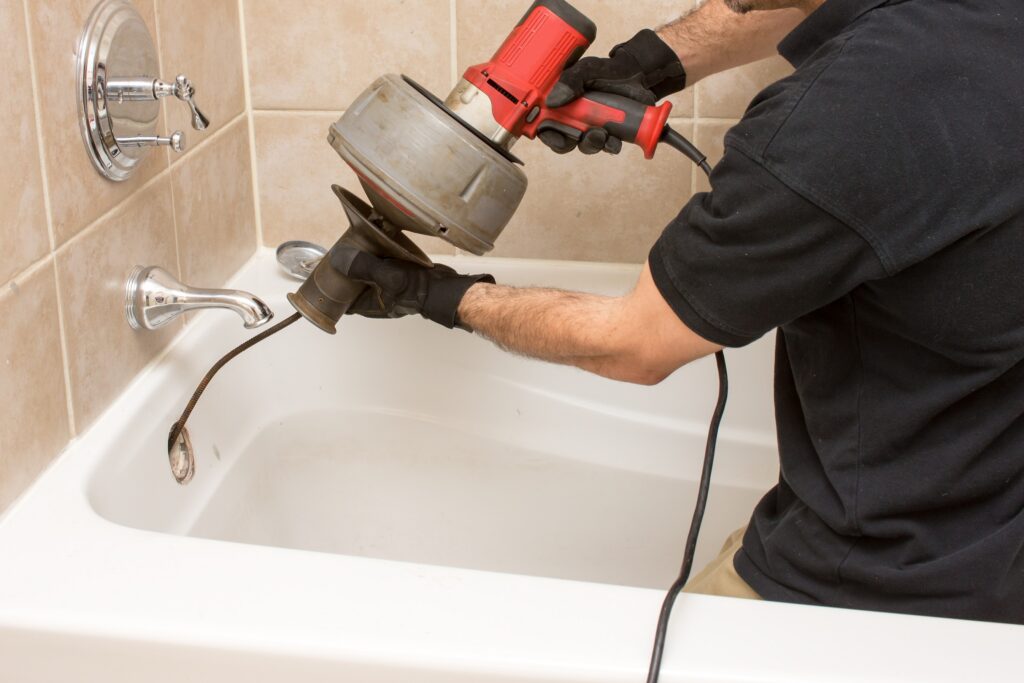
A slow-draining tub can quickly become a frustrating problem in any home. Tub drain snaking offers a safe and effective solution without harsh chemicals. Homeowners in Beallsville, MD, and North Bethesda, MD, often face stubborn clogs that require the right approach. Addressing these issues early helps prevent bigger plumbing headaches down the line.
Many people turn to chemical cleaners, but these can damage pipes and harm the environment. Tub drain snaking uses a mechanical cable to clear obstructions gently and efficiently. This method is ideal for preserving your plumbing system’s integrity and avoiding unnecessary repairs. With the right tools and knowledge, the process is both safe and reliable.
Proper tub drain snaking starts with selecting the correct cable and knowing where to access the drain. Each tub and clog may require a different approach, so preparation is key. Understanding the basics ensures you avoid common mistakes and keep your bathroom running smoothly. Safety is always a top priority when working with plumbing tools.
Residents in Clarksburg, MD, benefit from professional expertise when handling tough clogs. Even with the right equipment, experience matters for a thorough and safe job. Tub drain snaking performed by skilled technicians can restore water flow without causing damage. Trusting experts ensures your tub stays clear and your plumbing system remains healthy.
Understanding Common Causes of Slow Tub Drains
Understanding why tubs drain slowly helps target the problem before starting tub drain snaking. Hair, soap scum, and debris are common culprits that build up over time. In homes around Beallsville, MD, hard water minerals can also contribute to stubborn clogs. These blockages often settle just beyond the drain cover, making them tough to remove without the right tools.
Children’s bath toys or small objects sometimes slip into the drain unnoticed. Over months, these items collect residue and create a firm obstruction. Soap and shampoo residues combine with hair to form sticky clumps. This buildup restricts water flow and leads to standing water after every bath.
Older plumbing systems in North Bethesda, MD, may have pipes that collect sediment more easily. Rust, mineral deposits, and aging pipes can trap debris and worsen slow drainage. Frequent snaking helps prevent these materials from causing bigger issues. Recognizing these factors ensures the right approach for each unique situation.
Tub drain snaking addresses these causes without introducing harsh chemicals into your plumbing. By identifying what’s causing the blockage, you can select the proper cable and access point. This careful preparation ensures a safe and thorough cleaning process. Regular maintenance and awareness help keep your tub draining freely all year.

Why Avoid Chemical Drain Cleaners
Many homeowners reach for chemical drain cleaners when faced with a slow tub drain. However, these products can corrode pipes and weaken plumbing over time. Tub drain snaking avoids these risks by using physical force to clear blockages safely. This approach protects your plumbing and keeps your home in Beallsville, MD, free from unnecessary damage.
Chemical cleaners also pose environmental hazards, as their harsh ingredients can seep into groundwater and harm local ecosystems. Tub drain snaking eliminates the need for these toxic substances, offering a greener solution for your bathroom. Choosing mechanical methods helps maintain both your pipes and the surrounding environment. Protecting water quality benefits everyone in the community.
In homes around North Bethesda, MD, older pipes are especially vulnerable to chemical damage. Corrosive cleaners can accelerate wear, leading to leaks or expensive repairs. Tub drain snaking preserves the integrity of aging plumbing systems by removing clogs without harsh reactions. This gentle method extends the life of your pipes and prevents future issues.
Safety is another important factor to consider when clearing a slow drain. Chemical cleaners can cause burns, release fumes, and require careful handling. Tub drain snaking, when done properly, is safer for both the user and the plumbing system. Taking the mechanical route ensures a clean, efficient, and hazard-free solution for slow tub drains.
Essential Tools for Tub Drain Snaking
Having the right tools is crucial for successful tub drain snaking. A quality drain snake, also called a plumbing auger, is the main tool used. Choose a cable with the proper length and thickness for your tub’s drain size. For most bathroom tubs, a 1/4-inch or 5/16-inch cable reaches clogs without damaging pipes.
Accessing the drain is the next important step. Most tubs have an overflow plate that can be removed to reach the drain line. Insert the snake through this opening for better control and reach. This method works well for homes in Beallsville, MD, with older tubs and hidden clogs.
A pair of gloves protects your hands during tub drain snaking. Safety goggles are also helpful to shield your eyes from debris or splashes. Keep a bucket and towels nearby to catch any water or residue. These simple precautions help maintain a clean and safe workspace.
A flashlight can help you see into the drain and spot blockages. Manual snakes are best for minor clogs, while power augers tackle tougher jobs. Always follow the manufacturer’s instructions for safe and effective use. With the right tools and careful handling, tub drain snaking clears slow drains efficiently in homes across North Bethesda, MD.
Choosing the Right Cable for Tub Drain Snaking
Selecting the correct cable is essential for safe and effective tub drain snaking. Cable thickness and length should match your tub’s drain and the type of clog. For most bathroom tubs, a 25-foot cable is sufficient to reach common blockages. A thinner cable, such as 1/4 inch, navigates tight bends without damaging pipes.
Heavier or larger cables are best for tough, deep clogs but can harm delicate plumbing if used incorrectly. In Beallsville, MD, older homes may have narrower pipes that require a flexible, smaller cable. Using the wrong size may cause the cable to get stuck or scratch the inside of the drain. Always check your tub’s specifications before choosing a cable for tub drain snaking.
The cable’s tip also matters for clearing different types of clogs. A straight tip works well for hair and soft debris, while a coil or corkscrew tip grabs tougher obstructions. For homes in North Bethesda, MD, where mineral buildup is common, a specialized tip may be more effective. Matching the tip to the clog ensures a thorough and safe cleaning process.
When performing tub drain snaking, feed the cable slowly and avoid forcing it through tight spots. Gentle, steady pressure helps the cable move around bends and reach the blockage. Retract the cable carefully to avoid splashing or damaging the drain. This careful approach protects your plumbing and keeps your bathroom clean.
Identifying Safe Access Points for Snaking
Identifying the correct access point is crucial for safe and successful tub drain snaking. Most tubs have an overflow plate located above the drain spout. Removing this plate gives you direct access to the main drain line. This method allows the cable to reach clogs more effectively than snaking through the drain opening.
In many homes around Beallsville, MD, the overflow opening is the preferred entry point for tub drain snaking. It provides a straight path to the clog and avoids damaging the drain cover. Always turn off the water and place a towel under the area before removing the plate. This keeps your workspace clean and prevents water from spilling onto the floor.
For some tubs, especially older models in North Bethesda, MD, the drain stopper must be removed before snaking. Carefully lift or unscrew the stopper to reveal the drain entrance. If the stopper is stuck, use gentle pressure to avoid breaking any parts. Once removed, insert the snake slowly to maintain control and prevent pipe damage.
Never force the cable through tight or unfamiliar access points during tub drain snaking. Forcing can damage pipes or create new problems in your plumbing system. Always use the access point designed for your tub’s model and layout. This careful approach ensures safe, efficient clog removal and keeps your bathroom plumbing in top condition.
Step-by-Step Tub Drain Snaking Process
Start by assembling your tools and preparing your workspace for tub drain snaking. Put on gloves and safety goggles to protect yourself from debris or splashes. Remove the overflow plate or drain stopper, depending on your tub’s design. Place towels and a bucket nearby to catch any water or residue.
Insert the snake’s cable gently into the chosen access point. Feed the cable slowly, turning the handle clockwise to help it move through bends. Keep steady, gentle pressure as you advance the cable toward the clog. Avoid forcing the cable, as this can damage pipes or fixtures.
Once you feel resistance, continue turning the handle to break up or latch onto the blockage. Move the cable back and forth to dislodge hair, soap scum, or debris. When the resistance lessens, carefully retract the cable, bringing the clog material out with it. Wipe the cable clean as you remove it from the drain.
Flush the drain with warm water to check if the blockage is cleared and the tub drains smoothly. Reinstall the overflow plate or stopper securely to finish the job. In homes across Beallsville, MD, and North Bethesda, MD, this method restores proper water flow without chemicals. Tub drain snaking keeps your plumbing safe and your bathroom clean.
Safety Tips During Tub Drain Snaking
Safety should always come first when performing tub drain snaking. Wear sturdy gloves to protect your hands from sharp debris and bacteria inside the drain. Safety goggles are important to shield your eyes from splashes or flying particles. Keeping your workspace well-lit helps you see clearly and avoid accidental injuries.
Work slowly and never force the cable during tub drain snaking. Forcing the tool can cause it to kink or damage your pipes. If you meet strong resistance, withdraw the cable and reassess before continuing. This approach reduces the risk of harming your plumbing system.
Always unplug electrical devices near the tub before starting any drain work. Water and electricity are a dangerous mix, so keep the area dry and safe. Place towels and a bucket nearby to catch any spills or splashes. This simple preparation helps prevent slips and keeps your bathroom tidy.
After tub drain snaking, clean your tools thoroughly to remove bacteria and residue. Wash your hands with soap and water, even if you wore gloves. Proper cleanup protects your health and extends the life of your equipment. Residents in North Bethesda, MD, and Beallsville, MD, can enjoy peace of mind by following these safety tips.

Preventing Future Tub Drain Clogs
Preventing future clogs starts with everyday habits that protect your plumbing. Use a drain strainer to catch hair and debris before they enter the pipes. Clean the strainer regularly to keep water flowing smoothly. These simple steps reduce the need for frequent tub drain snaking.
Be mindful of what goes down the drain during baths and showers. Avoid rinsing large amounts of soap, oils, or bath products into the tub. Dispose of leftover bath items and small objects in the trash, not the drain. This helps minimize buildup and keeps your plumbing clear.
Flush the drain with hot water once a week to break up minor residue before it becomes a problem. Regular maintenance helps prevent stubborn clogs that require tub drain snaking. In homes around Beallsville, MD, this routine keeps tubs draining efficiently year-round. Consistent care extends the life of your pipes and fixtures.
Schedule professional drain cleaning every year if you experience frequent slow drains. Expert plumbers can spot issues early and provide thorough tub drain snaking when needed. Residents in North Bethesda, MD, benefit from regular inspections to maintain healthy plumbing. Taking these steps ensures your tub remains free of clogs and ready for daily use.
Frequently Asked Questions
What is the safest way to perform tub drain snaking at home?
Tub drain snaking works best when you choose a flexible, properly sized cable designed for bathroom drains. Always access the tub drain through the overflow plate for safer, more effective snaking. Wear gloves and safety goggles to protect yourself from debris and splashes during the process. Use slow, steady movements to avoid damaging pipes while ensuring the tub drain snaking clears the clog completely.
Can tub drain snaking damage my pipes?
Tub drain snaking rarely harms pipes when performed with the correct cable size and proper technique. Using excessive force or the wrong tool can scratch or dent older or fragile plumbing. Always select a flexible cable and insert it gently to avoid unnecessary pressure on the drain walls. When done correctly, tub drain snaking safely removes clogs without causing pipe damage or leaks.
What tools are needed for snaking a tub drain safely?
To perform tub drain snaking safely, you need a hand-crank drain snake, sturdy gloves, and protective safety goggles. Choose a flexible cable designed for bathroom drains to navigate tight bends without causing damage. A flashlight also helps you see into the overflow opening and monitor your progress. With these tools, tub drain snaking becomes a safe and effective way to clear slow or clogged drains.
How often should I snake my tub drain to prevent clogs?
Regular tub drain snaking every six to twelve months helps prevent buildup and keeps water flowing smoothly. If you notice slow drainage or frequent clogs, consider snaking more often to maintain clear pipes. Routine maintenance with tub drain snaking reduces the risk of stubborn blockages and costly repairs. Staying proactive ensures your tub remains free of debris and operates efficiently year-round.
Are there alternatives to chemicals for unclogging a tub drain?
Several safe alternatives to chemicals exist for unclogging a tub drain, including manual tub drain snaking and using a plunger. Hot water flushes and removing visible debris from the drain cover also help restore water flow. Tub drain snaking remains the most effective method for clearing stubborn clogs without risking pipe damage or chemical exposure. Choosing these approaches protects your plumbing and keeps your home environment safe and healthy.