


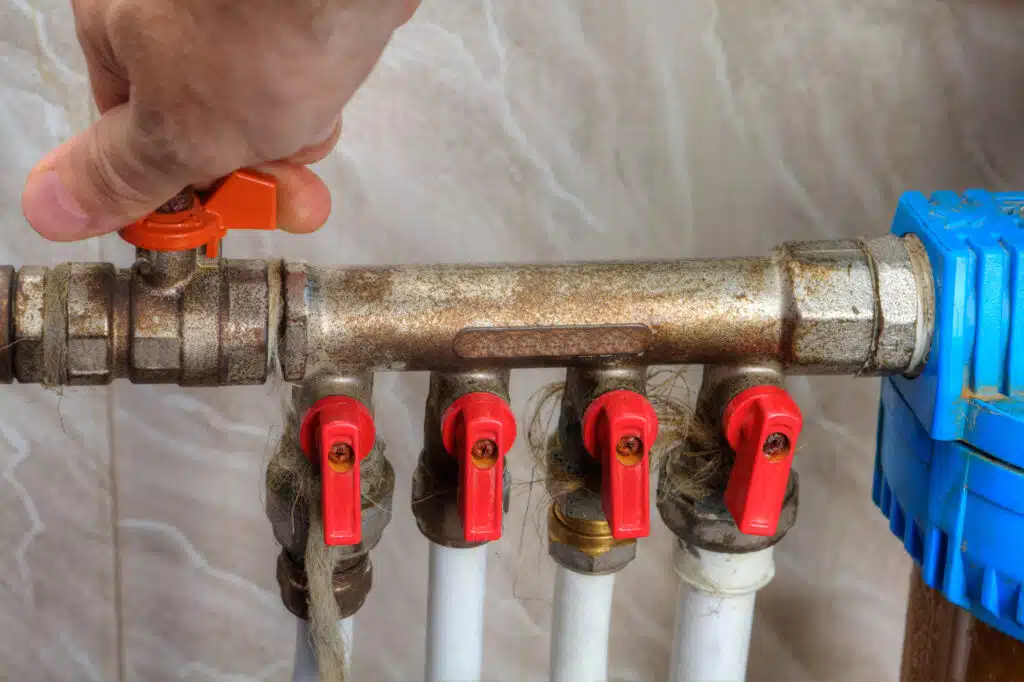
When it comes to maintaining a home in Germantown, MD, understanding the basics of plumbing valves is essential. These components play a crucial role in controlling the flow of water and ensuring the plumbing system operates smoothly. With a variety of plumbing valves available, choosing the right one can seem daunting. However, knowing what to look for makes the selection process much simpler.
In the bustling communities of Germantown and Bethesda, MD, homeowners seek reliable solutions for their plumbing needs. Plumbing valves are at the heart of these solutions, offering the ability to manage water usage effectively. Whether it’s for a major renovation or minor repair, the right valve can make all the difference. It’s about finding a balance between functionality and efficiency.
Selecting the best plumbing valves involves understanding their types and applications. From gate valves to ball valves, each has its unique advantages and specific uses within a home’s plumbing system. This knowledge empowers homeowners to make informed decisions, ensuring their plumbing systems are both durable and dependable. It’s not just about fixing a problem; it’s about enhancing the home’s overall plumbing health.
Ultimately, the goal is to equip homeowners in Germantown, Bethesda, and beyond with the information they need to choose plumbing valves wisely. By focusing on quality and suitability, residents can ensure their plumbing systems are prepared to handle everyday demands and unexpected challenges alike. With the right plumbing valves in place, peace of mind and efficient water management are well within reach.
Understanding the Basics of Plumbing Valves
Understanding the basics of plumbing valves is akin to learning the alphabet before forming words. Just as letters combine to create meaning, different valves serve specific functions within your home’s plumbing system. By grasping these fundamentals, homeowners in Germantown can navigate the vast selection with confidence. This foundational knowledge not only simplifies the choice but also ensures the selected valve perfectly matches their needs.
Each type of valve comes with its own set of characteristics and ideal applications. For instance, ball valves are renowned for their durability and excellent shut-off capabilities, making them a popular choice for main water shutoffs. On the other hand, gate valves, with their ability to provide a secure seal, are often used where a continuous flow of water is necessary. Recognizing these distinctions allows homeowners to tailor their plumbing systems for optimal performance and reliability.
Moreover, the material of the plumbing valves plays a crucial role in their longevity and compatibility with your home’s plumbing. Whether it’s brass, PVC, or stainless steel, each material offers different benefits and potential drawbacks. Homeowners in Bethesda should consider factors such as water quality and the type of pipes in their homes when selecting valve materials. This careful consideration ensures that the chosen valves not only fit but also enhance the plumbing system’s efficiency.
Finally, consulting with a professional can provide invaluable insights into the best plumbing valves for your specific situation. Experts in the field have the experience and knowledge to recommend the most suitable options based on your home’s unique requirements. They can also foresee any potential challenges, helping to avoid future complications. By taking advantage of professional advice, homeowners can make well-informed decisions, ensuring their plumbing systems function seamlessly for years to come.
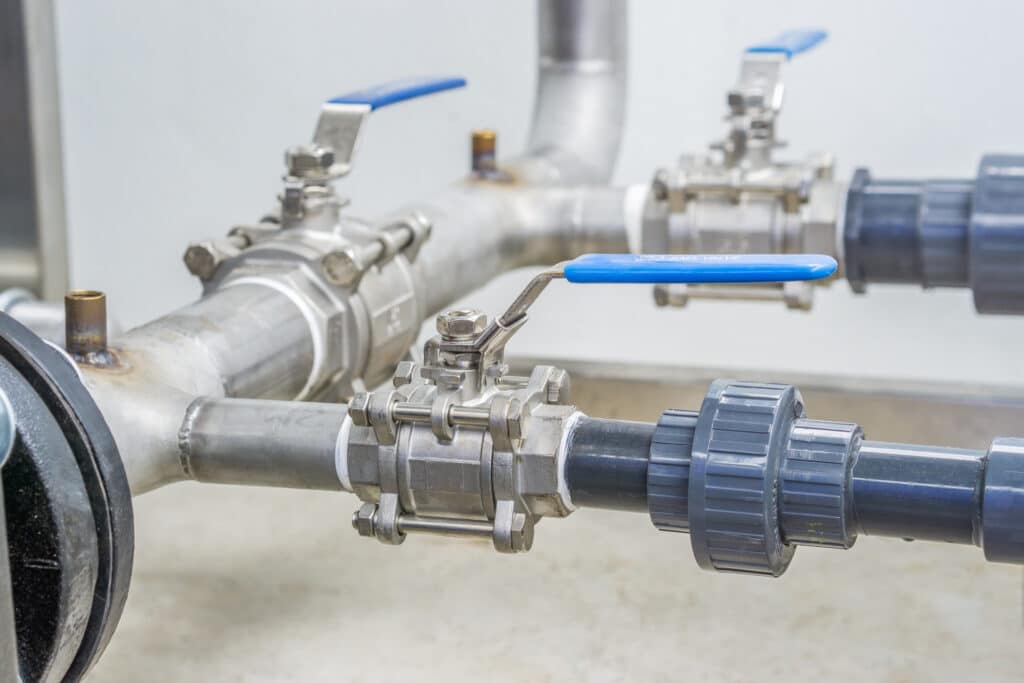
Types of Plumbing Valves and Their Uses
Exploring the different types of plumbing valves reveals a variety of functions tailored to specific needs within a home’s plumbing system. For instance, check valves play a crucial role in preventing backflow, ensuring water moves in one direction and safeguarding against contamination. This feature is particularly beneficial in areas like Germantown, MD, where maintaining water quality is paramount. Homeowners here can greatly benefit from integrating check valves in systems where backflow could be a concern.
Another essential type of valve is the pressure-reducing valve, designed to adjust the water pressure flowing into the home. This is especially useful in regions like Bethesda, MD, where water pressure from the main supply can vary. By installing a pressure-reducing valve, homeowners can protect their plumbing fixtures from damage caused by excessive pressure, extending their lifespan and ensuring efficient operation. It’s a proactive step towards maintaining a balanced and functional plumbing system.
Thermostatic mixing valves offer a unique advantage by blending hot and cold water to reach a safe, predetermined temperature. This mechanism is invaluable in preventing scalding, making it a must-have in homes with young children or elderly residents. The ability to control water temperature with precision enhances safety and comfort, demonstrating how specialized plumbing valves can contribute to a home’s overall well-being. It’s an investment in both safety and convenience, reflecting thoughtful planning in plumbing design.
Lastly, solenoid valves stand out for their ability to control water flow electronically, offering precise management over irrigation systems or automated faucets. These valves are ideal for tech-savvy homeowners seeking modern solutions for water conservation and efficiency. By choosing solenoid valves, residents can enjoy the benefits of advanced technology, optimizing water use while embracing convenience. Each of these plumbing valves serves a unique purpose, highlighting the importance of selecting the right type for your home’s specific needs.
How to Determine the Right Size for Plumbing Valves
Determining the right size for plumbing valves is a critical step in ensuring your home’s plumbing system functions efficiently. In Germantown, MD, homeowners must measure the pipe’s diameter accurately to match the valve size. This ensures a seamless fit, preventing leaks and maintaining optimal water flow. Consulting a sizing chart or seeking professional advice can simplify this process, making selection easier.
The consequences of choosing a valve that’s too large or too small are significant. A valve that’s too big for the pipe can lead to reduced water pressure, affecting the efficiency of your home’s plumbing system. Conversely, a valve that’s too small can restrict water flow, leading to potential damage and inefficiencies. It’s crucial to get the size right the first time to avoid unnecessary adjustments.
In addition to size, the flow rate is another important consideration when selecting plumbing valves. Bethesda, MD, residents should understand their system’s flow rate requirements to choose a valve that can handle the demand. This involves knowing how much water flows through the pipes per minute and selecting a valve that can manage this volume without causing disruptions.
Finally, remember that the right size and type of plumbing valves contribute to the longevity and reliability of your plumbing system. Properly sized valves prevent backflow and leaks, ensuring that your home’s water supply is safe and dependable. By taking the time to determine the correct size, homeowners can enjoy peace of mind, knowing their plumbing system is optimized for both performance and efficiency.
Key Features to Look for in Plumbing Valves
When selecting plumbing valves for a home in Germantown, MD, one key feature to consider is the valve’s operation type. Manual valves, such as ball or gate valves, offer simplicity and reliability for direct control of water flow. On the other hand, automatic valves, like solenoid or thermostatic mixing valves, provide convenience and precision, adjusting flow based on preset conditions. This choice depends on the homeowner’s preference for either hands-on control or automated functionality.
Durability is another critical aspect to look for in plumbing valves. Materials like brass, stainless steel, or PVC each offer different levels of strength and resistance to corrosion. For homes in Bethesda, MD, where water quality and environmental conditions can vary, selecting a valve made from material that can withstand these factors is essential. Durable valves ensure longevity, reducing the need for frequent replacements and maintenance.
Ease of installation and maintenance should also influence the choice of plumbing valves. Some valves come with features that simplify installation, such as push-fit connections that eliminate the need for soldering. Additionally, valves designed for easy access can make routine maintenance or emergency repairs quicker and less intrusive. This convenience can save homeowners time and effort, particularly in emergency situations.
Lastly, homeowners should consider the valve’s compatibility with their existing plumbing system. Ensuring the valve matches the system’s pressure requirements and pipe size prevents issues like water hammer or leaks. It’s also wise to select valves that can be easily integrated with future upgrades or expansions to the plumbing system. This foresight can help maintain a cohesive and efficient water management system throughout the home.
The Importance of Material in Plumbing Valves Selection
When selecting plumbing valves for your Germantown, MD home, the material is a crucial factor to consider. Different materials offer varying levels of durability and resistance to corrosion, which can significantly impact the longevity of your plumbing system. For instance, brass valves are known for their strength and resistance to high temperatures, making them a reliable choice for many households. Homeowners should weigh the benefits of each material against their specific plumbing needs and environmental conditions.
In Bethesda, MD, water quality can influence the type of plumbing valves you choose. Materials like PVC are resistant to chemical erosion, making them ideal for areas with hard water. However, stainless steel valves might be preferable for their aesthetic appeal and resistance to rust, despite potentially higher costs. Understanding the interaction between water quality and valve material can help ensure optimal performance and prevent premature wear.
Ease of maintenance is another important aspect influenced by the choice of material. Valves made from materials that are easy to clean and resistant to buildup, such as brass or stainless steel, can save homeowners time and effort in the long run. This consideration is particularly relevant for valves in hard-to-reach places or those that require frequent checks, ensuring they remain functional and efficient.
Lastly, considering the environmental impact of different materials can guide eco-conscious homeowners in Bethesda and Germantown. Some materials, like PVC, have a lower environmental footprint in production and recycling processes than metals. By choosing materials that align with sustainability goals, homeowners can contribute to environmental conservation while meeting their plumbing needs effectively.
Installation Tips for Plumbing Valves
Installing plumbing valves in your Germantown, MD home requires careful planning and precision to ensure a seamless integration into your plumbing system. Start by thoroughly reading the manufacturer’s instructions, as this will provide valuable insights into the specific requirements for installation. It’s crucial to shut off the main water supply before beginning any work to prevent water damage and ensure a safe working environment. Additionally, gathering all necessary tools and materials beforehand can streamline the process, making the installation more efficient.
When installing plumbing valves, paying attention to the orientation and type of valve is essential. For example, some valves, like check valves, have a direction of flow that must be observed to function correctly. Ensuring the valve is correctly positioned not only guarantees its effectiveness but also prevents potential issues down the line. In Bethesda, MD, where plumbing systems can be complex, this attention to detail is particularly important.
Sealing connections properly is a critical step in the installation of plumbing valves to avoid leaks. Using the appropriate sealant, such as Teflon tape or pipe dope, can create a watertight seal that stands the test of time. It’s important to apply the sealant carefully, avoiding excess that could interfere with the valve’s operation. This meticulous approach helps maintain the integrity of your plumbing system and reduces the need for future repairs.
Finally, testing the installed plumbing valves is an indispensable part of the process. Once the installation is complete, slowly turn the water supply back on and check for any signs of leaks or malfunction. This immediate test allows you to address any issues before they become larger problems. Regular maintenance and checks can extend the life of your plumbing valves, ensuring they provide reliable service for years to come.
Maintenance and Care for Plumbing Valves
Maintaining plumbing valves in your Germantown, MD home is essential for ensuring a smoothly running plumbing system. Regular checks can prevent common issues like leaks or corrosion, which can lead to more significant problems if left unattended. It’s wise to familiarize yourself with the basic maintenance routines suitable for the type of valves you have installed. This proactive approach not only extends the lifespan of your plumbing valves but also guarantees their efficiency and reliability.
For homeowners in Bethesda, MD, understanding when to seek professional help is crucial. While some maintenance tasks can be easily handled, others might require the expertise of a skilled plumber. Identifying signs of wear or damage early can save you from costly repairs down the line. It’s beneficial to establish a relationship with a trusted plumbing service that can provide regular inspections and maintenance.
Cleaning your plumbing valves is another important aspect of their care. Accumulation of sediment or mineral deposits can affect the valve’s function, potentially leading to blockages or reduced water flow. Using the appropriate cleaning agents and techniques for your valves’ material ensures they remain in good condition. This simple yet effective practice contributes significantly to maintaining optimal performance throughout your plumbing system.
Lastly, educating yourself on the specific needs of your plumbing valves can make a big difference. Each type of valve may have unique requirements in terms of lubrication or adjustments to keep them operating smoothly. Homeowners should take the time to learn these details, as well-kept plumbing valves are less likely to encounter issues. By adopting a routine maintenance schedule, you ensure the longevity and reliability of your home’s plumbing infrastructure.
Common Mistakes to Avoid When Choosing Plumbing Valves
Choosing the right plumbing valves for your home in Germantown, MD, involves more than just understanding their types and functions. A common mistake is overlooking the compatibility of the valve with your home’s water system. This can lead to issues such as water hammer or leaks, which compromise the system’s efficiency. Ensuring the valve matches your system’s pressure and pipe size is crucial for optimal performance.
Another pitfall to avoid is neglecting the importance of material quality. Homeowners sometimes opt for cheaper options to save upfront costs, not considering the long-term implications. In Bethesda, MD, where water conditions can vary, selecting high-quality materials like brass or stainless steel can prevent corrosion and extend the valve’s lifespan. Investing in durable materials pays off by reducing the need for frequent replacements.
Ignoring professional advice is also a mistake that can lead to selecting unsuitable plumbing valves. Experts bring a wealth of experience and can foresee potential complications with certain types of valves in your specific setting. Their recommendations can save you from costly errors and ensure that your plumbing system operates smoothly. Consulting with a professional can provide peace of mind and safeguard your home against future plumbing issues.
Lastly, underestimating the importance of maintenance is a misstep that homeowners should avoid. Regular checks and cleanings extend the life of plumbing valves and maintain their efficiency. Failing to perform these simple tasks can lead to blockages, leaks, and other preventable problems. A routine maintenance schedule is essential for keeping your plumbing system in top condition, ensuring reliability and energy efficiency.

Frequently Asked Questions
What are the types of plumbing valves?
Plumbing valves come in various types, each serving a unique purpose in your home’s water system. Ball valves are popular for their durability and excellent shut-off capabilities, making them ideal for main water shutoffs. Gate valves, on the other hand, offer precise flow control, perfect for applications where water flow needs to be adjusted. For those needing to prevent backflow, check valves are the go-to choice, ensuring water flows in one direction only.
How do I know which valve size I need?
Choosing the right size for plumbing valves is crucial for your home’s water system efficiency. First, check the pipe’s diameter where you plan to install the valve. This measurement guides you in selecting a valve that fits perfectly, ensuring no leaks or flow restrictions. Always consult with a professional, like those at Clarksburg Plumbing, to make an informed decision tailored to your specific needs.
What are common plumbing valve materials?
Plumbing valves are made from different materials, each offering unique benefits. Brass valves are popular for their durability and resistance to high temperatures. Plastic valves, on the other hand, are lightweight and cost-effective, making them a great choice for many homes. Stainless steel valves stand out for their ability to resist corrosion, ideal for areas with hard water. Each material suits various needs, ensuring homeowners can find the right fit for their system.
How do plumbing valves affect water pressure?
Plumbing valves play a key role in managing your home’s water pressure. By controlling flow, they can increase or decrease pressure as needed. Properly selected and installed valves ensure a steady, reliable water supply. For optimal performance, consulting with experts like Clarksburg Plumbing is always a wise choice.
When should I replace my plumbing valves?
You should replace plumbing valves when they start to leak or show signs of wear. Over time, valves may become hard to turn, indicating it’s time for a new one. Regular inspections by professionals, like those from Clarksburg Plumbing, can catch issues early. Upgrading your valves can also improve your home’s water system efficiency and safety.