


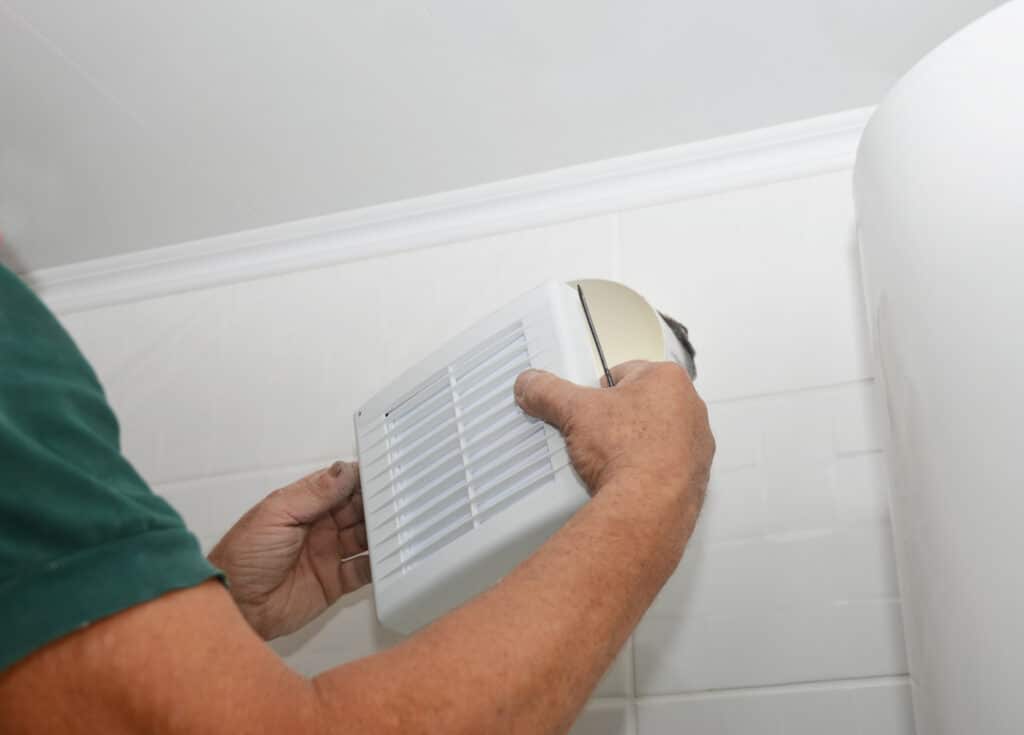
Understanding bathroom venting codes is crucial for homeowners in Clarksburg, MD, and its surrounding areas. These regulations ensure that your home’s plumbing system functions efficiently and safely. Whether you’re renovating in Boyds, MD, or building a new home in Bethesda, MD, being aware of these codes can save you from costly mistakes. It’s not just about compliance, it’s about protecting the health of your home environment.
Bathroom venting codes have evolved over the years, with updates reflecting advances in building science and technology. Recent changes have emphasized the importance of proper ventilation to prevent moisture-related issues. Homeowners in Clarksburg and beyond should stay informed about these updates. This knowledge can significantly impact the longevity and safety of your home’s plumbing system.
For those in Clarksburg, MD, navigating the specifics of bathroom venting codes can seem daunting. However, it’s a critical step in any bathroom renovation or construction project. Understanding the required distances for vent pipes and the rules around DWV (drain, waste, and vent) systems is essential. This not only ensures compliance but also guarantees that your bathroom’s plumbing operates effectively.
In this introduction, we’ve set the stage for a deeper dive into bathroom venting codes. Our focus will be on DWV venting rules, distances, and what recent code updates have changed. For homeowners in Clarksburg, MD, and the neighboring communities of Boyds and Bethesda, this information is invaluable. Stay tuned as we explore how to navigate these regulations for a safer, more efficient home.
Understanding Bathroom Venting Codes
Understanding bathroom venting codes is essential for ensuring your home’s plumbing system functions properly. These regulations, which cover everything from the size of vents to their placement, help prevent problems such as moisture damage and sewer gases from entering the home. For homeowners in Clarksburg, MD, familiarizing yourself with these codes can make a significant difference in the health and safety of your living space. It’s not just about following the law, it’s about creating a comfortable and safe environment for your family.
Recent updates to bathroom venting codes have introduced several changes that homeowners should be aware of. For instance, the distance between a vent and its corresponding fixture has been adjusted in some cases to improve efficiency and reduce the risk of blockages. These changes reflect a better understanding of how air and water move through pipes. Whether you’re in Bethesda, MD, or another local area, staying informed about these updates is crucial for any bathroom renovation or construction project.
Another important aspect of bathroom venting codes involves the materials and types of vents that can be used. Not all venting materials are created equal, and certain types may be more suited to your specific plumbing setup than others. This is where expert advice can be invaluable. A professional plumber familiar with Clarksburg and its surrounding areas, including Boyds, MD, can provide guidance tailored to your home’s needs.
Finally, understanding the implications of not adhering to bathroom venting codes cannot be overstated. Non-compliance can lead to a range of issues, from minor inconveniences to significant health risks. More importantly, it can affect the resale value of your home. Ensuring that your bathroom’s venting system is up to code is an investment in your property’s future, safeguarding against potential problems and ensuring a healthy living environment for years to come.
The Importance of Proper DWV Venting
Proper DWV venting is crucial for maintaining the health and efficiency of your home’s plumbing system. By adhering to the latest bathroom venting codes, homeowners in Clarksburg, MD, ensure that their bathrooms are well-ventilated, reducing the risk of moisture buildup and mold growth. These codes specify the correct sizes, types, and installation distances for vent pipes, directly impacting the air quality and safety of your living space. Keeping up with these regulations not only supports a healthy home environment but also aligns with best practices in plumbing and construction.
In recent years, updates to bathroom venting codes have emphasized the need for efficient and effective venting systems. These changes aim to optimize airflow within the DWV system, preventing the backflow of sewer gases into the home and ensuring that waste water drains properly. For residents in Boyds, MD, staying informed about these updates is essential, especially for those planning bathroom renovations or new construction projects. Consulting with a plumbing professional can provide valuable insights into how these code changes affect your specific project.
Moreover, the choice of materials for DWV venting plays a significant role in compliance and functionality. Not all venting materials offer the same level of durability and resistance to wear, making it important to select options that meet both the bathroom venting codes and the unique needs of your plumbing system. Homeowners in Bethesda, MD, can benefit from expert advice when choosing materials, ensuring that their venting system is both code-compliant and suited to their home’s requirements.
Lastly, the importance of proper DWV venting extends beyond immediate health and safety concerns. A well-designed and compliant venting system can significantly enhance the resale value of your home, making it a wise investment for the future. Failure to comply with bathroom venting codes can lead to costly repairs and renovations down the line. For homeowners in Clarksburg, MD, and its surrounding areas, investing in a compliant and efficient DWV venting system is a smart decision for both the short and long term.
How Far Can a Vent Be from the Trap?
Understanding how far a vent can be from the trap is crucial when adhering to bathroom venting codes. These codes ensure that the plumbing system in your home, whether in Clarksburg, MD, or elsewhere, operates efficiently and safely. The distance between a vent and its trap directly impacts the system’s ability to prevent sewer gases from entering your home. Homeowners planning renovations or new constructions need to keep this in mind to maintain a healthy living environment.
In Boyds, MD, as in other areas, following the updated bathroom venting codes can significantly enhance a home’s plumbing performance. These updates often include specifics on the maximum allowable distance between a vent and a trap, optimizing airflow and water flow within the pipes. This not only helps in preventing blockages but also ensures that waste water and gases are correctly directed away from living spaces, contributing to a safer and more comfortable home.
Bethesda, MD residents looking into bathroom remodeling or construction should consult with plumbing professionals to understand these distance requirements better. Expert plumbers can offer valuable insights into how these regulations apply to your specific project, ensuring that your bathroom’s venting system meets current standards. This advice is indispensable for ensuring that your plumbing system is not only compliant but also tailored to the unique needs of your home.
Ultimately, adhering to the correct distances as specified in bathroom venting codes is an investment in your property’s value and your family’s health. Non-compliance can lead to costly repairs and potential health risks, while a properly vented bathroom supports a robust plumbing system and a healthier living environment. For homeowners in Clarksburg, MD, and its surrounding areas, understanding and implementing these codes is key to a successful and compliant bathroom project.
Key Changes in Recent Bathroom Venting Codes
Recent updates to bathroom venting codes have brought about significant changes that homeowners in Clarksburg, MD, should be aware of. One key update involves the introduction of stricter requirements for vent pipe sizes and locations. This change aims to enhance the efficiency of waste and gas expulsion from the home, ensuring a healthier living environment. Homeowners in Boyds, MD, planning renovations or new constructions must consider these new standards to maintain compliance.
Another important update in the bathroom venting codes is the increased emphasis on the use of specific materials for venting systems. These materials are chosen for their durability and resistance to corrosion, which can significantly extend the lifespan of a home’s plumbing system. For residents in Bethesda, MD, consulting with a plumbing professional can provide insights into which materials best meet both the code requirements and the specific needs of their home. This guidance is crucial for achieving an optimal balance between compliance and functionality.
The recent code revisions also address the ventilation of water fixtures beyond toilets, including sinks and showers. This broader approach ensures that all potential sources of sewer gas leaks are adequately vented, safeguarding the home’s air quality. Understanding these comprehensive requirements is essential for homeowners across Clarksburg, MD, and its surrounding areas, as it impacts the overall design and functionality of their bathroom’s plumbing system.
Finally, the updated bathroom venting codes include provisions for the use of mechanical vents, air admittance valves, and other innovative venting solutions in situations where traditional venting is impractical. These alternatives provide flexibility in design and installation, especially in complex renovations or where space is limited. For homeowners, staying informed about these options allows for more creative and efficient bathroom layouts while ensuring compliance with the latest standards.

Common Mistakes in Bathroom Vent Installation
When installing bathroom vents, a common oversight involves ignoring the bathroom venting codes, which dictate the proper placement and size of vents. Homeowners in Boyds, MD, might not realize the importance of adhering to these codes, leading to inefficient ventilation. This can result in moisture problems and a decrease in air quality. Ensuring compliance with these codes is crucial for the effectiveness of your home’s ventilation system.
Another frequent mistake is the use of incorrect materials for venting. The bathroom venting codes specify which materials are suitable to withstand the conditions in a venting system. In Bethesda, MD, for example, using non-compliant materials could lead to corrosion and leaks, compromising the system’s integrity. Consulting with a professional can help select the right materials, aligning with both the codes and the specific needs of your home.
Additionally, some homeowners overlook the requirement for vents for all water fixtures, not just toilets. This comprehensive approach is essential for preventing the buildup of sewer gases from sinks and showers. Ignoring this aspect can significantly impact the indoor air quality of your home. It’s important to consider the venting needs of all bathroom fixtures to maintain a healthy and safe environment.
Lastly, the reluctance to consider alternative venting solutions, like mechanical vents or air admittance valves, is a common error. These alternatives are especially useful in complex renovations or when space is limited. They offer flexibility while still complying with the latest bathroom venting codes. Exploring these options can lead to more efficient and creative bathroom designs without sacrificing compliance.
Solutions for Venting Multiple Bathroom Fixtures
Venting multiple bathroom fixtures according to bathroom venting codes ensures a well-functioning plumbing system. In Clarksburg, MD, homeowners must carefully plan the layout to meet these requirements. This involves considering the distance between each fixture and its vent to prevent issues like slow drainage or sewer gas entry. Effective planning can significantly enhance the efficiency of your bathroom’s plumbing system.
In Boyds, MD, adopting a holistic approach to bathroom venting is crucial. Each water fixture, from sinks to showers, requires proper venting to maintain indoor air quality. By following the latest bathroom venting codes, homeowners can avoid common pitfalls such as moisture buildup and unpleasant odors. This approach not only ensures compliance but also contributes to a healthier living environment.
Bethesda, MD, residents should consider the benefits of consulting with plumbing professionals. These experts can offer valuable insights into the best materials and designs for venting multiple bathroom fixtures. Their knowledge ensures that your bathroom meets all current codes while optimizing functionality. Professional guidance is indispensable for achieving both compliance and optimal performance.
Lastly, exploring alternative venting solutions can offer flexibility in bathroom design, especially in renovations where space is constrained. Mechanical vents or air admittance valves are innovative options that comply with bathroom venting codes. These solutions can be particularly useful in homes where traditional venting is impractical, allowing for more creative and efficient use of space.
Navigating Local Codes and Regulations
Navigating local bathroom venting codes is essential for homeowners in Clarksburg, MD. These regulations, specific to each area, ensure that plumbing systems meet safety and efficiency standards. For instance, in Boyds, MD, the local codes might have unique requirements that differ from national standards. Understanding these nuances can prevent costly mistakes and ensure your bathroom renovation or construction project complies with the latest regulations.
In Bethesda, MD, the process of aligning with bathroom venting codes can be streamlined by consulting with local experts. These professionals are well-versed in the intricacies of regional regulations and can offer invaluable advice. Their guidance ensures that your bathroom’s venting system not only meets local codes but also functions optimally. This approach minimizes the risk of non-compliance and enhances the overall safety of your home.
Adhering to bathroom venting codes is more than just following rules, it’s about ensuring the health and comfort of your home. Proper ventilation prevents moisture buildup and mold growth, which are common issues in poorly vented bathrooms. By staying informed about and compliant with local codes, homeowners in Clarksburg, MD, and its surrounding areas can enjoy a safer and more comfortable living environment.
Finally, the evolution of bathroom venting codes reflects ongoing improvements in building practices and technologies. As these standards evolve, staying updated is crucial for homeowners planning bathroom projects. This not only ensures compliance but also incorporates modern venting solutions that can enhance the functionality and value of your home. With careful planning and adherence to local codes, your bathroom renovation or construction project can achieve both compliance and excellence.

Tips for Complying with Bathroom Venting Codes
Complying with bathroom venting codes is essential for ensuring your bathroom’s plumbing system functions correctly and remains safe. In Clarksburg, MD, homeowners should start by thoroughly reviewing the most current regulations. Keeping abreast of these codes helps avoid common pitfalls that could lead to moisture and mold issues. It also ensures that any renovations or constructions meet the required standards for health and safety.
In Boyds, MD, it’s wise to consult with plumbing experts who specialize in bathroom venting. These professionals can offer tailored advice that aligns with both local and national codes. Their expertise can save time and money by identifying the most effective venting solutions for your specific situation. This step is crucial for achieving a balance between compliance and practicality in your bathroom design.
For residents in Bethesda, MD, documenting all changes and consultations regarding bathroom venting is a good practice. This documentation can serve as proof of compliance should any disputes arise. It also provides a clear reference for future renovations or for the next homeowner. Ensuring that all modifications are up to code enhances the value and safety of your property.
Finally, investing in high-quality materials and following the latest bathroom venting codes can significantly impact your home’s overall well-being. High-quality venting materials prevent corrosion and leaks, extending the lifespan of your plumbing system. Staying informed and compliant with bathroom venting codes not only safeguards your family’s health but also contributes to the longevity and efficiency of your home’s plumbing infrastructure.
Frequently Asked Questions
What are bathroom venting codes?
Bathroom venting codes ensure proper airflow in your bathroom, preventing moisture buildup and mold growth. These rules dictate how and where vents must exit your home. Recent updates have adjusted the required distances for vent pipes, enhancing efficiency. Understanding these codes helps homeowners maintain a safe and healthy living environment.
How do I install a bathroom vent?
Installing a bathroom vent requires following the latest bathroom venting codes closely. First, identify the best exit route for the vent to ensure it meets code distance requirements. Next, secure the vent ducting properly to avoid leaks and maximize airflow. Lastly, always consult with a professional, like Clarksburg Plumbing, to guarantee your installation adheres to all local regulations and standards.
Are there penalties for violating venting codes?
Violating bathroom venting codes can lead to serious consequences. Homeowners might face fines or be required to redo the installation at their own expense. Additionally, non-compliance can compromise indoor air quality, posing health risks. It’s crucial to adhere to these regulations to ensure safety and avoid unnecessary costs.
Why are bathroom venting codes important?
Bathroom venting codes play a crucial role in maintaining a home’s health and safety. They prevent moisture-related issues, such as mold and mildew, by ensuring proper airflow. Adhering to these codes also helps homeowners avoid costly penalties and repairs. Ultimately, understanding and following bathroom venting codes is key to a safe, efficient bathroom ventilation system.
Can I vent a bathroom fan into an attic?
Venting a bathroom fan directly into an attic is not advisable according to bathroom venting codes. This practice can lead to moisture problems, including mold and wood rot in the attic space. Instead, vents should extend outside to expel moist air directly outdoors. Always ensure installations comply with local regulations to maintain a safe and efficient home.