


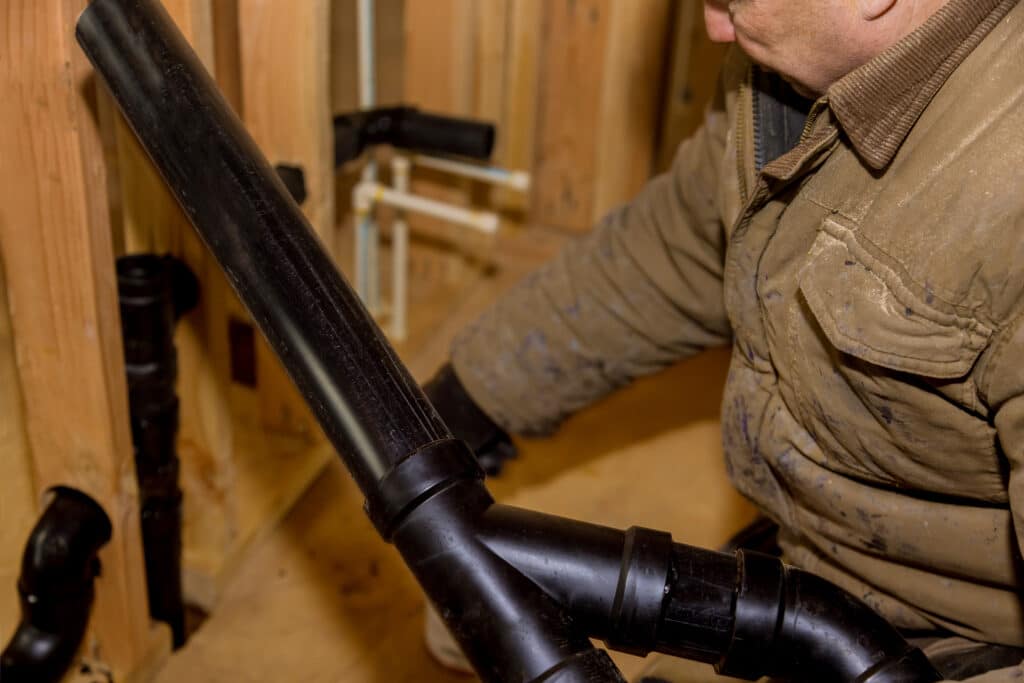
Understanding branch drain sizing is crucial for homeowners in Clarksburg, MD, aiming to prevent chronic clogs in their plumbing systems. This process, though seemingly straightforward, involves a detailed calculation of Drainage Fixture Units (DFUs) and adherence to specific slope rules. It’s not just about ensuring water flows away from your home, it’s about guaranteeing that it does so efficiently and effectively, avoiding any unnecessary plumbing headaches down the line. By grasping the basics of branch drain sizing, residents can safeguard their homes against the inconvenience and expense of recurrent blockages.
In nearby Silver Spring, MD, and Gaithersburg, MD, the story is much the same. Homeowners are increasingly recognizing the importance of properly sized branch drains. The impact of getting it right the first time cannot be overstated. It means fewer calls to plumbers, less time spent dealing with backups, and more peace of mind. Whether you’re renovating an old property or building a new one, understanding the principles of branch drain sizing is key.
However, common mistakes can derail even the best-laid plumbing plans. From underestimating the significance of DFUs to neglecting the critical slope of pipes, these errors can lead to significant issues. Each mistake not only increases the risk of clogs but can also complicate future maintenance and repairs. That’s why it’s essential to approach branch drain sizing with a keen eye for detail and a deep understanding of plumbing principles.
Fortunately, for residents of Clarksburg, MD, and its surrounding areas, mastering branch drain sizing is entirely achievable. With a bit of knowledge and the right approach, you can ensure your plumbing system functions smoothly, free from the frequent clogs that plague less prepared homeowners. Stay tuned as we delve deeper into how to size branch drains correctly, exploring DFUs, slope rules, and the common pitfalls to avoid.
Understanding Drain Fixture Units (DFUs) in Branch Drain Sizing
To grasp branch drain sizing fully, one must first understand Drainage Fixture Units (DFUs). DFUs measure the load a plumbing system can handle, essentially quantifying the demand each fixture places on the system. For instance, a toilet and a sink each contribute a different number of DFUs because they discharge different volumes of water. This calculation is pivotal in Clarksburg, MD, where homeowners aim for a plumbing system that efficiently manages water flow.
Correctly calculating DFUs is a cornerstone of effective branch drain sizing. It ensures that the plumbing can accommodate all fixtures without risking chronic clogs. In Silver Spring, MD, professionals often emphasize the importance of accurate DFU assessment during renovations or new constructions. This step prevents the common mistake of under-sizing drains, which can lead to frequent and frustrating blockages.
Another critical aspect of branch drain sizing is adhering to slope rules. The slope of your pipes determines how well water and waste move through the system. A slope that’s too shallow won’t allow gravity to do its job, causing water to stagnate and potentially lead to clogs. Conversely, in Gaithersburg, MD, a slope that’s too steep can cause water to flow too quickly, leaving solids behind and creating blockages.
Avoiding common pitfalls in branch drain sizing requires attention to both DFUs and slope rules. Homeowners who overlook these aspects often face the headache of dealing with chronic clogs. By prioritizing these factors, residents in Clarksburg, MD, and its surrounding areas can ensure their plumbing systems function efficiently. This approach not only prevents clogs but also extends the lifespan of the plumbing system, offering peace of mind and significant savings on maintenance and repairs.
The Importance of Slope in Branch Drain Sizing
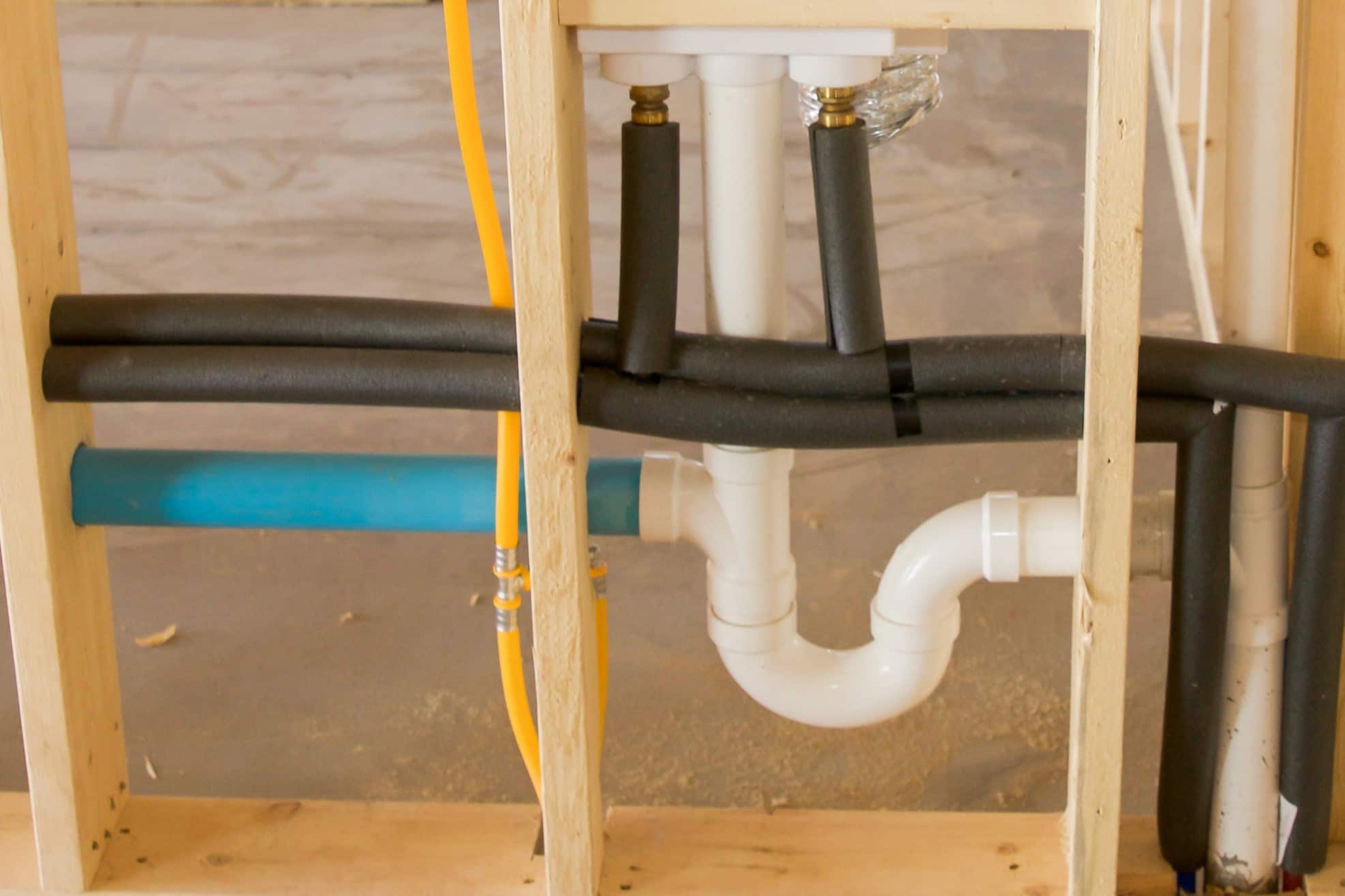
Understanding the importance of slope in branch drain sizing is crucial for homeowners in Clarksburg, MD. A proper slope ensures water flows smoothly, carrying waste away from your home. Too little slope, and water moves sluggishly, increasing the risk of clogs. Conversely, too much slope can cause water to rush, leaving solids behind.
In Silver Spring, MD, experts often stress the need for precision when setting the slope. Ideally, pipes should have a slope of at least 1/4 inch per foot. This gradient is steep enough to keep water moving but not so steep that solids get left behind. Getting this balance right is key to effective branch drain sizing.
Mistakes in slope can lead to frequent plumbing issues. Homeowners in Gaithersburg, MD, have seen how improper slopes contribute to blockages and slow drainage. It’s not just about meeting minimum requirements, it’s about optimizing flow to prevent problems. This attention to detail makes all the difference in maintaining a clog-free system.
In summary, the slope plays a vital role in branch drain sizing. It’s a delicate balance that requires careful planning and execution. By adhering to the recommended slope, homeowners can ensure their plumbing system functions efficiently. This not only prevents chronic clogs but also contributes to the overall health of the plumbing system, saving time and money in the long run.
Calculating the Right Size for Your Branch Drains
Calculating the right size for your branch drains involves more than just understanding the theory behind DFUs and slope rules. It requires practical application tailored to each home’s specific needs. In Clarksburg, MD, homeowners can start by listing all the fixtures in their house to accurately calculate the total DFUs. This step ensures that the branch drain sizing will adequately handle the load, preventing the common issue of undersized pipes that lead to clogs.
Next, combining the total DFUs with the correct slope is crucial for optimal water flow. In Silver Spring, MD, experts recommend consulting with professionals who can help determine the precise slope for your home’s plumbing layout. This collaboration helps in avoiding the mistake of a slope that’s too steep or too shallow, which can significantly impact the system’s efficiency. By getting this balance right, homeowners can avoid frequent blockages and ensure smooth drainage.
Moreover, homeowners should be aware of the materials used for their plumbing. Different materials can affect the flow rate and susceptibility to clogs. For instance, in Gaithersburg, MD, some prefer PVC pipes for their smooth interior and resistance to buildup. Choosing the right materials in conjunction with proper branch drain sizing can greatly reduce the likelihood of plumbing issues down the line.
Lastly, regular maintenance and checks play a vital role in keeping the plumbing system functioning correctly. Even with the perfect branch drain sizing, neglect can lead to problems. Homeowners should schedule periodic inspections to catch any potential issues early. This proactive approach, combined with accurate branch drain sizing, ensures a plumbing system that runs efficiently, saving both time and money in the long run.
Common Mistakes in Branch Drain Sizing
When tackling branch drain sizing, one common mistake is overlooking the impact of household appliances on the system. In Clarksburg, MD, for instance, homeowners might not consider the additional DFUs contributed by dishwashers or washing machines. This oversight can lead to undersized drains that are prone to clogs. Accurately accounting for all sources of water flow is crucial for maintaining an efficient plumbing system.
In Silver Spring, MD, another frequent error is ignoring local building codes and standards related to plumbing. These regulations often specify minimum requirements for pipe size and slope, tailored to ensure proper drainage. Failing to comply with these guidelines can result in chronic blockages. Homeowners should always verify that their branch drain sizing meets or exceeds these standards.
Misjudging the slope needed for effective drainage is a pitfall that affects many in Gaithersburg, MD. A slope that’s too gentle won’t adequately propel water and waste, leading to stagnation and blockages. Conversely, a slope that’s too steep can cause water to outrun solids. Striking the right balance is key to avoiding such issues.
Lastly, neglecting regular maintenance is a mistake that can render even the best branch drain sizing efforts futile. Without periodic checks and cleanings, even properly sized drains can succumb to clogs. Homeowners should make maintenance a priority to ensure their plumbing systems remain clear and functional. This proactive approach helps avoid the inconvenience and expense of frequent plumbing problems.
How to Prevent Clogs with Proper Branch Drain Sizing
Preventing clogs with the right branch drain sizing involves understanding and applying specific principles. It starts with accurately calculating the demand on your system. For homeowners in Clarksburg, MD, this means considering every fixture and appliance that contributes to the system’s load. By doing so, you ensure that your plumbing is equipped to handle the water flow, reducing the risk of blockages.
Choosing the correct pipe material is another crucial step in avoiding clogs. In Silver Spring, MD, many professionals recommend materials like PVC for their smooth interiors, which help prevent buildup. When combined with proper branch drain sizing, these materials facilitate a more efficient flow. This decision plays a significant role in maintaining a clear and functional plumbing system.
Slope is equally important in branch drain sizing. A slope that’s too shallow or too steep can lead to problems. In Gaithersburg, MD, finding the sweet spot ensures that water and waste move at the right pace. This balance helps avoid the stagnation or separation that can cause clogs, keeping your system running smoothly.
Regular maintenance cannot be overlooked when aiming to prevent clogs. Even with optimal branch drain sizing, pipes can still become blocked without periodic checks. Homeowners should schedule inspections and cleanings to catch issues before they escalate. This proactive approach keeps your plumbing in top condition, safeguarding against inconvenient and costly blockages.
The Role of Venting in Effective Branch Drain Sizing
Understanding the intricacies of branch drain sizing extends beyond the basics of DFUs and slope. Venting plays a crucial role in maintaining the efficiency of a plumbing system. Without proper venting, water and waste can’t flow smoothly, leading to potential clogs and backups. This is especially true in Clarksburg, MD, where varying home designs can complicate plumbing layouts.
In Silver Spring, MD, professionals often emphasize the importance of integrating venting strategies into branch drain sizing. Venting allows air to follow the water, preventing a vacuum that can slow down drainage. This not only ensures that water flows freely but also aids in the removal of waste, keeping the system clear. It’s a critical component that homeowners should not overlook when planning their plumbing.
Moreover, the correct placement and sizing of vents are essential for their effectiveness. A vent that’s too small or incorrectly placed can be as problematic as not having one at all. In Gaithersburg, MD, experts can help determine the optimal setup for your home’s specific needs. Their knowledge ensures that venting contributes positively to the overall function of your plumbing system.
Finally, incorporating proper venting into branch drain sizing enhances the longevity and reliability of your plumbing. It prevents the common pitfalls associated with inadequate venting, such as slow drains and frequent clogs. By giving attention to this often-overlooked aspect, homeowners can enjoy a more efficient and trouble-free plumbing system. Venting, when done right, complements the careful calculations of DFUs and slope, ensuring a well-rounded approach to branch drain sizing.
Case Studies: Successful Branch Drain Sizing Projects
Exploring real-world examples highlights the importance of branch drain sizing in preventing chronic clogs. In Clarksburg, MD, a residential project faced repeated drainage issues due to undersized branch drains. The solution involved recalculating DFUs and adjusting the slope, which significantly improved water flow. This case demonstrates how precise calculations and adjustments can lead to successful outcomes.
In Silver Spring, MD, a commercial building experienced frequent backups, disrupting daily operations. Experts conducted a thorough review of the branch drain system, identifying critical errors in initial sizing and slope. By correcting these, the building saw an immediate reduction in plumbing issues. This example underscores the value of professional assessments in complex environments.
Another case in Gaithersburg, MD, involved a new construction project where the planners prioritized branch drain sizing from the start. They integrated advanced venting techniques and selected materials that reduced the risk of clogs. The proactive approach ensured a smooth-running plumbing system, showcasing the benefits of considering branch drain sizing in the planning phase.
These case studies collectively affirm that correct branch drain sizing is foundational to preventing plumbing problems. Whether it’s a residential home in Clarksburg, MD, a business in Silver Spring, MD, or a new development in Gaithersburg, MD, the principles of accurate DFU calculation, proper slope, and material selection play a pivotal role. They serve as practical guides for homeowners and builders alike, emphasizing the importance of getting branch drain sizing right the first time.

Maintenance Tips for Your Branch Drains
Maintaining your plumbing system’s efficiency involves more than just careful installation. Regular checks on your branch drains can prevent the small issues from becoming major headaches. In Clarksburg, MD, homeowners find that seasonal inspections help catch debris buildup early. This proactive step ensures that water continues to flow smoothly, avoiding unnecessary clogs.
In Silver Spring, MD, using a strainer in sinks and showers has proven effective in catching hair and other materials that could block pipes. It’s a simple yet effective way to maintain optimal branch drain sizing. By preventing these materials from entering the drains, residents significantly reduce the risk of blockages. This practice, combined with regular cleaning, keeps plumbing systems in top condition.
Gaithersburg, MD, residents have seen the benefits of avoiding harsh chemicals for drain cleaning. Instead, opting for natural solutions like baking soda and vinegar can clear minor clogs without damaging pipes. This approach not only preserves the integrity of the plumbing but also aligns with proper branch drain sizing by maintaining a clear path for water flow.
Lastly, educating everyone in the household about what shouldn’t go down the drains can make a big difference. Items like cooking grease, coffee grounds, and non-biodegradable products can quickly compromise branch drain sizing. By ensuring that only water and safe substances enter the system, homeowners can maintain a clog-free environment, safeguarding their plumbing for years to come.
Frequently Asked Questions
What causes chronic clogs in drains?
Chronic clogs in drains often stem from incorrect branch drain sizing. When drains are too small, they can’t handle the flow, leading to backups. Another culprit is improper slope, which hampers water velocity. Lastly, everyday items like grease and hair build up over time, worsening the problem.
How does branch drain sizing prevent clogs?
Proper branch drain sizing plays a crucial role in preventing clogs. By matching the drain size to the expected flow, based on Drainage Fixture Units (DFUs), water moves smoothly, reducing blockages. Ensuring the correct slope also helps maintain a steady velocity, pushing debris through. This approach minimizes the risk of buildup, keeping drains clear and functional.
What are the signs of improperly sized drains?
Signs of improperly sized drains include frequent backups, slow drainage, and gurgling noises from pipes. These issues often indicate that the drain can’t handle the waste and water flow. Over time, you may also notice bad odors as debris builds up. Addressing branch drain sizing can help solve these problems, ensuring a smooth and efficient system.
Can branch drain sizing save on maintenance costs?
Yes, branch drain sizing can significantly reduce maintenance costs. By ensuring drains are correctly sized, you prevent frequent clogs and backups. This means fewer calls to plumbers for emergency unclogging and repairs. In the long run, a well-sized drainage system keeps your plumbing efficient and cost-effective.
What factors influence branch drain sizing?
Several factors play a crucial role in branch drain sizing. Drainage Fixture Units (DFUs) are vital, as they measure a drain’s capacity to handle flow from fixtures. The slope of the drain is also key, ensuring water moves efficiently and prevents buildup. Lastly, the type and frequency of usage influence the required size, as higher demand systems need larger drains to avoid clogs.