


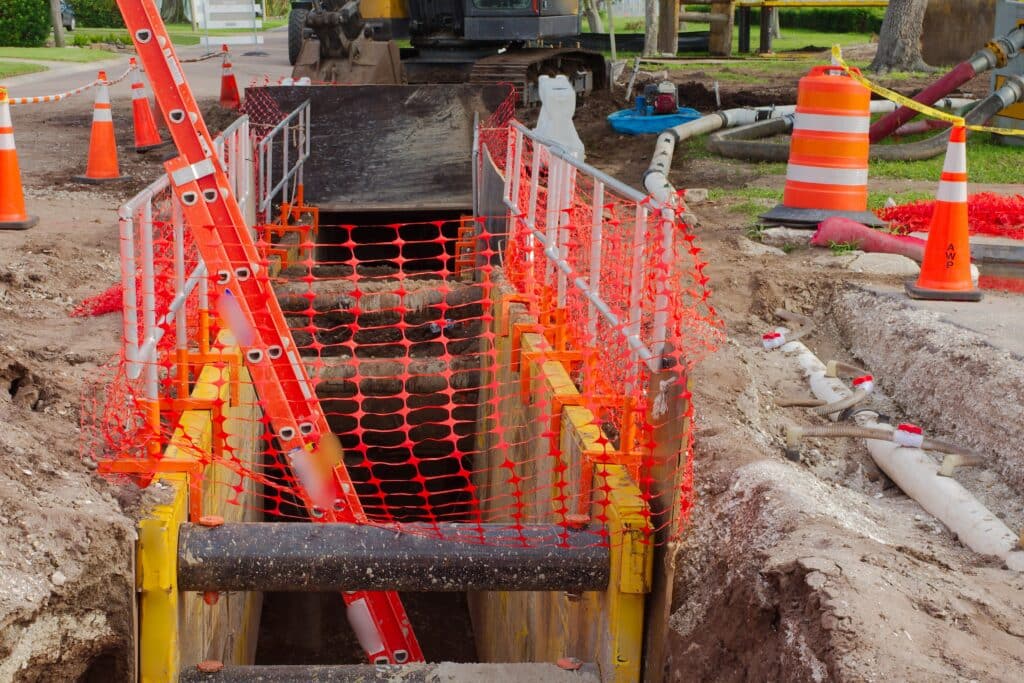
Trench safety planning is a critical aspect of ensuring the well-being of plumbing crews in Damascus, MD. This process involves meticulous preparation and the application of specific techniques to prevent accidents and injuries on the job site. With the increasing complexity of underground utilities, adopting comprehensive safety measures has never been more important. By focusing on this, companies can significantly reduce the risks associated with trench work.
In the realm of construction and plumbing, understanding the various shoring and shielding options available is essential. These methods are designed to protect workers from the dangers of cave-ins and other trench-related hazards. North Bethesda, MD, like Damascus, sees a lot of development, making trench safety planning there equally vital. Knowing the right equipment and techniques to use can make all the difference in safeguarding employees.
Moreover, familiarizing oneself with the Occupational Safety and Health Administration (OSHA) guidelines is a cornerstone of trench safety planning. OSHA provides a framework for what safety measures need to be in place, including the depth at which shoring or shielding is required. Staying compliant not only ensures the safety of the crew but also helps avoid potential fines and legal issues.
Ultimately, trench safety planning is about more than just following regulations, it’s about creating a culture of safety and responsibility. Whether in Damascus, MD, or any other city, prioritizing the safety of plumbing crews through careful planning and education is paramount. By doing so, companies can protect their most valuable asset, their workers, while ensuring the timely and efficient completion of projects.
Understanding the Basics of Trench Safety Planning
Trench safety planning is a multi-step process that begins with a thorough assessment of the job site. Before any digging starts, crews in Damascus, MD, must identify the types of soil they will encounter. This step is crucial because different soil types require different shoring techniques. Recognizing these differences early on can prevent accidents and ensure the safety of workers.
After assessing the soil, selecting the appropriate shoring or shielding equipment is the next step. Shoring involves using supports to stabilize trench walls, while shielding protects workers if a collapse occurs. Each method has its own set of benefits and is chosen based on the specific needs of the project. By carefully selecting the right equipment, plumbing crews can significantly reduce the risk of trench collapses.
Training plays a vital role in trench safety planning. Workers must be educated on the proper use of shoring and shielding equipment and understand the potential hazards of trench work. This education includes familiarizing them with OSHA regulations that apply to trenching and excavation. Such knowledge empowers workers to identify risks and take the necessary precautions to protect themselves and their colleagues.
Lastly, ongoing monitoring and inspection of the trench site are essential for maintaining safety. Conditions can change rapidly, and what was safe at the beginning of the day may not be safe hours later. Regular checks ensure that any deviations from safety standards are promptly addressed. By committing to these practices, companies in Damascus, MD, and beyond can create a safer environment for their plumbing crews, ultimately leading to more successful and efficient projects.

Assessing Jobsite Conditions for Safe Trench Work
Assessing jobsite conditions is a pivotal step in trench safety planning for plumbing crews in Damascus, MD. It requires a keen eye for detail and a deep understanding of the environment where work will take place. Factors such as proximity to existing structures and underground utilities can significantly influence the choice of shoring or shielding methods. Knowing these details helps prevent disruptions and ensures the safety of workers and the public.
Weather conditions also play a crucial role in trench safety planning. Rain, for example, can weaken soil and increase the risk of trench collapses. Therefore, crews must monitor weather forecasts and plan accordingly. This proactive approach minimizes hazards and keeps the project on track, despite the challenges that Mother Nature may present.
Another important aspect is understanding the traffic flow around the jobsite, especially in busy areas like North Bethesda, MD. High traffic can lead to vibrations that affect trench stability. Implementing measures such as traffic control plans and using signage can mitigate these risks. This ensures not only the safety of the crew but also that of pedestrians and drivers passing by the site.
Lastly, assessing the need for access points and escape routes within the trench is vital. These should be strategically placed to allow for quick evacuation in case of an emergency. Regularly reviewing these plans and conducting drills ensures that every team member knows how to react swiftly and safely. By meticulously assessing jobsite conditions, plumbing crews can significantly enhance trench safety planning and execution.
Shoring and Shielding Options for Trench Safety
Exploring shoring and shielding options is a crucial part of trench safety planning for plumbing crews. Shoring involves the use of hydraulic, pneumatic, or mechanical systems to support trench walls, preventing soil movement and collapse. These systems are adaptable to various soil types and trench depths, making them a versatile choice for projects in Damascus, MD. Choosing the right shoring system can significantly enhance worker safety and project efficiency.
Shielding, on the other hand, provides a protective barrier between workers and the walls of a trench. Made from steel or aluminum, trench boxes are the most common form of shielding, designed to withstand the pressures of a cave-in. While they do not prevent collapses, they offer a safe space for workers, which is essential in the unpredictable soil conditions of North Bethesda, MD. Implementing shielding options is a proactive approach to mitigate risks on the job site.
Trench safety planning also involves combining shoring and shielding strategies for optimal protection. This hybrid approach tailors to specific project needs, considering factors like trench depth, soil stability, and the proximity of the work area to vehicular traffic. By integrating both methods, plumbing crews can ensure a higher level of safety, keeping projects on schedule and within compliance of safety regulations. This strategy underscores the importance of flexibility and adaptability in trench safety planning.
Moreover, staying informed about the latest advancements in shoring and shielding technology is key. New innovations can offer improved safety features, greater efficiency, and better compatibility with various trench conditions. Plumbing companies dedicated to trench safety planning invest in ongoing training and equipment updates. This commitment not only protects workers but also enhances the overall success of plumbing projects, demonstrating a company’s dedication to safety and quality.
OSHA Regulations for Trenching and Excavation
Understanding the Occupational Safety and Health Administration (OSHA) regulations is essential in trench safety planning. OSHA sets clear guidelines for trenching and excavation, emphasizing the importance of protective systems for trenches deeper than 5 feet. In Damascus, MD, adhering to these rules not only ensures worker safety but also keeps plumbing companies compliant with federal standards. This foundational knowledge is a must for any crew working on excavation projects.
OSHA also mandates specific training for workers involved in trenching and excavation. This includes recognizing hazards, understanding the use of protective systems, and knowing emergency procedures. For plumbing companies in North Bethesda, MD, investing in this training means empowering their teams to maintain high safety standards. It’s a critical step in fostering a culture of safety and responsibility on every job site.
Regular inspections of trenches and excavations are another key requirement from OSHA. Qualified professionals must examine the site before work begins, continuously during operations, and following any event that could have affected the trench’s stability. These thorough inspections help identify potential risks early, ensuring that corrective measures can be taken to protect workers.
Lastly, OSHA emphasizes the need for a competent person to oversee trench safety planning and operations. This individual is responsible for assessing soil types, designing protective systems, and ensuring compliance with all safety regulations. Their role is crucial in maintaining a safe working environment, making their expertise invaluable for plumbing projects in any city, including Damascus, MD. By following these OSHA guidelines, plumbing crews can significantly reduce the risks associated with trench work, making every project safer and more efficient.
Implementing a Trench Safety Plan in Damascus MD
Implementing a trench safety plan in Damascus, MD, starts with clear communication among all team members. Before the excavation begins, a meeting to discuss the specifics of the plan ensures everyone understands their roles. This approach fosters a cohesive effort toward maintaining safety standards throughout the project. It also allows for any concerns to be addressed promptly, keeping the focus on preventing accidents.
In North Bethesda, MD, utilizing the latest technology for monitoring trench stability has become a game-changer. Sensors and mobile apps can now provide real-time data on soil conditions and trench integrity. By integrating this technology into their trench safety planning, plumbing crews can react swiftly to any signs of instability. This proactive measure significantly enhances worker safety and project efficiency.
Training sessions on the use of protective systems are crucial for reinforcing trench safety planning. These sessions should cover the correct installation and use of shoring and shielding equipment. Hands-on training helps workers gain confidence in their ability to protect themselves and their colleagues. Moreover, it ensures that safety practices are not only understood but also consistently applied on every job site.
Finally, an effective trench safety plan in Damascus, MD, includes a review and feedback process. After completing a project, teams should evaluate the effectiveness of their safety measures. This step identifies areas for improvement and highlights successful strategies that can be applied to future projects. By continuously refining their approach, plumbing companies can uphold the highest safety standards, protecting their workers and the community.
Training and Educating Your Plumbing Crew on Trench Safety
Training and educating your plumbing crew on trench safety is a key step in ensuring a safe working environment. In Damascus, MD, where construction and plumbing projects are frequent, the importance of such training cannot be overstated. It equips workers with the knowledge and skills to identify and mitigate risks effectively. This proactive approach not only safeguards the crew but also contributes to the smooth execution of projects.
Interactive workshops and simulations can be particularly effective in reinforcing trench safety planning concepts. By simulating real-life scenarios, workers in North Bethesda, MD, can practice their response to potential dangers, enhancing their preparedness. These hands-on experiences make the theoretical aspects of trench safety more tangible and memorable. As a result, crew members are more likely to apply these practices on the job site, reducing the likelihood of accidents.
Moreover, incorporating feedback from crew members into the training process can significantly improve its effectiveness. Listening to their experiences and suggestions allows for the customization of training materials to address specific concerns and scenarios they encounter in the field. This tailored approach ensures that the training is not only relevant but also engaging for the crew. It fosters a culture of continuous improvement and learning within the team.
Lastly, regular refresher courses are essential to keep trench safety planning front and center in the minds of plumbing crews. As regulations and best practices evolve, so too should the training provided. Keeping the crew up-to-date with the latest safety standards and technologies ensures that they are always prepared to work safely and efficiently. This commitment to ongoing education demonstrates a company’s dedication to the well-being of its workers and the quality of its projects.
The Role of Competent Persons in Trench Safety Planning
In trench safety planning, the role of a competent person is crucial. This individual possesses the expertise to assess potential hazards, decide on the necessary protective systems, and ensure adherence to safety protocols. Their knowledge extends to analyzing soil composition, which is particularly important in areas like Damascus, MD, where soil types can vary significantly. By having a competent person on site, plumbing companies can confidently navigate the complexities of trench work, ensuring both safety and compliance.
Training for competent persons includes a comprehensive understanding of OSHA regulations and the ability to conduct thorough inspections. In North Bethesda, MD, where construction activities are frequent, their role becomes even more vital. They are responsible for daily checks of trench conditions, adjusting safety measures as needed. This proactive approach helps prevent accidents before they occur, making the job site safer for everyone involved.
Moreover, the competent person acts as a communication bridge between the crew and management. They ensure that all team members are informed about the specifics of the trench safety plan and any changes that might arise. This continuous flow of information is essential for maintaining high safety standards throughout the project’s duration. It also empowers workers, giving them the confidence to perform their tasks knowing that their well-being is a priority.
Lastly, the success of trench safety planning largely depends on the competent person’s ability to adapt to new challenges. As projects progress, unexpected situations can arise, requiring swift and informed decisions. Their expertise not only protects workers but also keeps projects on track, minimizing delays. This adaptability is a testament to the importance of their role in ensuring the safety and efficiency of plumbing projects across cities like Damascus, MD, and North Bethesda, MD.
Case Studies: Successful Trench Safety Planning
Learning from real-world examples significantly enhances trench safety planning. In Damascus, MD, a plumbing project successfully avoided potential hazards by implementing a comprehensive safety plan that included both shoring and shielding techniques. This approach was tailored to the specific soil conditions and trench depths encountered, demonstrating the importance of adaptability. The project’s success underscored the value of thorough preparation and the effective use of protective systems.
Another notable case involved a team in North Bethesda, MD, which integrated advanced technology for monitoring trench stability. By employing sensors that provided real-time data, the crew could make informed decisions quickly, preventing any incidents. This proactive use of technology not only kept the workers safe but also ensured the project remained on schedule. It highlighted how embracing innovation can significantly contribute to trench safety planning.
Collaboration between the crew and a competent person played a crucial role in a project’s success, illustrating the importance of clear communication in trench safety planning. This partnership ensured that all safety measures were correctly implemented and adjusted as needed, based on daily inspections of the trench site. The competent person’s expertise in assessing risks and making timely decisions was instrumental in maintaining a safe working environment throughout the project’s duration.
Finally, a project that stood out for its commitment to training and education demonstrated the long-term benefits of investing in worker safety. Regular workshops and hands-on training sessions equipped the crew with the knowledge and skills to safely navigate trench work. This not only prevented accidents but also fostered a culture of safety that extended beyond the job site. The project’s success serves as a testament to the effectiveness of continuous learning in trench safety planning.

Frequently Asked Questions
What is trench safety planning?
Trench safety planning is essential for protecting workers during plumbing projects. It involves creating strategies to prevent collapses and ensure a safe working environment. This process includes selecting the right shoring and shielding methods. Understanding OSHA guidelines is also crucial for compliance and safety.
How do you prepare a trench for safety?
Preparing a trench for safety starts with a clear plan. First, assess the site to identify any potential hazards. Then, choose the appropriate shoring or shielding techniques to support the trench walls. Finally, ensure all workers are trained on trench safety planning and emergency procedures to maintain a secure jobsite.
What equipment is needed for trench safety?
For trench safety, several key pieces of equipment are necessary. Shoring and shielding systems prevent trench collapses, protecting workers inside. Personal protective gear, including helmets and high-visibility vests, ensures worker visibility and head protection. Additionally, ladders or other safe access methods are crucial for entering and exiting trenches safely. These tools, combined with thorough planning, form the backbone of effective trench safety planning.
Why is trench safety planning important?
Trench safety planning is vital for preventing accidents on plumbing jobsites. It ensures workers are shielded from potential cave-ins, a common and dangerous risk. By adhering to these plans, companies like Clarksburg Plumbing comply with OSHA regulations, promoting a culture of safety. Ultimately, this careful preparation saves lives, making it an indispensable part of construction work.
Who is responsible for trench safety planning?
The primary responsibility for trench safety planning falls on the employer, such as Clarksburg Plumbing. They must ensure that all safety measures are in place and followed. Supervisors on-site also play a crucial role in enforcing these safety protocols. Ultimately, every crew member must be aware of and adhere to the established safety practices to maintain a secure working environment.