


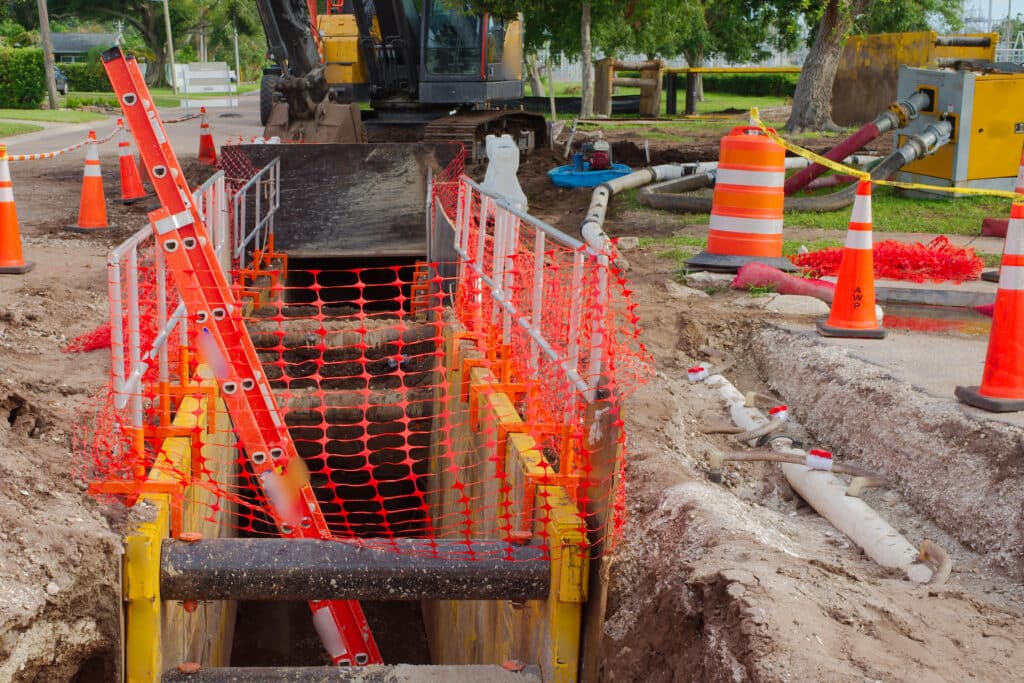
Utility trenching safety is a crucial aspect of plumbing projects, particularly in areas like Damascus, MD, and Gaithersburg, MD. This process involves creating trenches to lay pipes or for other infrastructure needs. However, without adhering to safety standards, trenching can pose significant risks. Ensuring the well-being of workers and the public is paramount.
One of the first steps in guaranteeing utility trenching safety is understanding the local soil composition and environmental conditions. Damascus, with its unique landscape, requires specific considerations. Similarly, projects in Gaithersburg must take into account its distinct environmental factors. Both locations demand a tailored approach to trenching practices.
Shoring basics form the backbone of preventing trench collapses. This technique supports the trench walls to safeguard workers from potential cave-ins. It’s not just about protection, it’s about creating a secure work environment. By following these guidelines, companies can significantly reduce the risk of accidents.
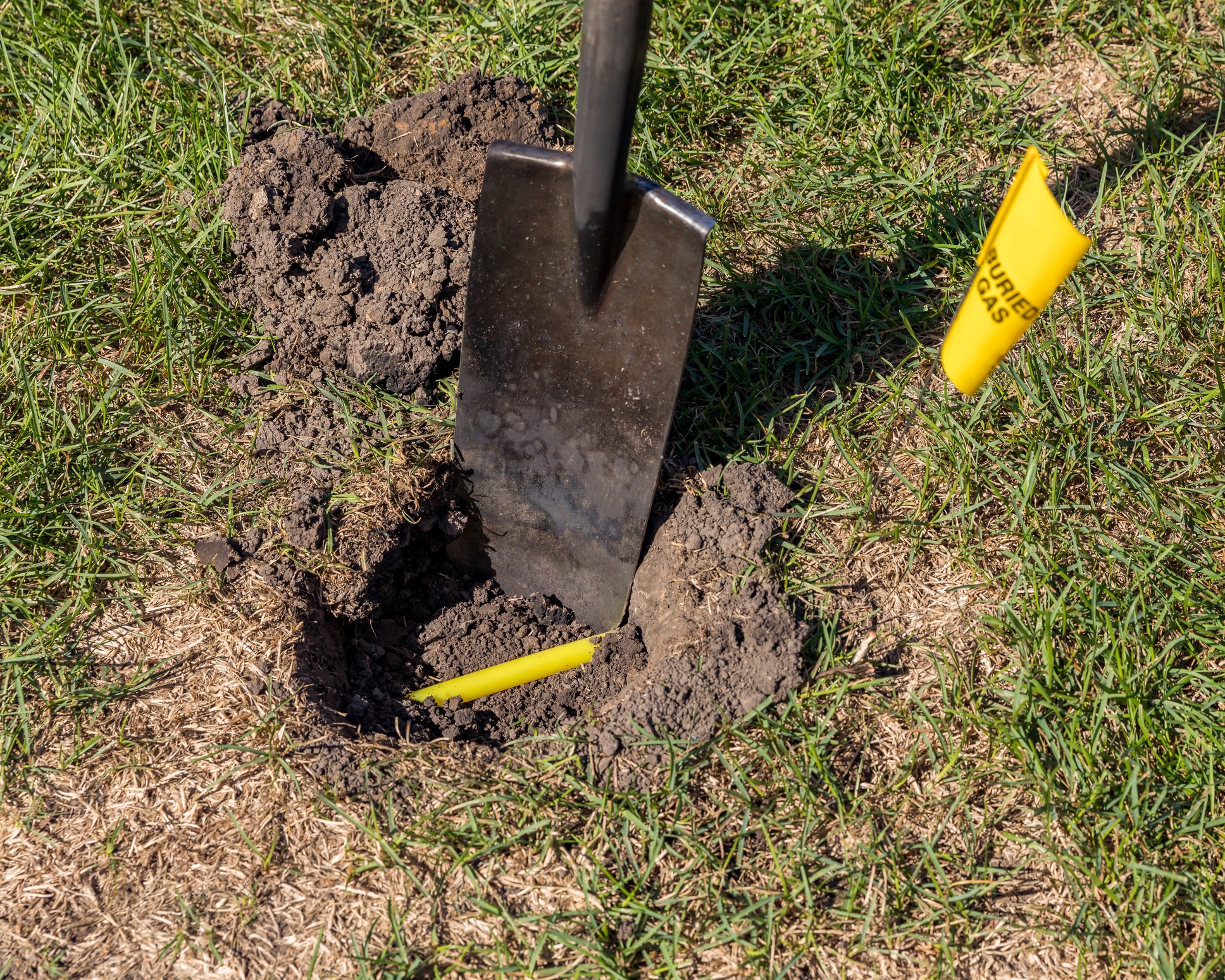
Lastly, utility marking procedures are indispensable in avoiding disruptions to existing services. Before any digging begins, identifying and marking underground utilities ensures that the trenching work does not interfere with them. This step is essential for maintaining utility trenching safety and preventing costly damages or dangerous situations.
Understanding Utility Trenching Safety in Damascus, MD
Utility trenching safety extends beyond initial planning and into the realm of comprehensive training for all involved. Workers in Damascus, MD, must be well-versed in recognizing potential hazards and understanding the measures to mitigate them. This training includes the correct use of equipment and the importance of wearing appropriate safety gear. Ensuring every team member has this knowledge is a cornerstone of maintaining a safe work environment.
In addition to training, regular safety meetings play a critical role in reinforcing utility trenching safety. These gatherings offer a platform for discussing any concerns, sharing updates on the project’s progress, and reviewing safety protocols. It’s an opportunity for workers to voice any observations that might improve safety measures. By keeping communication open and frequent, companies can adapt to any situation, enhancing overall safety.
Another essential aspect of utility trenching safety is the implementation of emergency response plans. Should an incident occur, a well-defined and practiced response can significantly reduce the impact on workers and the project. This plan includes clear instructions on what to do and who to contact, ensuring a swift and coordinated effort to address any emergencies. It’s a critical component that prepares teams for unexpected situations, contributing to a safer work environment.
Lastly, continuous monitoring of trench conditions is vital for detecting any signs of instability that could lead to accidents. Inspectors and workers must stay vigilant, regularly checking for any changes in the trench’s structure or the surrounding environment. This proactive approach helps in preempting potential issues, making it a fundamental practice for safeguarding against the risks associated with utility trenching. Through diligent observation and immediate action, the safety of the project and its workers is significantly enhanced.
The Importance of Utility Marking Before Digging
Understanding the importance of utility marking before digging is a cornerstone of utility trenching safety. In Damascus, MD, the landscape is dotted with various underground utilities that are crucial for the community’s daily functioning. Marking these utilities before starting any trenching project helps avoid accidental damages. This not only protects the workers but also ensures that the residents’ services remain uninterrupted.
In Gaithersburg, MD, the procedure for utility marking is taken very seriously. Professionals use specialized equipment to detect and mark the location of water pipes, gas lines, and electrical cables. This process is essential in preventing potential hazards that could lead to serious accidents or service disruptions. By clearly marking these utilities, workers can navigate around them, maintaining a safe working environment.
The role of utility marking in promoting utility trenching safety cannot be overstated. It serves as a preventive measure, safeguarding against costly repairs and dangerous situations. When utilities are properly marked, it significantly reduces the risk of hitting an underground utility. This not only saves time and resources but also underscores the company’s commitment to safety and reliability.
Lastly, utility trenching safety, including thorough utility marking, reflects the company’s dedication to best practices in the field. It demonstrates a proactive approach to safety, showcasing the importance of meticulous planning and execution. For companies like Clarksburg Plumbing, adhering to these safety measures is a testament to their professionalism and care for the community they serve, ensuring that every project is completed safely and efficiently.
Shoring Techniques and Equipment for Safe Trenches
Ensuring utility trenching safety involves the use of proper shoring techniques and equipment. In Damascus, MD, professionals rely on these methods to prevent trench collapses. By employing strong and reliable shoring systems, workers are protected from the dangers of unstable trench walls. This practice is a key aspect of maintaining a secure environment during plumbing projects.
In Gaithersburg, MD, the selection of shoring equipment is tailored to the specific needs of each project. Hydraulic shoring, for example, is popular for its adjustability and ease of installation. This method supports trench walls efficiently, offering a safer workspace for the team. It’s a clear demonstration of how the right equipment can enhance utility trenching safety.
Training in the correct installation and use of shoring equipment is crucial. Workers must understand how to properly set up these systems to ensure their effectiveness. This knowledge not only keeps them safe but also contributes to the smooth progression of the project. Regular training sessions reinforce these safety measures, keeping everyone informed and prepared.
Lastly, continuous inspection of shoring equipment is essential for utility trenching safety. Inspectors must regularly check these systems for any signs of wear or failure. Prompt identification and correction of such issues prevent accidents and maintain the integrity of the trench. This vigilant approach is vital for the safety of all involved in the trenching project.
Common Hazards Associated with Trenching Projects
Trenching projects, especially in areas like Damascus, MD, come with their set of challenges, including common hazards that can compromise utility trenching safety. One significant risk is the potential for trench collapse, which poses a direct threat to workers’ lives. Recognizing this danger, it’s crucial for companies to implement comprehensive safety measures. These include conducting soil analysis and employing appropriate shoring techniques to maintain trench integrity.
In Gaithersburg, MD, another hazard to consider is the proximity of trenching activities to existing underground utilities. Accidental strikes on utility lines can lead to severe consequences, including service disruptions, injuries, or even fatalities. To mitigate this risk, thorough utility marking and the use of advanced detection technology are indispensable. These practices help in identifying and avoiding underground utilities, ensuring the safety of the project and the community.
Water accumulation in trenches is yet another concern that can undermine utility trenching safety. Standing water not only makes trenches unstable but also poses a risk of drowning. To address this, proper water removal techniques and trench drainage systems must be in place. These systems prevent water accumulation, providing a safer working environment for the crew.
Lastly, the health and safety of workers can be jeopardized by long-term exposure to hazardous materials encountered during trenching. In such situations, wearing personal protective equipment (PPE) and implementing strict safety protocols are vital. Regular health monitoring and safety training ensure that workers are protected from potential health hazards, reinforcing the commitment to maintaining a safe and healthy work site.
Implementing OSHA Standards for Trench Safety
Implementing OSHA (Occupational Safety and Health Administration) standards is a cornerstone of utility trenching safety, ensuring that projects in Damascus, MD, adhere to the highest safety protocols. These regulations encompass a range of practices designed to protect workers from trench-related hazards. By following OSHA guidelines, companies demonstrate a commitment to creating a secure work environment. This approach not only minimizes the risk of accidents but also fosters a culture of safety among team members.
In Gaithersburg, MD, one of the key OSHA requirements is the appointment of a competent person to oversee trenching operations. This individual is responsible for inspecting trenches daily before work begins, identifying potential hazards, and taking corrective actions as necessary. Their expertise and vigilance are crucial in maintaining utility trenching safety. The role they play underscores the importance of having knowledgeable leadership on site to ensure adherence to safety standards.
Training employees on OSHA standards is another vital step in promoting utility trenching safety. Workers must be educated on the specific risks associated with trenching and the best practices for mitigating these dangers. Through comprehensive training programs, employees gain the skills and knowledge needed to navigate the complexities of trenching work safely. This education is key to empowering workers and enhancing the overall safety of trenching projects.
Lastly, regular audits and reviews of safety practices help in aligning with OSHA standards for utility trenching safety. These evaluations allow companies to identify areas for improvement and implement changes to strengthen safety measures. By continuously refining their approach to trench safety, businesses can ensure that they not only comply with OSHA regulations but also protect their workers and the community effectively. This ongoing commitment to safety is essential for the success and reliability of trenching operations.
Utility Trenching Safety: Best Practices for Plumbers
To uphold utility trenching safety, plumbers in Damascus, MD, must prioritize best practices, starting with a detailed risk assessment. Before any excavation begins, identifying potential hazards, including the proximity to other utilities, ensures a safer work environment. This proactive step not only minimizes risks but also streamlines the trenching process, making it more efficient and secure. It’s a critical measure that significantly enhances safety for all involved.
In Gaithersburg, MD, adopting the latest trenching technologies plays a vital role in maintaining utility trenching safety. Innovations such as trenchless technology reduce the need for extensive excavation, thereby limiting potential dangers. By incorporating these advancements, plumbers can execute their projects with greater precision and safety. It’s an approach that reflects the industry’s commitment to combining efficiency with the well-being of workers and the community.
Communication among team members is another cornerstone of utility trenching safety. Regular briefings ensure that everyone is aware of the day’s objectives and any safety concerns that may have arisen. This ongoing dialogue fosters a culture of safety, encouraging workers to speak up about potential hazards and work together to mitigate them. Such collaboration is instrumental in maintaining a safe and productive work site.
Finally, continuous education and training in utility trenching safety are indispensable. Plumbers must stay updated on the latest safety protocols and regulatory requirements. Through workshops and certification programs, they can refine their skills and knowledge, ensuring that every trenching project in Damascus and Gaithersburg, MD, meets the highest safety standards. This commitment to education not only protects workers but also upholds the reputation of the plumbing profession as one dedicated to safety and excellence.
Emergency Response Planning for Trenching Accidents
Emergency response planning is essential in maintaining utility trenching safety, especially during trenching projects in Damascus, MD. When accidents happen, having a clear, practiced response plan can make all the difference. This plan outlines who to contact, the steps to follow, and how to secure the area quickly. It ensures that everyone knows their role, reducing panic and coordinating a swift response.
In Gaithersburg, MD, training for emergency scenarios is a critical part of utility trenching safety. Workers engage in regular drills that simulate trench accidents, from collapses to utility strikes. These exercises help teams react effectively under pressure, minimizing injuries and potential damage. Such preparedness reinforces the safety culture, keeping the well-being of workers at the forefront.
Communication tools play a pivotal role in executing emergency plans effectively. By utilizing radios, mobile phones, and other devices, teams can alert emergency services and company management instantly. Quick communication not only accelerates the emergency response but also helps in documenting the incident for future reference and learning. It’s a vital component in managing accidents and ensuring the safety of all involved.
Lastly, reviewing and updating the emergency response plan is a continual process that reflects the commitment to utility trenching safety. After each project or drill, feedback is gathered to improve the plan. This ongoing improvement process ensures that the plan evolves with new safety standards and technologies, keeping it relevant and effective. Such diligence underscores the importance of being prepared for any situation, safeguarding workers and the community alike.
Case Studies: Lessons Learned from Trenching Mishaps
Learning from past mistakes is crucial for enhancing utility trenching safety. A trench collapse in Damascus, MD, highlighted the importance of constant vigilance and adherence to safety protocols. This incident showed that even with stringent measures in place, the unpredictable nature of soil and environmental conditions requires ongoing attention. It served as a stark reminder to the industry about the critical need for regular training and safety audits.
In Gaithersburg, MD, a different kind of lesson emerged when a trenching project inadvertently struck an underground utility line. This mishap underscored the significance of comprehensive utility marking before any excavation begins. It prompted a review of procedures and the adoption of more advanced detection technologies, reinforcing the commitment to prevent such occurrences. This experience has led to improved practices, ensuring safer work environments.
Both incidents have been instrumental in shaping safety measures and training programs. They have encouraged companies to invest in better equipment and to prioritize the safety of their workers above all else. These lessons have not only improved utility trenching safety but have also fostered a culture of continuous learning and adaptation. As a result, the industry has become more resilient and prepared to tackle the challenges associated with trenching projects.
Ultimately, these case studies serve as powerful reminders of the importance of utility trenching safety. They highlight the need for constant improvement and vigilance in all aspects of trenching work. By learning from past mistakes, companies can better protect their workers, the public, and the infrastructure they work on. These experiences contribute to the ongoing effort to achieve the highest safety standards in the industry.

Frequently Asked Questions
What is utility trenching safety?
Utility trenching safety involves practices that ensure the well-being of workers during excavation projects. It includes identifying and marking underground utilities before digging begins. Proper shoring techniques are also essential to prevent trench collapses. By following these guidelines, Clarksburg Plumbing helps protect its team and the community during utility trenching work in Damascus, MD.
How deep should trenches be in Damascus, MD?
In Damascus, MD, the depth of trenches for plumbing projects varies based on the job. Generally, trenches must be deep enough to protect pipes from traffic and weather. Clarksburg Plumbing ensures each trench meets local safety codes. This approach is key to maintaining utility trenching safety throughout the project.
What PPE is required for trenching?
For trenching work, wearing the right personal protective equipment (PPE) is crucial. Workers must have hard hats, steel-toed boots, and high-visibility vests at all times. Gloves and eye protection are also required to guard against debris and potential hazards. Clarksburg Plumbing prioritizes these safety measures to ensure every trenching project in Damascus, MD, upholds the highest standards of utility trenching safety.
How does weather affect utility trenching safety?
Weather plays a significant role in utility trenching safety. Rain can soften the ground, increasing the risk of trench collapses. Clarksburg Plumbing monitors weather forecasts closely to plan safe excavation times. By doing so, they maintain high safety standards during all trenching projects in Damascus, MD.
Are there specific regulations for plumbing projects?
Plumbing projects in Damascus, MD, must follow specific local and state regulations. These rules ensure that all work, including utility trenching, meets safety and quality standards. Clarksburg Plumbing stays updated on these requirements to guarantee compliance. This commitment helps maintain the highest level of utility trenching safety for every project.