


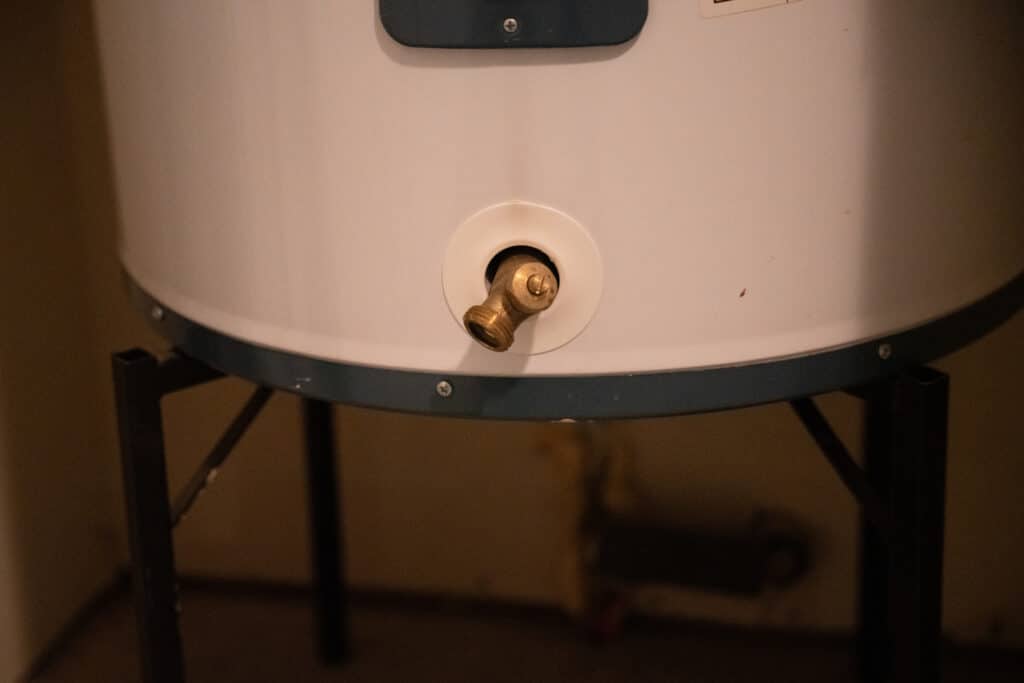
Key Takeaways About Water Heater Flushing
Water heater flushing is the process of removing sediment and mineral buildup from a tank to restore heat transfer. This summary helps homeowners and property managers decide when to call a pro and why it matters before failures occur.
- Identify rumbling noises cloudy hot water and shortened recovery time
- Prevent heat loss and element burnout by removing settled sediment
- Avoid emergency replacement by scheduling regular professional inspections
- Spot corrosion signs by checking the anode rod and drained water
- Reduce frequency of flushing with water treatment or filtration
- Plan service intervals based on water hardness household size and tank condition
Introduction
Sediment buildup inside tank water heaters reduces efficiency and shortens tank life, and many homeowners only notice the problem after hot water becomes scarce. Sediment sits on the tank bottom and traps heat, causing the burner or heating element to work harder and last for fewer years. In places like Germantown, MD, where older homes often keep original plumbing, the issue can show up more often. Recognizing the real cost of ignored sediment helps explain why professionals recommend regular flushing.
Flushing removes mineral deposits and loose scale that cause rumbling noises, uneven heating, and discolored water at the tap. Those sounds and cloudy hot water are common homeowner observations that often point to a sediment problem rather than a failed thermostat. A trained technician inspects the drain valve, pressure relief valve, and anode rod for signs of heavy buildup when diagnosing a tank. Clear communication about symptoms speeds diagnosis and helps prioritize service.
Manufacturers such as Rheem, A. O. Smith, and Bradford White provide different component layouts that affect how pros approach flushing and inspection. Technicians adjust their steps depending on valve access, anode designs, and whether the unit has a drain pan or external fittings. The physical differences do not change why flushing matters but they do change how a pro confirms the tank condition. Proper diagnosis often includes visual checks, pressure readings, and looking inside the drain line for residue.
Homeowners in Rockville, MD who notice shorter hot showers or new noises should consider a professional inspection before the heater fails completely. A qualified plumber can recommend flushing intervals based on water hardness, household size, and the heater model. If safety risks exist like gas odors or visible leaks, call a professional immediately rather than attempting any work yourself. Scheduling maintenance when early signs appear helps avoid emergency replacements and preserves your water heater lifespan.
What Sediment Buildup Is And Why It Happens
Sediment buildup is compacted mineral and rust particles that settle at the bottom of a tank water heater.
- Mineral scale from hard water
- Loose rust from corroding tank walls
- Sand or grit from supply lines
- Degraded anode rod fragments
Sediment forms when dissolved minerals drop out as water heats and then sink because they are heavier than water. Homeowners often ask whether discolored hot water always means sediment, and the answer is usually yes when only hot taps are affected. A professional will check the drain valve flow and sample drained water to confirm mineral or rusty residue is present. Visible grit or brownish particles in drained water signal sediment rather than simple pipe staining.
Sediment concentrates where heat is highest and where flow is lowest inside the tank. Over time, trapped particles raise the tank bottom temperature and force burners or elements to cycle longer. Technicians use a pressure gauge and inspect the drain line and temperature-pressure relief valve for signs of particulate buildup during diagnosis. If a pro finds heavy deposits, they may remove the anode rod to look for metal fragments and to better assess corrosion.
Homeowners in Germantown, MD may notice rumbling noises or reduced hot water volume because sediment reduces effective tank capacity. In Rockville, MD properties, older plumbing and supply pipe deterioration can add more particulate that speeds accumulation. Regular checks of hot water clarity and listening for new noises help catch sediment early. For guidance on professional flushing services, see this resource on water heater flushing.
How Water Heater Flushing Protects Tank Lifespan
Flushing removes settled particles that sit at the tank bottom and reduces the insulating layer that traps heat against the tank. A professional directs flow through the drain valve while monitoring outlet clarity until mostly clear water runs, which demonstrates effective removal. Technicians often attach a hose to the drain and flush until the water runs clean, then briefly agitate the tank by introducing short bursts of supply water to loosen stubborn deposits. This process lowers burner or element run-times and prevents hotspots that cause early tank failure.
Beyond removing loose sediment, pros inspect and test components during flushing to confirm tank health and lifespan risks. They check the drain valve for clogging, test the pressure-reducing valve if present, and operate the temperature-pressure relief valve to ensure it seats properly after debris is cleared. A visible sample of drained water helps determine if corrosion is active or if the anode rod is shedding material. These checks let the technician recommend repairs or a replacement schedule rather than just a single service call.
Flushing also helps prevent element burnout in electric tanks and flame impingement in gas models by restoring normal heat transfer at the tank bottom. For electric units, techs may remove and inspect one heating element if heating problems persist after a flush to check for brittle scale. On gas models they watch the burner flame pattern and clean the combustion area if soot or particulates appear during draining. When parts like the anode rod show heavy degradation a professional will document findings and explain long-term effects on tank life.
Professionals use specific tools and measures to confirm flushing success and to diagnose remaining issues for homeowners. They use a pressure gauge to confirm inlet pressure, inspect the drain hose for particulate discharge, and record whether discharged water clears within a set volume or time. For homeowners in Germantown, MD, and Rockville, MD, this evidence-based approach helps decide whether more frequent flushing or additional treatments like water softening are needed. For guidance on routine inspections and maintenance planning, see the detailed resource on water heater maintenance.

Common Causes Of Rapid Sediment Accumulation
Hard water chemistry is a common cause of quick sediment buildup because minerals precipitate faster when water cycles through heating. High mineral load near the supply can leave gritty deposits that collect under the heating element or burner. A technician will note rapid scale when drained water shows dense cloudy particles that resettle quickly. Homeowners in Germantown, MD often spot this when hot water becomes sandy at the tap after short periods.
Rust from internal corrosion also accelerates sediment when the tank lining degrades or anode protection fails early. Flaking iron produces reddish-brown particles that mix with mineral scale and settle at the bottom of the tank. A pro diagnosing the issue inspects the anode rod and may remove it to look for pitting or metal fragments. If corrosion appears advanced, the technician may recommend more than a flush and discuss repair options.
Supply-line debris and construction residue can introduce sand, pipe scale, or welding slag that settles quickly in the tank. Homes with recent plumbing work or older galvanized pipes sometimes see more foreign particles entering the heater. A professional will check the inlet shutoff, inlet screen, and pressure-reducing valve for trapped grit during diagnosis. Addressing the source prevents repeat accumulation after a flush is performed.
Mechanical failures such as a failing dip tube or malfunctioning mixing valve change circulation patterns and let particles settle faster near the bottom. When flow patterns slow, particles no longer stay suspended and compact into heavier sediment layers. A plumber confirms this by testing inlet flow, checking the dip tube, and observing how quickly drained water clears. For repair or service options after diagnosis, refer to the company’s water heater repair services.
Signs Your Water Heater Needs Immediate Service
Cold spots in long showers or sudden loss of hot water often signal trapped sediment restricting usable tank capacity. Visible rusty or sandy discharge from a drained hose is another clear sign professionals watch for during diagnosis. A pro will check the drain valve, anode rod condition, and inlet flow to confirm sediment is the cause. If you notice these cues, prepare for a service visit that may include more than a simple flush.
- Loud rumbling or popping from the tank
- Cloudy or brownish hot water at taps
- Short cycling of the burner or element
- Slow recovery after heavy hot water use
New or worsening odors from hot water can point to bacterial growth or decaying anode material, both requiring inspection. A technician performs a sample drain and may measure outlet clarity and pressure to confirm the problem. If sediment has compacted around heating elements, the pro may need to remove an element for direct inspection. These steps help determine whether flushing alone will restore function.
Leaks at the tank base or corrosion visible near fittings indicate urgent attention and possible replacement needs, not just flushing. During a diagnostic visit, a plumber may test the temperature-pressure relief valve and record pressure gauge readings to assess tank integrity. If metal flakes appear when the anode rod is removed, the tank wall could be corroding internally. Documented findings often guide the recommendation for repair or replacement versus continued maintenance.
When sediment buildup happens quickly after a recent service or plumbing change, the source may be supply-line debris or a damaged dip tube. In that case, a technician will inspect the inlet shutoff, inlet screen, and dip tube alignment to stop recontamination. Homeowners in Germantown, MD and Rockville, MD should note timing and any recent plumbing work before the service call. For repair options and follow-up work, consider checking the company’s water heater repair resource at water heater repair.
When To Call A Professional For Water Heater Flushing
Call a professional when you detect complex symptoms beyond simple flushing, such as loss of tank capacity combined with visible corrosion signs near fittings. A licensed plumber will run tests like measuring inlet pressure, operating the T&P valve, and sampling drained water for particle density. They can also inspect internal components such as the anode rod and dip tube to determine if flushing alone will help or if replacement is needed. For safety risks like gas smell, active leaks, or electrical faults, stop using the heater and call a pro immediately.
Schedule a professional when repeated DIY flushes fail to clear cloudy or gritty discharge after several cycles or when noises return quickly after service. The technician may use a longer controlled flush, introduce short supply bursts to agitate compacted sediment, and then document clarity improvements with photos or notes. They will assess related components including the drain valve, pressure-reducing valve, and mixing valve to prevent recurrence. If sediment is linked to corrosion, the pro will advise whether repair or replacement offers better long-term value.
Call for professional help before major usage periods, such as winter, if you notice reduced recovery or inconsistent hot water delivery during routine checks. A plumber can perform diagnostics including element removal on electric heaters or burner inspection on gas units to find hidden scale or flame impingement. They may also recommend water treatment options or a schedule change based on measured outlet clarity and household hot water demand. Homeowners in Germantown, MD sometimes delay professional service until an emergency, which raises costs and downtime.
Bring in a pro when tank leaks appear at seams or the base, when the anode rod sheds metal fragments, or when the temperature control behaves erratically after flushing. Technicians use tools like pressure gauges and visual inspection to confirm tank wall integrity and to decide if the tank must be replaced. If the technician suspects a failing unit, they will explain repair versus replacement options and document findings for future reference. For signs that point toward replacement rather than maintenance, consult the water heater repair resource linked to common failure indications.

Step By Step Homeowner Flush Procedure And Checks
Turn off the power or gas supply to the heater before starting and shut the cold-water supply at the shutoff valve. Attach a garden hose to the drain valve and route it outdoors or to a floor drain that can safely handle hot, mineral-laden water. Open a hot faucet at a nearby sink to break vacuum and help the tank drain more freely while you slowly open the drain valve. If the drain flow is weak, a professional may need to check the valve or use a different access method.
Once water flows, watch the drained stream for color and grit, and briefly open the cold inlet to agitate settled material. Stop and restart inlet flow in short bursts to loosen compacted sediment without overpressurizing the hose connection. After several minutes, the discharged water should clear and run mostly free of particles, indicating significant sediment removal. If the water stays cloudy or brown, pause and call a technician for a deeper service check.
After flushing, carefully close the drain valve, remove the hose, and refill the tank by opening the cold inlet while the hot tap stays open to vent air. Listen for steady water flow at the vented tap and watch the pressure-reducing valve or inlet for signs of leakage. Restore power or relight the gas appliance only after the tank is fully refilled and the burner area or elements are inspected. If you smell gas, see active leaks, or the burner flame looks abnormal, shut off gas and call a licensed plumber or utility immediately.
Check the drain valve for leaks and consider replacing a leaky or plastic valve with a more durable brass valve from a brand like Watts or Sioux Chief. Inspect the T&P valve for proper operation by lifting its test lever briefly and watching for a solid flow, then seating it again to ensure no drip persists. Record observations like water color, presence of grit, or valve behavior to show a professional during follow-up service. Homeowners in Germantown, MD and Rockville, MD should share these notes when scheduling maintenance through the company resource on what water heater repair and maintenance do I need.
Manufacturer Notes For Rheem A O Smith Bradford White
Manufacturers differ on access and recommended inspection points, so a professional follows each brand’s guidance when flushing and evaluating a tank. Rheem, A. O. Smith, and Bradford White units often have different anode styles and drain valve locations that affect how a tech approaches removal and inspection. A trained plumber will note valve condition, anode wear, and any unusual fittings before deciding on an aggressive flush or a gentler rinse. These brand-specific checks help prevent damage when working on older or warranty-sensitive models.
- Check the anode rod condition first.
- Inspect the drain valve for clogs or leaks.
- Verify T&P valve operation after flushing.
- Record water clarity and particulate sample.
For Rheem models, technicians often find the anode rod and drain valve positioned for straightforward access, which can speed diagnosis and flushing. On Rheem tanks, plumbers pay particular attention to the anode’s attachment and any signs of metal flaking that indicate internal corrosion. If removal is difficult, a pro may use socket tools from brands like Milwaukee Tool or a corrosion-penetrating technique to avoid breaking the rod. Documentation of the anode condition helps homeowners decide on continued maintenance or replacement planning.
A. O. Smith units sometimes use different anode materials and may require specific torque or sealing practices when reinstalling components. A professional confirms proper sealing around the anode and nearby fittings to prevent leaks after service. Technicians also check for any manufacturer-installed inlet screens or sediment traps and clear them carefully during a flush. These steps reduce the chance of reintroducing debris into the tank after service.
Bradford White tanks can include unique fitting layouts and occasionally factory-installed drain arrangements that change how a pro attaches hoses or agitates sediment. Plumbers verify that the drain connection and any supplied adapter are intact before starting a high-flow flush. If tank condition or component failures suggest replacement rather than repair, a technician will point out observed failures alongside documented evidence. Homeowners in Germantown, MD and Rockville, MD should keep notes and photos, and consult guidance about when the unit needs replacement on the company page about water heater needs replacement.
Preventive Maintenance Intervals And Water Quality Tips
Establishing a preventive schedule depends on water hardness, household size, and observed sediment rate rather than a fixed calendar alone. Many pros recommend a basic water heater flushing once every 6 to 12 months for homes with hard water, while softer supplies may need flushing every 12 to 24 months. A technician diagnosing the interval will measure outlet clarity during a flush and note how quickly particles return to set a custom plan. If you keep records, a plumber can compare past drain samples, photos, and component wear to adjust the schedule accurately.
Water quality treatments reduce how often you must flush and protect heater components like anode rods and heating elements. For example, installing a salt-based water softener or a scale-reduction device affects mineral precipitation and often extends recommended intervals between professional flushes. A pro will inspect supply-side screens, the pressure-reducing valve, and any sediment traps during maintenance to catch sources of grit. Homeowners sometimes pair flushing with anode rod replacement to slow internal corrosion and preserve tank life.
Routine checks between full services help catch problems early without a full flush each time and they can include simple homeowner tasks backed by a professional’s advice. Check the drain valve operation, run a short drain to look for fresh grit, and lift the T&P valve lever once a year for a brief operation test. If any component shows leaks or the drain water remains brown after these checks, call a technician for a deeper inspection. When professionals evaluate recurring sediment issues, they may recommend whole-house filtration or targeted inlet work to stop recontamination.
Professionals tailor intervals for Rheem, A. O. Smith, and Bradford White units based on access and component condition, so brand-specific layout affects how often a technician flushes thoroughly. In homes with known hard water, discuss combining flushing with water treatment to reduce frequency and improve heater efficiency long term. Homeowners in Germantown, MD should document any changes after treatment installation and report them during service visits to refine maintenance timing. For more details on how mineral content changes heater performance, refer to the company resource about how hard water affects water heaters and how professional water heater repair can help.
Frequently Asked Questions
How does water heater flushing prevent rumbling noises?
Sediment collects on the tank bottom and traps heat, causing pockets of water to flash to steam and make rumbling noises. Water heater flushing loosens and removes that sediment so heat transfers evenly and steam pockets stop forming. A technician will warn that flushing a very hot or corroded tank can be risky and recommend shutting power or gas and draining safely. If you hear persistent rumbling, contact a professional to inspect the drain valve, anode rod, and tank condition before further work.
When should I call a pro for a water heater flush?
Call a pro for water heater flushing when you notice rumbling noises, rusty-looking hot water, or slower recovery times. If you see cloudy sediment in the drain hose or repeated pilot light outages, schedule service promptly. Technicians will inspect the drain valve, anode rod, and temperature-pressure valve to confirm heavy sediment and corrosion. Exercise caution with hot drains and electrical or gas connections and hire a licensed plumber for safe flushing and testing.
What visible signs show heavy sediment inside a tank?
You may notice loud rumbling or popping as heat moves through sediment-filled water heater tanks. Hot water can look cloudy or carry brown, gritty particles that leave residue in faucets. The tank’s lower area can show rust stains or a bulging anode rod setback during inspection, which suggests heavy sediment. If you see these signs or smell rotten-egg gas, stop using the heater and call a professional because it can be hazardous.
How do technicians diagnose sediment buildup during service?
Technicians start by noting owner complaints like reduced hot water, strange noises, or longer heat times during a service call. They inspect the tank exterior, shutoff valve, drain valve, and relief valve for leaks, corrosion, or mineral crust. A pro will briefly open the drain and check the flush water for sand-like particles and discolored output to confirm sediment. If they see heavy buildup or suspect safety issues, they caution homeowners and recommend a professional flush or further repair.
How often should Rheem, A. O. Smith, or Bradford White tanks be flushed?
Most manufacturers, including Rheem, A. O. Smith, and Bradford White, recommend flushing tank water heaters at least once a year. Homes with hard water or visible sediment may need flushing every six months to prevent noise and heating loss. A professional will inspect the drain valve, sacrificial anode, and tank condition during a service call and confirm flushing frequency. If you smell rotten eggs, see rusty water, or suspect damage, avoid DIY work and contact a licensed plumber for safety.