


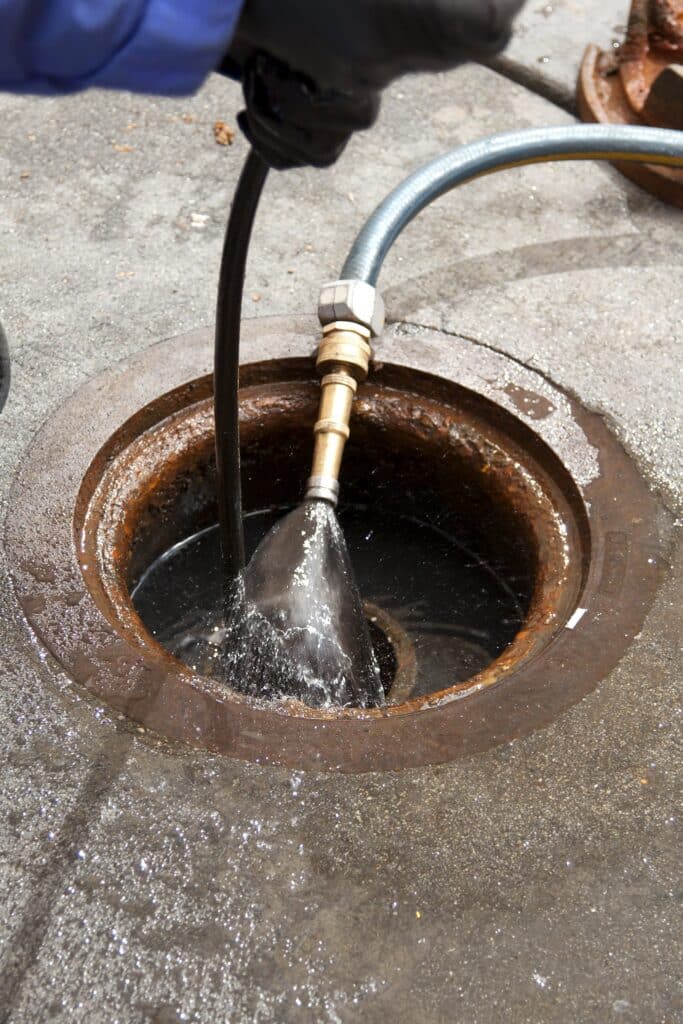
Ensuring the integrity of your plumbing system is essential for any property owner. Hydrostatic testing is a reliable method used to check for leaks and weaknesses in pipes. This process is especially important in areas like Clarksburg, MD, where older homes may have aging plumbing systems. Homeowners in Bethesda, MD, and Boyds, MD, also benefit from understanding how this testing works.
Hydrostatic testing involves filling the plumbing pipes with water and pressurizing them to detect any drops in pressure. This method quickly reveals leaks or weak spots that could cause future problems. Professionals rely on brands like Milwaukee and RIDGID for accurate and dependable testing equipment. Choosing the right tools ensures the results are trustworthy and clear.
Understanding when to schedule hydrostatic testing is crucial for maintaining a safe and efficient plumbing system. Many property owners schedule these tests during renovations, after repairs, or before purchasing a new home. Plumbing codes in Maryland often require proof of pipe integrity, making this process even more vital. Staying proactive helps prevent costly water damage and unexpected repairs.
Hydrostatic testing not only safeguards your property but also provides peace of mind. Knowing your plumbing system is secure allows you to focus on daily life without worry. By working with experienced professionals, you ensure the job is done right the first time. This approach supports long-term durability and compliance with local plumbing standards.
Understanding Plumbing Pipe Integrity
Plumbing pipe integrity is the foundation of a reliable water system in any home or business. Over time, pipes can develop small cracks, corrosion, or loose fittings that compromise performance. Hydrostatic testing is a proven way to identify these issues before they become major problems. In Bethesda, MD, many older properties benefit from this proactive approach to plumbing maintenance.
Hydrostatic testing works by filling the pipes with water and applying pressure above normal operating levels. If pressure remains steady, the pipes are sound; if it drops, there may be a hidden leak or defect. This method is especially helpful after major repairs or when updating plumbing fixtures from brands like Moen or Kohler. Accurate results guide homeowners in making informed decisions about repairs or replacements.
Understanding the condition of your pipes helps prevent water damage and costly emergencies. In Boyds, MD, property owners often request hydrostatic testing during property sales or renovations. Regular testing also ensures compliance with local plumbing codes and standards. By detecting issues early, you protect your investment and avoid unexpected disruptions.
Professional plumbers use trusted equipment from brands like RIDGID and Milwaukee to conduct hydrostatic testing safely and efficiently. These tools provide precise readings that help confirm the integrity of your plumbing system. Reliable test results give you confidence in the safety of your water supply. Taking this step supports long-term performance and peace of mind for any property owner.

What is Hydrostatic Testing?
Hydrostatic testing is a process that checks the strength and leak-resistance of plumbing pipes using water and pressure. Technicians fill the pipes with water and then use specialized equipment to increase the internal pressure. Tools from trusted brands like RIDGID and Milwaukee Tool help ensure accurate and reliable measurements during this step. The goal is to confirm that the pipes can handle regular water flow without leaking or failing.
This testing method is especially valuable for older homes in Bethesda, MD, where hidden pipe damage can go unnoticed for years. By pressurizing the system, even small cracks or loose joints become apparent through pressure drops or visible leaks. Hydrostatic testing gives property owners clear evidence of pipe integrity before making major decisions. It also supports compliance with local plumbing codes and standards.
In Boyds, MD, hydrostatic testing is often part of property inspections or major renovations. The process is straightforward yet thorough, providing peace of mind for both buyers and sellers. Professional plumbers use equipment from brands like Ferguson and Milwaukee to monitor pressure levels throughout the test. Consistent pressure readings mean the plumbing system is secure and ready for daily use.
If a pressure drop occurs during hydrostatic testing, it signals a leak or weakness that needs attention. Plumbers then investigate the source and recommend targeted repairs or replacements. This proactive approach helps prevent water damage and costly emergencies down the line. Regular testing ensures your plumbing system remains safe, efficient, and fully compliant with Maryland codes.
When Should You Perform Hydrostatic Testing?
Hydrostatic testing should be performed during several key moments in a property’s life cycle. Homeowners in Bethesda, MD, often schedule this test before buying or selling a home to confirm pipe reliability. Testing is also wise after major plumbing repairs or renovations to ensure new connections are leak-free. This approach helps avoid future water damage and supports code compliance.
Routine hydrostatic testing is valuable for older homes, especially in areas like Boyds, MD, where plumbing systems may show signs of wear. Annual or biennial testing can catch minor issues before they become expensive problems. Many property owners include it as part of regular maintenance to extend the life of their pipes. Early detection reduces the risk of emergencies and unexpected repairs.
After natural disasters or significant events, hydrostatic testing provides reassurance that the plumbing system remains intact. Heavy storms, flooding, or ground movement can stress underground pipes and cause hidden leaks. Testing after such events gives property owners peace of mind and helps maintain a safe environment. Reliable results from equipment by Milwaukee Tool or RIDGID support accurate assessments.
Hydrostatic testing is also recommended when upgrading fixtures from brands like Moen, Kohler, or American Standard. New installations may affect existing pipes, so confirming integrity ensures everything works as intended. Professional plumbers use trusted tools from Ferguson or Home Depot for precise readings. Regular testing keeps your plumbing system efficient, safe, and in line with Maryland’s plumbing codes.

Preparing for a Hydrostatic Testing Procedure
Preparing for hydrostatic testing starts with a thorough inspection of your plumbing system. Professional plumbers in Clarksburg, MD, will check for visible damage or loose fittings before beginning the process. This step ensures the pipes are ready to be filled and pressurized safely. Proper preparation helps achieve accurate results and prevents unnecessary complications.
All water supply valves are shut off, and the plumbing lines are drained before filling them with water. Technicians often use equipment from Milwaukee or RIDGID to ensure precise control during the test. Air pockets are carefully removed from the pipes to avoid false readings. This attention to detail supports a smooth and reliable hydrostatic testing procedure.
During setup, plumbers seal all pipe openings using fittings from trusted brands like Oatey or Charlotte Pipe. This creates a closed system, allowing accurate pressure measurement throughout the test. In Bethesda, MD, this step is especially important for older homes with complex plumbing layouts. Secure seals help prevent leaks and ensure valid test results.
Once everything is sealed, the pipes are filled with water and pressurized to the required level. Technicians monitor pressure using gauges from Ferguson or Milwaukee Tool for consistent accuracy. In Boyds, MD, this careful monitoring helps catch even the smallest leaks. Completing these steps ensures your hydrostatic testing delivers dependable results and supports long-term plumbing integrity.
Setting Up the Hydrostatic Test
Setting up a hydrostatic test begins with isolating the section of plumbing you want to evaluate. Plumbers use shut-off valves and fittings from brands like SharkBite or Oatey to create a secure, closed system. All water outlets and drains are sealed to prevent leaks during the test. This careful setup helps ensure reliable hydrostatic testing results.
Once the system is sealed, the pipes are slowly filled with water from a clean source. Technicians use equipment from Milwaukee or RIDGID to monitor the water level and remove any trapped air. Air pockets can cause inaccurate readings, so this step is essential for a valid test. Consistent water pressure throughout the system is a key indicator of proper preparation.
After filling, pressure is gradually applied to the pipes using specialized pumps and gauges from Ferguson or Milwaukee Tool. The pressure is increased to a level specified by local plumbing codes in places like Bethesda, MD. Technicians closely watch the gauges for any drops in pressure that could signal a hidden leak. Maintaining steady pressure confirms the system’s integrity during hydrostatic testing.
Throughout the process, safety remains a top priority for both technicians and property owners. In Boyds, MD, experienced plumbers follow strict procedures to protect your home and plumbing system. Careful monitoring and the use of quality tools from Home Depot or RIDGID ensure accurate results. This attention to detail helps provide peace of mind and supports long-term plumbing reliability.
How to Read Hydrostatic Testing Results
Reading hydrostatic testing results requires careful attention to the pressure gauge throughout the test duration. A steady pressure reading indicates the plumbing system is free from leaks and structurally sound. If the pressure drops, even slightly, it suggests a hidden leak or weak spot needing repair. Technicians in Clarksburg, MD, rely on equipment from Milwaukee or RIDGID for accurate and reliable readings.
During the test, plumbers record the initial pressure and monitor it for a set period, usually dictated by local plumbing codes. In Bethesda, MD, a consistent pressure level throughout the test confirms the pipes meet code requirements and are safe for use. If a drop occurs, the technician will inspect the system to locate the exact source of the leak. Quick identification allows for targeted repairs, minimizing disruption and potential water damage.
Hydrostatic testing results are documented and shared with property owners for reference and future maintenance planning. In Boyds, MD, this documentation is especially helpful during property sales or after major renovations. Clear records demonstrate that the plumbing system passed inspection and meets all local standards. This transparency provides peace of mind to both current and future owners.
Professional plumbers use trusted brands like Ferguson and Milwaukee Tool to ensure every reading is precise and trustworthy. Consistent monitoring during hydrostatic testing helps catch even the smallest issues before they escalate. Accurate results support long-term plumbing integrity and compliance with Maryland codes. Relying on skilled technicians and quality tools ensures your property remains protected and up to standard.
Common Issues Detected by Hydrostatic Testing
Hydrostatic testing often uncovers hidden leaks that might otherwise go unnoticed in everyday use. Small cracks in pipes, loose fittings, or deteriorated seals are common issues found during these tests. In Bethesda, MD, older homes frequently show signs of corrosion or weakened joints that only become evident under pressurized conditions. Identifying these problems early prevents more serious water damage and structural concerns.
Another frequent issue revealed by hydrostatic testing is pipe corrosion, especially in systems with aging metal pipes. Corroded areas may not leak under normal pressure but can fail during testing. In Boyds, MD, this is a typical concern for properties with original plumbing. Addressing corrosion promptly helps extend the lifespan of your plumbing system and ensures safe water delivery.
Hydrostatic testing can also expose faulty repairs or improper pipe installations. Pipes that were not joined correctly or sealed with quality fittings like those from Oatey or Charlotte Pipe may leak when pressurized. Technicians spot these weaknesses quickly, allowing for immediate correction. This ensures your plumbing meets local code requirements and functions reliably.
In some cases, hydrostatic testing detects blockages or partial obstructions within the pipes. Accumulated debris or mineral buildup can restrict water flow and create pressure imbalances. By identifying these blockages, plumbers can recommend targeted cleaning or replacement. Regular testing keeps your system running smoothly and supports long-term plumbing integrity.
Plumbing Codes and Hydrostatic Testing Compliance
Hydrostatic testing must meet strict plumbing code requirements to ensure safety and reliability. In Bethesda, MD, local codes specify the test pressure and duration for residential and commercial properties. Technicians use gauges from trusted brands like Milwaukee and Ferguson to verify that all readings align with these standards. Compliance with these codes protects property owners from future liability and ensures lasting pipe performance.
Plumbing codes in Boyds, MD, also require detailed documentation of hydrostatic testing results. Professional plumbers record the initial and final pressure readings, noting any changes during the test period. This documentation is essential for passing inspections and future reference during property sales or renovations. Accurate records help demonstrate that the plumbing system meets all legal and safety requirements.
Adhering to code requirements during hydrostatic testing supports both immediate and long-term plumbing integrity. Technicians follow established protocols for sealing, filling, and pressurizing the system. Using approved fittings from brands like Charlotte Pipe and Oatey ensures every connection meets code. This attention to detail guarantees that all repairs or new installations are code-compliant and safe.
Regular hydrostatic testing helps property owners stay ahead of potential code violations. By scheduling routine tests, you maintain compliance and avoid costly penalties or delays. Professional plumbers in Clarksburg, MD, stay updated on the latest regulations to provide accurate, reliable service. This proactive approach keeps your plumbing system efficient, safe, and fully code-compliant year after year.
Frequently Asked Questions
What is hydrostatic testing in plumbing?
Hydrostatic testing in plumbing involves filling pipes with water and pressurizing them to check for leaks or weaknesses. This method helps ensure the entire plumbing system can safely handle normal operating pressures. Professionals often use reliable equipment from brands like Milwaukee or RIDGID for accurate results. By confirming pipe integrity, hydrostatic testing supports code compliance and long-term plumbing performance.
How does hydrostatic testing confirm pipe integrity?
Hydrostatic testing confirms pipe integrity by pressurizing the plumbing system with water and monitoring for pressure drops. If the pressure remains steady, the pipes are free from leaks or weak spots. Any loss of pressure signals a potential issue that needs attention. This process ensures the plumbing meets safety standards and performs reliably over time.
When should plumbing pipes be hydrostatically tested?
Plumbing pipes should undergo hydrostatic testing during new installations, major repairs, or before code inspections to ensure safety. This process is also vital after renovations or when leaks are suspected in existing systems. Regular hydrostatic testing helps maintain plumbing integrity and prevents costly water damage over time. Local codes in Clarksburg, MD, often require this test to confirm compliance before final project approval.
What equipment is needed for hydrostatic testing?
Hydrostatic testing requires a pressure test pump, durable hoses, and accurate pressure gauges to monitor the system. Many professionals rely on trusted brands like Milwaukee Tool or RIDGID for reliable performance and precise readings. Plumbers also use compatible fittings and adapters from brands such as Charlotte Pipe or Watts to connect the equipment securely. This setup ensures accurate hydrostatic testing and helps confirm plumbing integrity before final project approval.
Can hydrostatic testing detect all types of leaks?
Hydrostatic testing is highly effective at finding most leaks, but it may not detect very small or slow leaks right away. While this method identifies pressure drops caused by larger leaks, pinpointing minor seepage sometimes requires additional inspection. Professional plumbers in Clarksburg, MD, often use hydrostatic testing as the first step before exploring further with specialized tools. By combining hydrostatic testing with other diagnostic techniques, you can ensure your plumbing system stays secure and reliable.